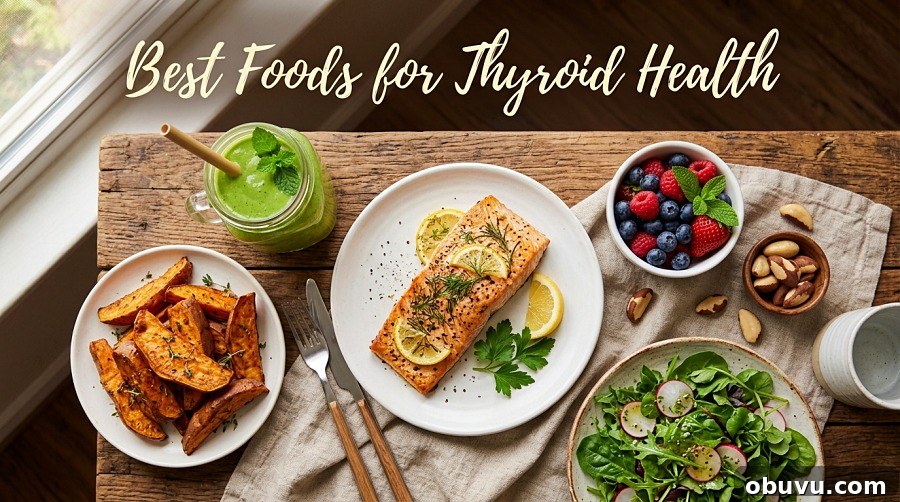
I never paid much attention to my thyroid until a routine blood test a few years ago showed numbers my doctor wanted to discuss. If you’re reading this, you may have had a similar experience or you simply want to eat more intentionally to support every part of your body — including that small, butterfly-shaped gland at the base of your neck. Either way, I’m glad you’re here.
What surprised me most is that food really can make a difference for thyroid health. It’s not that any single “superfood” will cure everything, but certain nutrients are essential for thyroid function and some foods can interfere. Once I learned which nutrients matter, I stopped thinking about restrictive “thyroid diets” and started focusing on adding nutrient-dense foods and limiting things that can get in the way.
I spent months researching, testing recipes, and figuring out how to serve thyroid-supporting foods my family actually enjoys. The result: eating for thyroid health can be simple, balanced, and delicious. Below I’ll explain what the thyroid does, the key nutrients it needs, the best foods to include, what to limit, and share practical recipes you can make any night of the week.
Table of Contents
What Is the Thyroid and Why It Matters
The thyroid is a small, butterfly-shaped gland at the base of your neck that produces hormones called T3 (triiodothyronine) and T4 (thyroxine). Those hormones act like a gas pedal for your metabolism, influencing how your body converts food into energy. Thyroid hormones affect heart rate, body temperature, digestion, mood, and sleep. When the gland works well you likely don’t notice it, but when it’s overactive or underactive, the effects touch nearly every system in your body.
Thyroid conditions are common, and many people—especially women—are affected. The thyroid needs specific nutrients to make hormones properly: iodine, selenium, zinc, iron, vitamin D, and vitamin B12. Without enough of these, the gland can’t function optimally. The good news is that most of these nutrients can be obtained from everyday foods.
Key Nutrients for Thyroid Health
Understanding the nutrients behind thyroid function helps make food choices more meaningful. Here’s a concise breakdown of the essentials and why they matter.
Iodine
Iodine is the most important nutrient for thyroid hormone production. The gland uses iodine to make T3 and T4. Good sources include seaweed, iodized salt, dairy, fish, and shrimp. The daily recommended intake for most adults is about 150 micrograms. Too much iodine can be harmful, so balance intake—especially with concentrated seaweed or kelp supplements.
Selenium
Selenium helps convert inactive T4 into active T3 and protects the thyroid from oxidative damage. Brazil nuts are the easiest way to get selenium—one or two nuts a day typically meets your needs. Other sources include tuna, sardines, turkey, chicken, and brown rice. Adults generally need about 55 micrograms daily.
Zinc
Zinc supports hormone conversion and helps regulate TSH (thyroid-stimulating hormone). Good sources are oysters, beef, chicken, pumpkin seeds, lentils, and chickpeas. Daily recommendations are around 8 mg for women and 11 mg for men.
Iron
Iron is required for the enzyme that converts T4 to T3. Iron deficiency is common, especially among women, and can impair thyroid function and medication effectiveness. Red meat offers highly bioavailable iron; plant sources include spinach, lentils, and fortified cereals—pair plant iron with vitamin C to improve absorption.
Vitamin D and B12
Vitamin D deficiency is linked to autoimmune thyroid conditions, and B12 deficiency can worsen fatigue in people with hypothyroidism. Sources include fatty fish, egg yolks, fortified dairy for vitamin D, and eggs, fish, meat, and dairy for B12. Testing and supplementation may be necessary if levels are low.
Best Foods for Thyroid Health
Below are foods I keep on hand for thyroid support, why they matter, and simple ways I use them.
Brazil nuts
One to two Brazil nuts daily supplies your selenium requirement. They’re a quick, satisfying snack and one of the easiest thyroid-supporting habits to adopt.
Fatty fish (salmon, sardines, tuna)
Fatty fish provide omega-3s, iodine, selenium, and vitamin D. Aim for at least two servings per week—salmon is versatile and mild, while sardines and tuna are nutrient-dense choices as well.
Eggs
Egg yolks contain iodine, selenium, B12, and vitamin D. Eggs are affordable, quick to make, and easy to include at any meal.
Yogurt and dairy
Plain yogurt provides iodine and probiotics that support gut health, which is linked to thyroid function. Use Greek yogurt in smoothies, sauces, or as a topping for fruit.
Leafy greens (spinach, kale, Swiss chard)
Leafy greens supply iron, magnesium, and antioxidants. Cook cruciferous greens like kale and broccoli to reduce goitrogens and keep them thyroid-friendly.
Sweet potatoes and carrots
These vegetables are rich in vitamin A (beta carotene) and fiber, supporting thyroid hormone production and overall health.
Seaweed
Nori, wakame, and kelp are concentrated iodine sources. Use them sparingly and be mindful of portion sizes to avoid excess iodine.
Berries
Berries are rich in antioxidants that reduce inflammation and protect the thyroid from oxidative stress, plus they’re easy to enjoy fresh or frozen.
Lean beef and poultry
Lean beef and poultry provide zinc and iron. Choose grass-fed or pasture-raised when possible, but regular cuts also support thyroid needs.
Recipe: Brazil Nut and Date Energy Bites
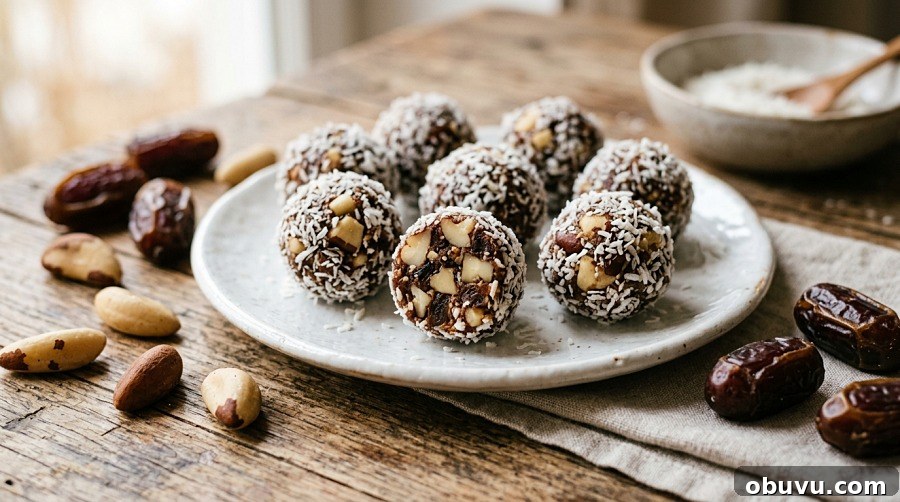
These bites are a favorite afternoon snack—rich in selenium, healthy fats, and fiber. No baking required.
Prep time: 10 minutes | Cook time: 0 minutes (chill 30 minutes) | Servings: 12 bites
Ingredients:
- 1 cup pitted dates (soak if dry)
- 1/2 cup Brazil nuts, roughly chopped
- 1/2 cup rolled oats
- 1/4 cup unsweetened shredded coconut plus extra for rolling
- 2 tablespoons chia seeds
- 1 tablespoon honey or maple syrup
- 1/2 teaspoon vanilla extract
- Pinch of sea salt
Instructions:
- Pulse dates in a food processor until they form a sticky paste.
- Add Brazil nuts, oats, coconut, chia seeds, honey, vanilla, and salt. Pulse until combined but still textured.
- Roll tablespoon-sized portions into balls; add more honey if too dry.
- Roll in extra coconut and chill at least 30 minutes.
- Store in an airtight container in the fridge for up to one week.
Each bite typically contains about one Brazil nut’s worth of selenium, plus fiber and healthy fats for steady energy.
Recipe: Herb-Crusted Baked Salmon with Roasted Sweet Potatoes
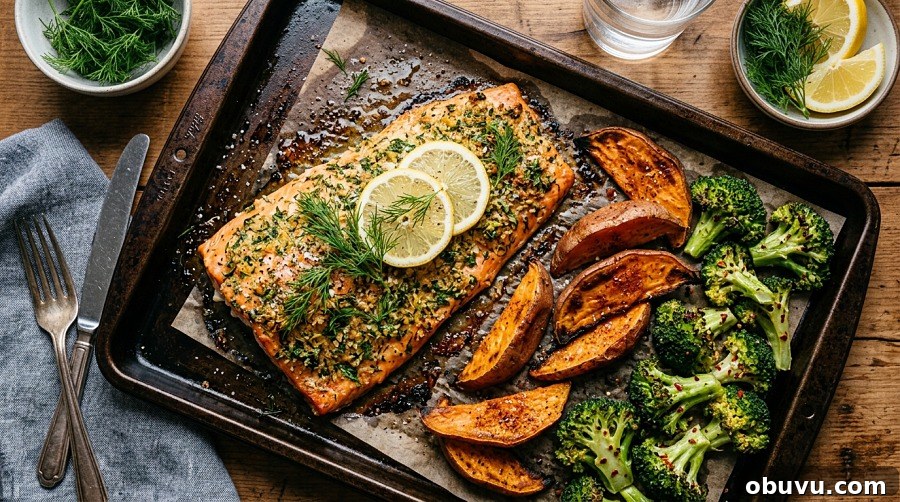
This meal packs omega-3s, vitamin D, selenium, iodine, vitamin A, and fiber into one simple plate.
Prep time: 15 minutes | Cook time: 25 minutes | Servings: 4
Ingredients:
- 4 salmon fillets (about 6 oz each)
- 2 large sweet potatoes, cut into wedges
- 2 tablespoons olive oil, divided
- 2 cloves garlic, minced
- 1 tablespoon fresh dill, chopped (or 1 teaspoon dried)
- 1 tablespoon fresh parsley, chopped
- Zest and juice of 1 lemon
- 1 teaspoon smoked paprika
- Salt and pepper to taste
- Optional: 2 cups broccoli florets
Instructions:
- Preheat oven to 400°F and line a baking sheet with parchment.
- Toss sweet potatoes (and broccoli, if using) with 1 tablespoon olive oil, salt, and pepper; spread on one side of the sheet.
- Mix remaining olive oil with garlic, herbs, lemon zest, juice, and paprika.
- Place salmon on the other side of the sheet, spoon herb mixture over each fillet.
- Bake 20–25 minutes until salmon flakes and sweet potatoes are tender.
- Serve with lemon wedges.
Salmon provides vitamin D and omega-3s for inflammation control and hormone conversion; sweet potatoes add beta carotene for vitamin A.
Thyroid-Boosting Smoothie Recipe
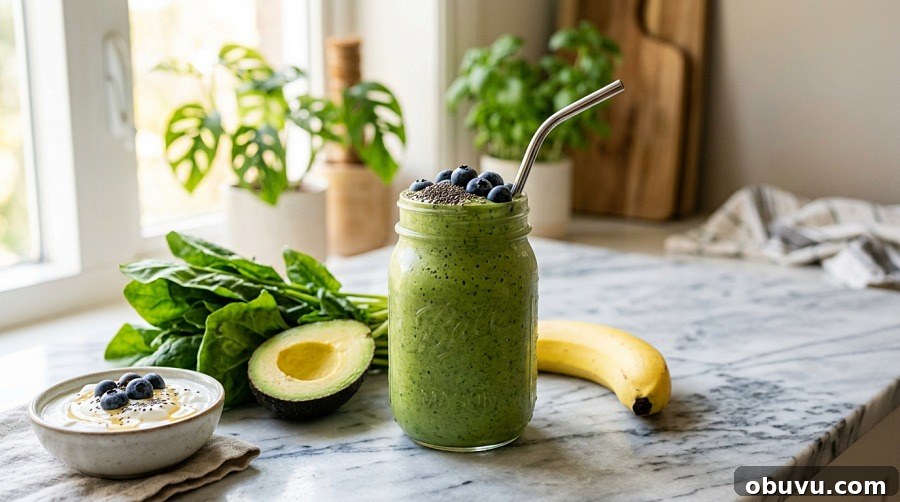
This smoothie is a quick, nutrient-dense morning option that includes iodine, selenium, antioxidants, iron, and healthy fats. If you take thyroid medication in the morning, wait 30–60 minutes before consuming dairy to avoid interference with absorption.
Prep time: 5 minutes | Servings: 1
Ingredients:
- 1 cup fresh spinach
- 1/2 ripe avocado
- 1/2 cup plain Greek yogurt
- 1/2 cup frozen mixed berries
- 1 tablespoon chia seeds
- 1/2 banana
- 1 cup unsweetened almond milk
- 1 teaspoon honey (optional)
Instructions:
- Blend all ingredients until smooth. Add more milk if needed.
- Pour into a glass and enjoy immediately.
Spinach supplies iron and magnesium; Greek yogurt adds iodine and probiotics; chia seeds bring omega-3s and selenium; berries provide antioxidants; avocado supplies healthy fats for absorption of fat-soluble vitamins.
Foods to Avoid or Limit for Thyroid Health
It’s helpful to know which foods can interfere with thyroid function or medication so you can make informed, balanced choices.
Soy Products
Soy contains isoflavones that may affect thyroid hormone production and can interfere with medication absorption in susceptible people. Moderate amounts of whole soy foods like tempeh, miso, or occasional tofu are usually fine; avoid large amounts of concentrated soy and discuss intake with your doctor if you’re on medication.
Raw Cruciferous Vegetables
Raw cruciferous vegetables contain goitrogens that can interfere with iodine uptake in large amounts. Cooking these vegetables reduces goitrogens, so steaming, roasting, or sautéing makes them safe and nutritious for most people.
Excessive Caffeine
Moderate caffeine (one to two cups of coffee) is generally fine, but excessive caffeine can interfere with medication absorption and worsen symptoms like anxiety or palpitations in some people. Avoid taking coffee at the same time as your thyroid medication.
Highly Processed Foods and Added Sugars
Ultra-processed foods and excess added sugars promote inflammation and are typically low in nutrients your thyroid needs. Make whole foods the foundation of your meals and enjoy processed treats occasionally.
Gluten (for Some People)
People with autoimmune thyroid conditions (like Hashimoto’s) have higher rates of celiac disease and gluten sensitivity. Some with Hashimoto’s feel better reducing or eliminating gluten, but this isn’t a universal recommendation. Discuss testing or an elimination trial with your clinician if you suspect gluten is an issue.
Simple Recipe: One-Pan Lemon Herb Chicken with Roasted Vegetables
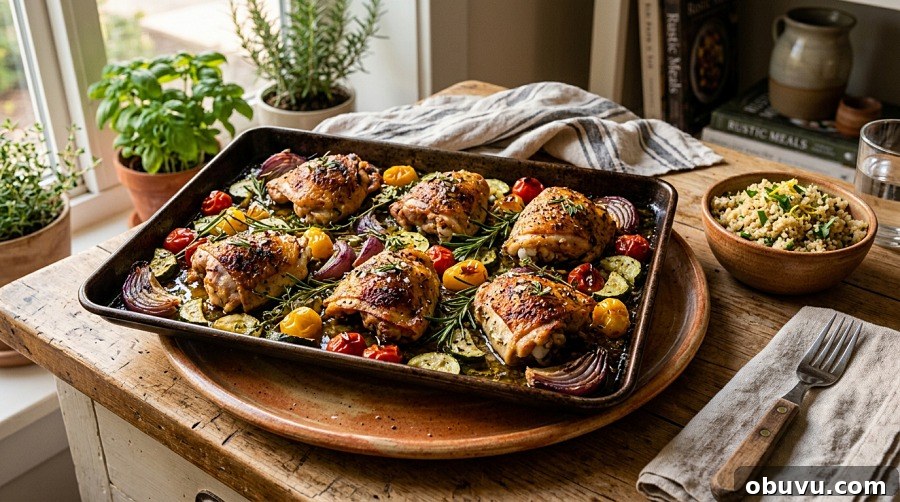
This easy one-pan dinner is perfect for busy nights. Chicken delivers zinc and B vitamins, and the roasted vegetables provide antioxidants, fiber, and minerals. Minimal prep, minimal cleanup, and a nutritious result.
Prep time: 10 minutes | Cook time: 35 minutes | Servings: 4
Ingredients:
- 4 bone-in, skin-on chicken thighs
- 2 cups cherry tomatoes
- 1 large zucchini, sliced
- 1 red onion, cut into wedges
- 3 tablespoons olive oil, divided
- Juice and zest of 1 lemon
- 3 cloves garlic, minced
- 1 tablespoon fresh rosemary, chopped
- 1 tablespoon fresh thyme leaves
- Salt and pepper to taste
- Optional: cooked quinoa for serving
Instructions:
- Preheat oven to 425°F and line a rimmed baking sheet with parchment.
- Whisk 2 tablespoons olive oil with lemon juice, zest, garlic, rosemary, thyme, salt, and pepper.
- Rub most of the mixture under the chicken skin and on top; reserve the rest.
- Arrange chicken and vegetables on the sheet, drizzle remaining oil and herb mix over vegetables.
- Bake 30–35 minutes until chicken reaches 165°F and vegetables are tender.
- Serve warm, with quinoa if desired.
This balanced meal supports thyroid function with zinc from chicken, antioxidants from vegetables, and healthy fats from olive oil.
Meal Tips and Timing with Thyroid Medication
If you take levothyroxine or other thyroid medication, timing matters. Follow these general guidelines recommended by many endocrinologists:
- Take medication on an empty stomach, first thing in the morning with a full glass of water, and wait 30–60 minutes before eating or drinking anything else.
- Avoid coffee within 30–60 minutes of your pill—coffee can reduce absorption.
- Space calcium and iron supplements at least four hours away from your thyroid medication.
- Be consistent with soy intake and avoid consuming large amounts at the same time as medication.
- Take your medication at the same time daily. If mornings aren’t practical, taking medication at bedtime at least 3–4 hours after eating can be an alternative—discuss with your doctor.
I keep my medication by my nightstand and take it immediately upon waking, then wait about 45 minutes before breakfast. That consistency helped stabilize my labs.
Best Foods for Thyroid Health: Frequently Asked Questions
What drink is good for your thyroid?
Water is best. Green smoothies with spinach, berries, and Greek yogurt, and herbal teas like chamomile or ginger are also good choices. Avoid coffee or milk within 30–60 minutes of taking thyroid medication.
What are 5 foods to avoid for thyroid health?
Limit large amounts of soy products, raw cruciferous vegetables in excess, excessive caffeine, highly processed foods and added sugars, and excessive seaweed or kelp supplements that can provide too much iodine.
How can I boost my thyroid naturally with food?
Eat foods rich in iodine, selenium, zinc, iron, vitamin D, and B12: yogurt, fish, seaweed in moderation, Brazil nuts, beef, chicken, pumpkin seeds, lentils, leafy greens, fatty fish, berries, and sweet potatoes. Maintain consistent eating patterns and take medication on an empty stomach.
What is the one thing you should be eating for your thyroid every morning?
Eggs are a practical morning choice: they contain iodine, selenium, B12, and vitamin D in the yolk and pair well with other thyroid-supporting foods like berries or spinach.
Final Thoughts on the Best Foods for Thyroid Health
Eating for thyroid health doesn’t require a strict or complicated regimen. Focus on nutrient-dense whole foods that supply iodine, selenium, zinc, iron, vitamin D, and B12: Brazil nuts, salmon and eggs, chicken and beef, berries, leafy greens, sweet potatoes, and yogurt. Cook cruciferous vegetables, be mindful with soy and excessive caffeine, and take medication on an empty stomach.
Food is a powerful complement to medical care, but it’s not a replacement. Work with your doctor to check levels and tailor nutrition or supplements as needed. These recipes and tips are meant to make thyroid-friendly eating approachable and enjoyable. If you try any of the recipes, I’d love to hear how they turned out. Here’s to feeling better by eating well and supporting that little butterfly gland that does so much for us each day.