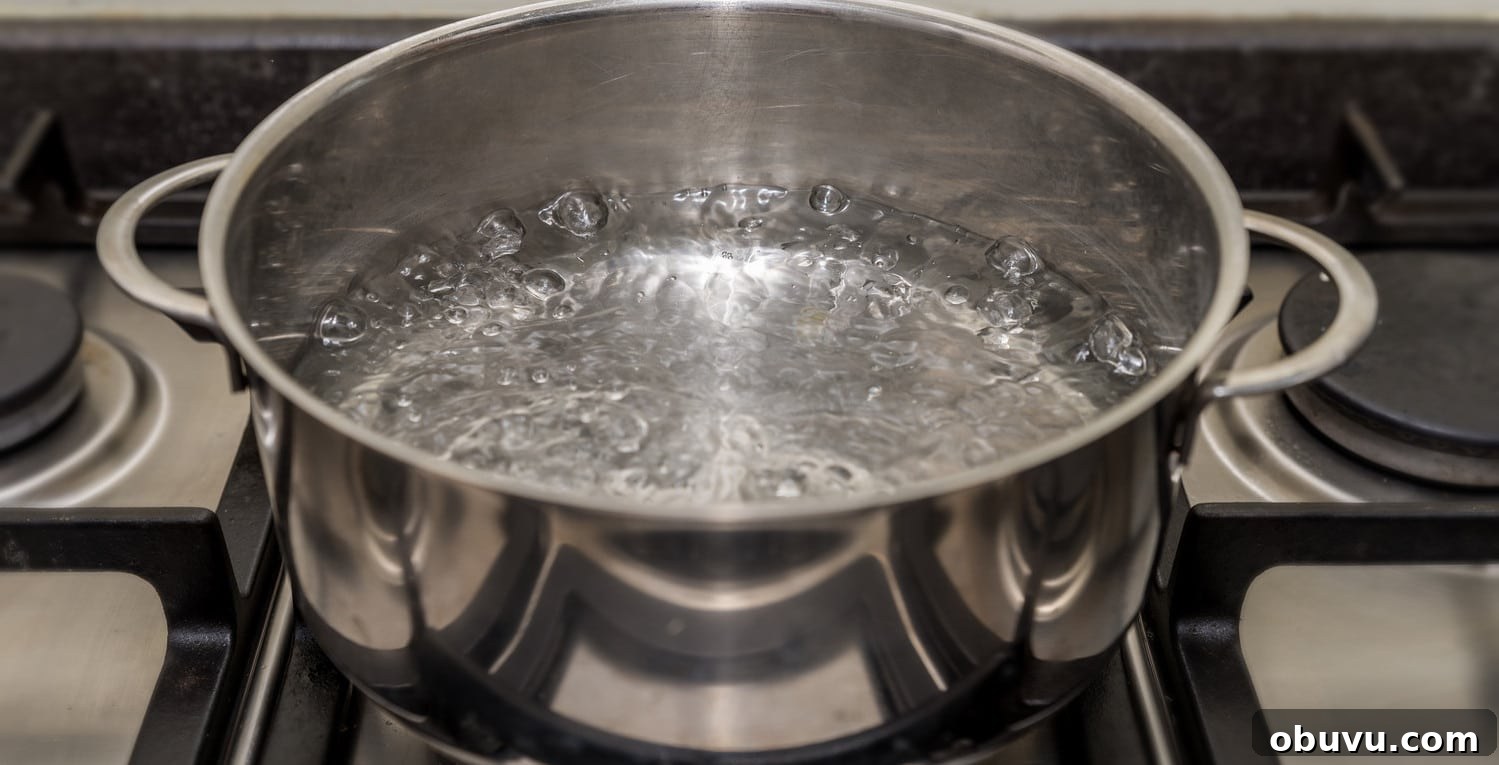
Water typically boils at 212 degrees Fahrenheit, though altitude and dissolved substances such as salt can change that point. Boiling is a versatile cooking method ideal for preparing pasta, grains, soups, stews, and many sauces. However, some foods don’t respond well to vigorous boiling. Sous vide offers an alternative by cooking foods at lower, precisely controlled temperatures for more consistent texture and moisture retention. While boiling dates back to Paleolithic times, sous vide is a modern technique developed to preserve tenderness and juiciness.
History of boiling
Archaeological and anthropological research indicates early humans, including Neanderthals, may have used containers fashioned from skin or birch bark to simmer stews over fires. Some researchers argue that the ability to cook food in liquid—softening tough tissues and extracting nutrients from bones—played a key role in human survival and evolution. Although cooking in bark may seem likely to ignite, containers remain protected from burning as long as they contain liquid.
Boiling represented a major milestone in food preparation. It improves digestibility, enhances nutrient availability in some foods, and allowed humans to safely consume a wider variety of ingredients by destroying harmful bacteria and parasites that cause foodborne illnesses.
Methods for boiling
Today, home cooks commonly use two main boiling techniques: a rolling boil and a gentle (or simmering) boil. A rolling boil remains vigorously bubbling even when stirred and is often used for cooking pasta, starchy vegetables like potatoes, or other items that benefit from active circulation to prevent sticking. A gentle boil, or simmer, features smaller, steadier bubbles and is better suited to delicate items such as stuffed pasta, dumplings, or dishes that should maintain shape.
When preparing soups, stews, or sauces, a gentle boil is usually preferable. The lower agitation helps preserve the texture of vegetables, meats, and other ingredients and prevents them from breaking down too quickly. A sustained rolling boil can also cause excessive evaporation and reduce liquid levels in the pot, increasing the risk of ingredients sticking and burning on the bottom.
Boiling vs. sous vide
- Sous vide cooks food at much lower temperatures than boiling, commonly in the 130–140°F range, and maintains a precise, constant temperature throughout the process.
- Boiling drives liquids out of foods. For example, a chicken simmered for hours will yield flavorful broth and tender, shreddable meat, but the meat will lose much of its internal juiciness because high heat breaks down proteins and releases moisture. In contrast, sous vide allows collagen and proteins to break down slowly without forcing out the juices, producing very moist, evenly cooked results.
- Delicate proteins like fish and shellfish can be boiled briefly, but prolonged exposure to boiling water risks overcooking or disintegration. Sous vide lets you cook these items longer at low temperatures, resulting in different textures—often softer and more uniform—though some people may prefer the firmer bite that brief boiling can produce.
- Boiling reaches at least 212°F at sea level and can vary with dissolved substances and elevation, making it suitable when precise temperature control is unnecessary. Sous vide relies on a fixed temperature with minimal fluctuation, ideal for repeatable, exact doneness.
Both boiling and sous vide have distinct strengths. Boiling is quick, practical, and excellent for soups, stews, and grains. Sous vide shines for proteins and vegetables that benefit from careful temperature control, such as steaks, seafood, and tender asparagus. Choosing between them depends on the desired texture, moisture retention, and level of temperature precision required for the dish.
Contributor:
This article was written by Stephanie Searor, MS RD LDN
Reference:
- Ancient Origins: Research on early boiling practices and Neanderthal cooking techniques