
I’ve known about proper breathing technique and oral posture for over five years, and I still fall out of correct habits when I don’t pay attention.
Breathing matters.
Most of us never consciously think about breathing because it’s automatic, but how you breathe affects how you feel. Breath influences mental health (think rapid breathing with anxiety), sleep, behavior, cardiovascular and digestive function, and much more.
Shirley Gutkowski originally thought she wanted to be an orthodontist, but after exploring several careers in oral health she found her true calling.
She believes people don’t talk about breathing nearly enough and is dedicated to changing that through education.
I’m grateful for the time Shirley spent with me for this interview. Everything she shared made me reassess breathing habits in my own family.
If you breathe—and you have children who breathe—this podcast episode is worth your time.
Find all episodes of the Healthy Parenting Handbook in your usual podcast app.





Please consider leaving a review on Apple Podcasts if you listen there—thank you!
If you don’t have time for the video, here are the highlights.
Proper Breathing Technique for Families
- 1:24: My guest on the Healthy Parenting Handbook is Shirley Gutkowski, owner of Primal Air.
- 3:20: Breathing seems instinctive, but there are better and worse ways to breathe. Tongue and mouth posture influence whole-body health.
- 4:03: Shirley shares how she became passionate about mouth posture and breathing.
- 8:39: Dental culture often overlooks broader contributors to oral health, like diet and breathing patterns.
- 9:40: Epigenetics shows how environmental factors—like stress or exposures experienced by previous generations—can affect development today.
- 11:05: One consequence observed over generations is a “shrinking face.” Jaws develop from pressures such as the tongue against the teeth and activities like breastfeeding; when jaws are too small, tooth crowding and wisdom tooth removal become common.
- 13:08: A small oral cavity can push the tongue forward, encouraging mouth opening and mouth breathing.
Proper Tongue Posture for Breathing
- 14:11: Optimal tongue posture places the tip of the tongue on the roof of the mouth just behind the front teeth, with about two-thirds of the tongue resting against the palate.
- 16:32: Proper oral posture also means lips closed and teeth lightly together.
- 18:32: Chronic mouth breathing is associated with negative effects such as increased anxiety and snoring.
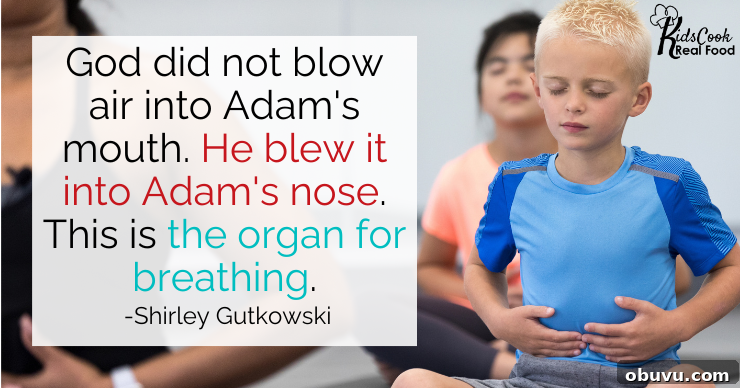
- 20:20: Nasal breathing performs essential functions the mouth cannot: it warms, humidifies, and filters air. Breathing through the nose also reduces mucus buildup compared with habitual mouth breathing.
- 25:30: Mouth taping can help if you are able to breathe through the nose. Children can use mouth tape when they can apply and remove it themselves. Start gradually—Shirley recommends a sticky note first—keeping the lips together without sealing the mouth closed.
- 26:53: Taping can be a supportive habit while nasal breathing skills improve; it’s not necessarily a permanent fix if an underlying nasal obstruction exists.
Side Effects of Mouth Breathing
- 27:21: Mouth breathing in childhood can stunt sinus growth, complicating breathing later in life.
- 27:58: Research shows chewing has decreased significantly since mid-century. Less chewing weakens jaw development; robust chewing activity strengthens jaw bones.
- 29:55: Widespread issues like wisdom tooth removal relate to diet, generational influences, and reduced chewing and nasal breathing.
- 30:33: Babies need opportunities to use their tongues and chew—offering appropriately textured foods (some raw, some cooked but not pureed) supports facial and oral development.
- 32:14: Mouth breathing commonly leads to snoring. Devices like CPAP can help but risk muscle atrophy in the airway, creating dependence.
- 33:22: If you’re not breathing optimally, learning proper technique is important. Humans tend to adopt correct breathing in supportive environments, but modern changes have shifted those conditions.
- 34:45: Chewing tougher foods—like meat from a bone—exercises lips, tongue, and teeth, slows eating, and improves sensory experiences and digestion.
- 36:39: Picky eating that starts with soft, pureed foods can influence facial development and tongue function, making children prefer mushy, easy-to-chew options that impair digestion.
- 37:40: Tongue-tied individuals may chew with their cheeks and pocket food, swallowing larger pieces. This often becomes problematic later in life; assess for tongue-tie if chewing seems atypical.
- 39:10: Shirley treated a woman whose severe tongue-tie required two surgeries. Unexpectedly, releasing the tie resolved her lifelong constipation—an example of how oral function connects with whole-body health.
- 41:10: There’s a concerning tendency in medicine to accept high rates of dysfunction as normal. That lowers standards of care.
Is It Ever Too Late to Fix Mouth Breathing?
- 41:43: It’s never too late. People in their 70s have learned to breathe better and seen health improvements.
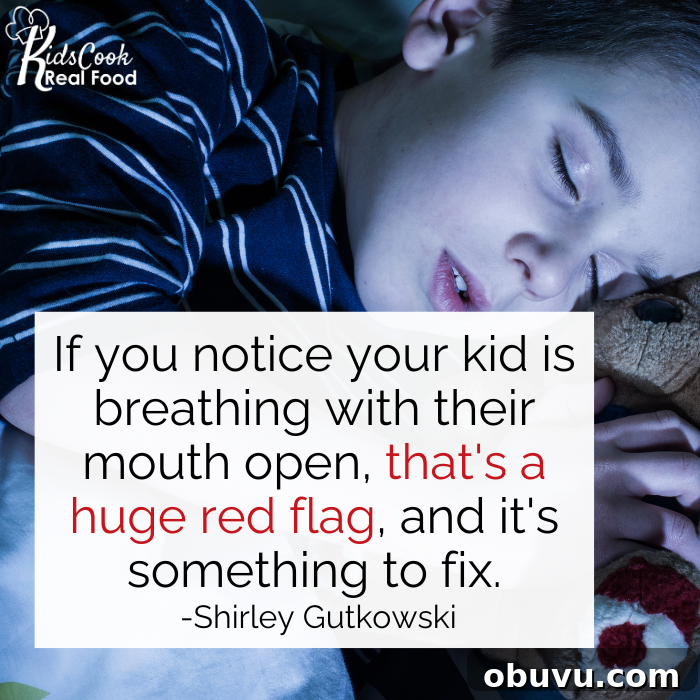
- 43:34: If a child breathes through the mouth or has crowded teeth, investigate the cause promptly. If a dentist recommends braces, consider assessing orofacial function first. An orofacial myofunctional therapist can evaluate tongue posture, chewing, and breathing; Shirley offers virtual consultations.
- 45:25: Shirley’s book, More Than a Kissing Spot, teaches parents about breathing and facial development in babies.
Resources Mentioned
- More Than a Kissing Spot: Your New Baby’s Face (book by Shirley Gutkowski)
- The Purple Guide: Developing Your Clinical Dental Hygiene Career (referenced resource)
- Primal Air (Shirley’s practice)
- Further reading on mouth taping and nasal care, and products like xylitol nasal spray were discussed as options people often use.
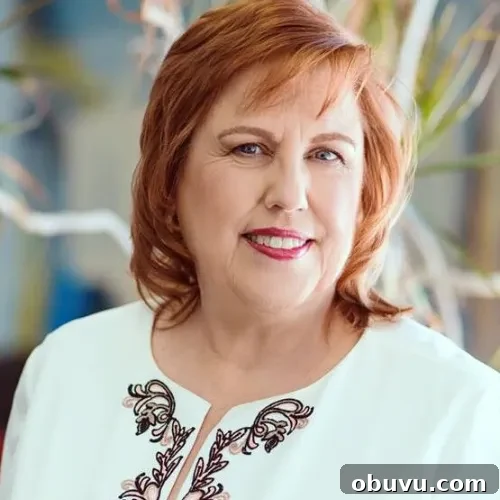 Shirley Gutkowski, RDH, discovered in 2014 that she had been breathing inefficiently, and learning how to correct it changed her career and life. She is an author, speaker, and the owner and primary practitioner of Primal Air LLC in Sun Prairie. Her work focuses on orofacial myofunctional therapy, breathing, chewing, sleep, and overall health. Shirley and her husband Mark have five grown sons, three daughters-in-law, and two grandchildren.