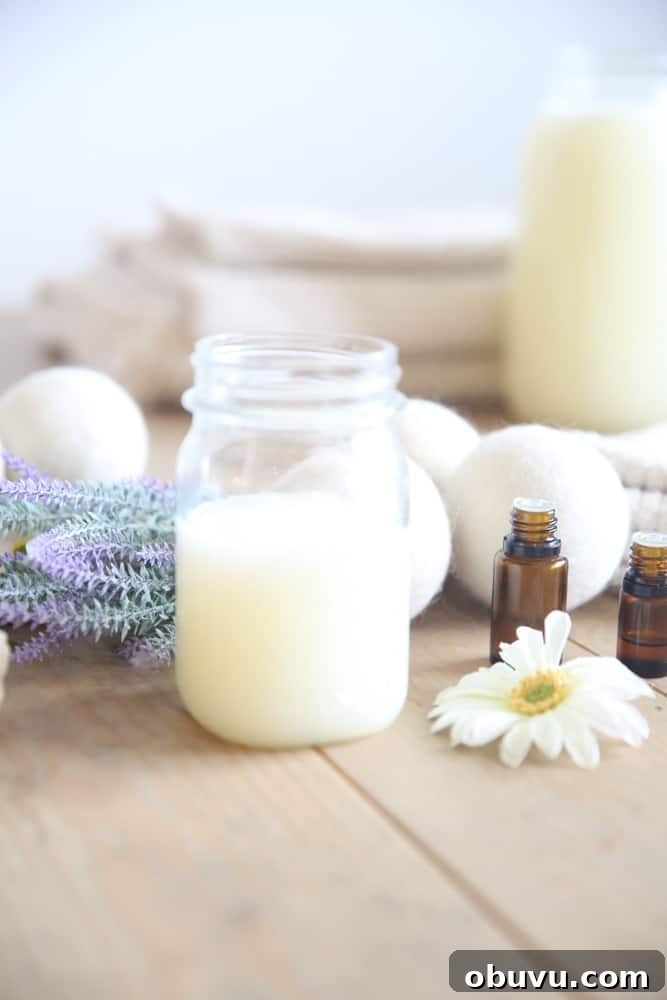
Learn how to make effective, low-waste laundry soap with just a few natural ingredients. A single batch makes about 5 gallons—enough for roughly 300–320 loads.
This homemade laundry soap is simple, affordable, and great for sensitive skin when you omit fragrance or use gentle essential oils.
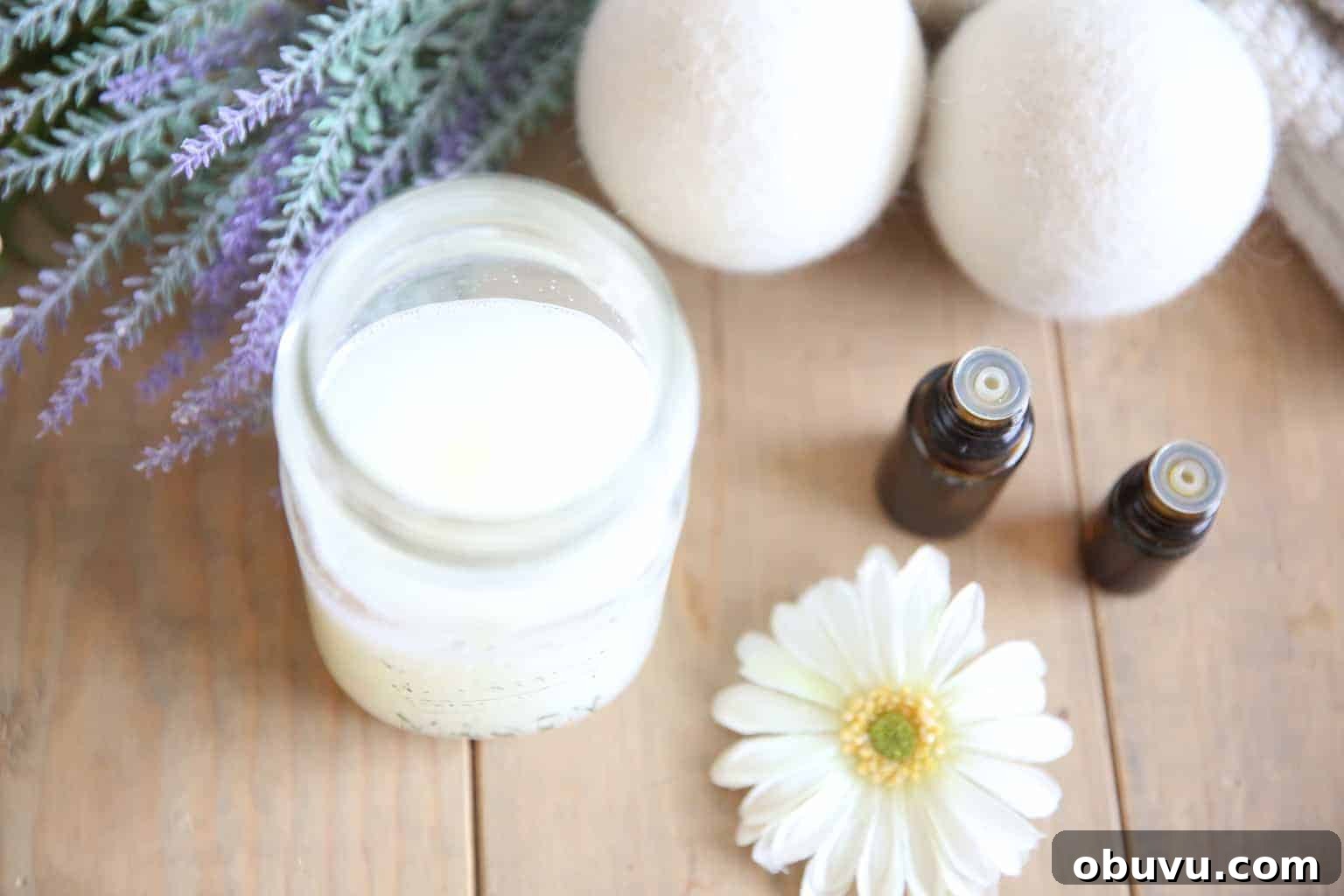
This recipe is ideal for beginners interested in making their own laundry products. It requires minimal time, inexpensive ingredients, and common household equipment.
From start to finish it takes under 20 minutes to prepare five gallons. I’ve used a version of this recipe for over ten years and it has saved a lot of money while reducing plastic waste.
If you miss the scent of commercial detergents, add essential oils to recreate familiar fragrances. Oils are optional—omit them for an unscented, gentle detergent.
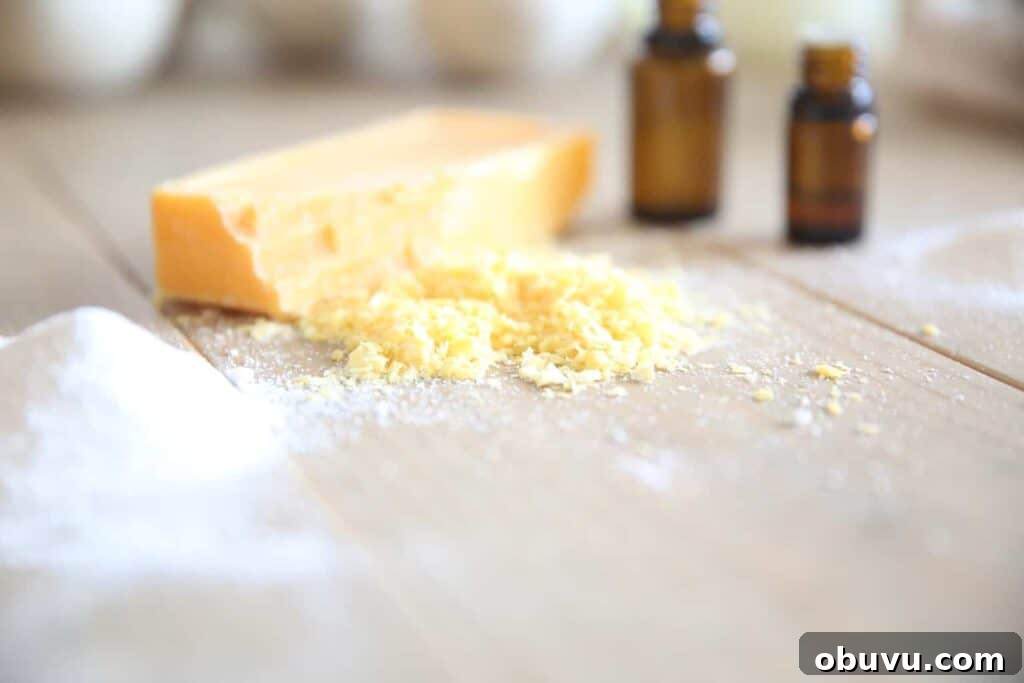
Laundry detergent ingredients
- 1 cup borax
- 1/2 cup washing soda
- 1 Castile soap bar or Fels Naptha soap bar, 5 ounces (or a homemade laundry soap bar)
- 5-gallon bucket with lid (any bucket with a seal will work)
- Box grater (keep a separate one for the laundry room if preferred)
- 30–50 drops of essential oils (optional)
Homemade laundry soap recipe
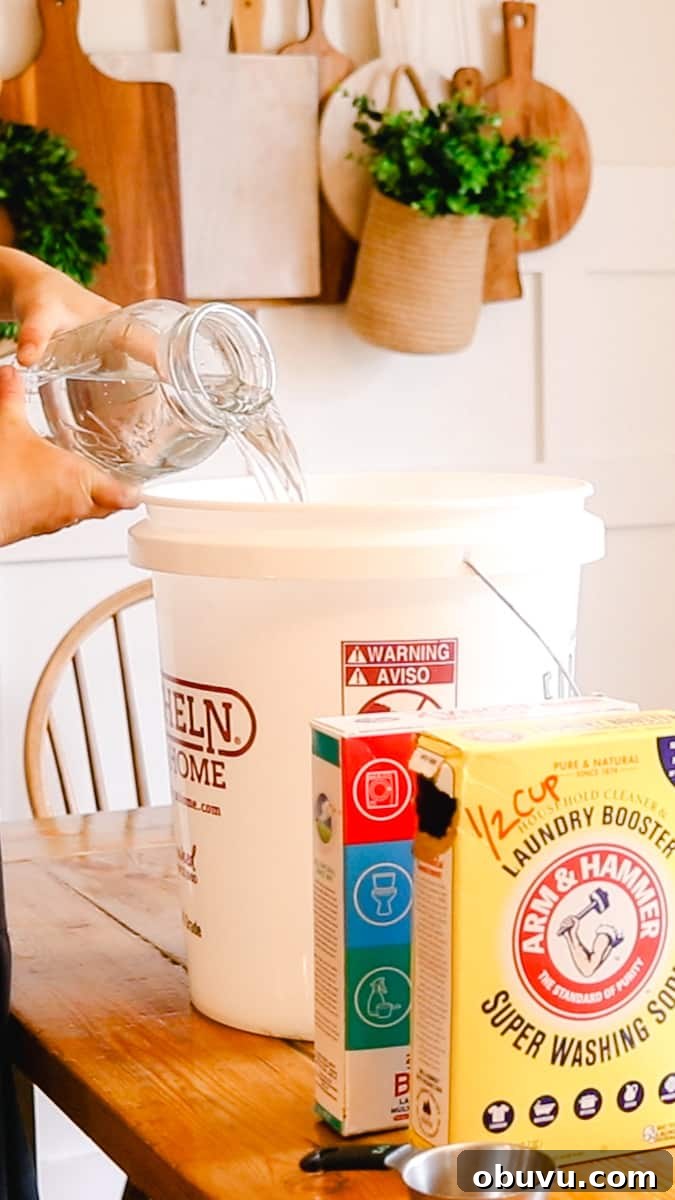
Step 1: Add 1/2 gallon of water to your bucket.
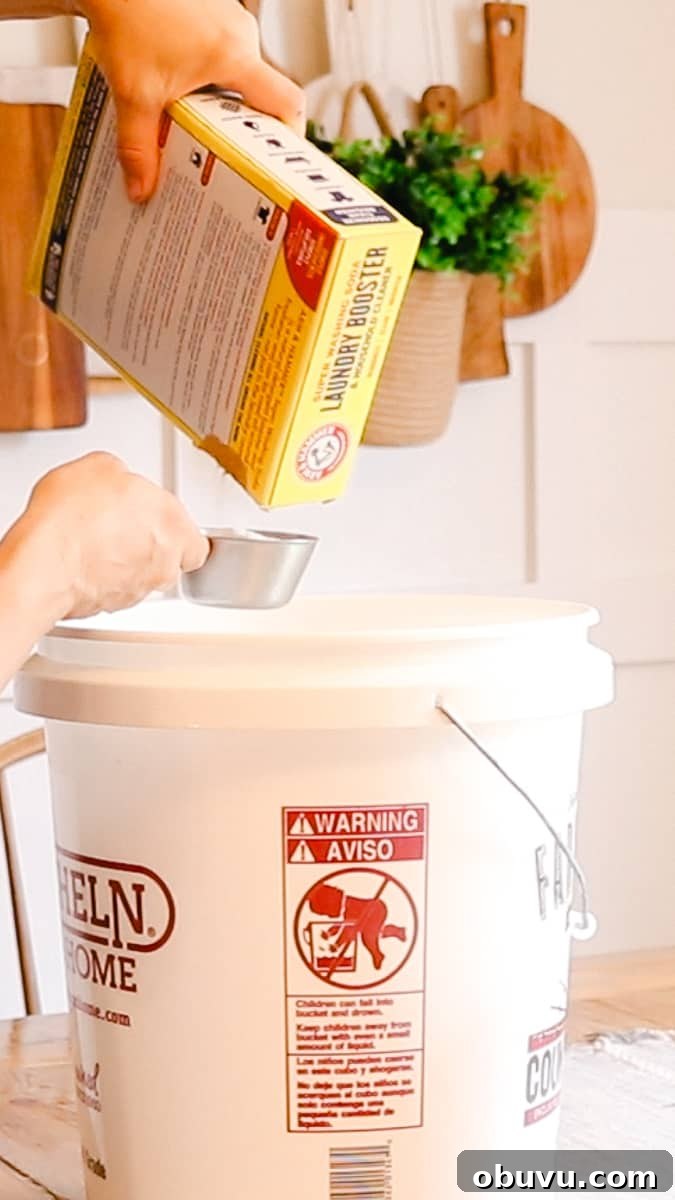
Step 2: Stir in the borax and washing soda until mostly dissolved.
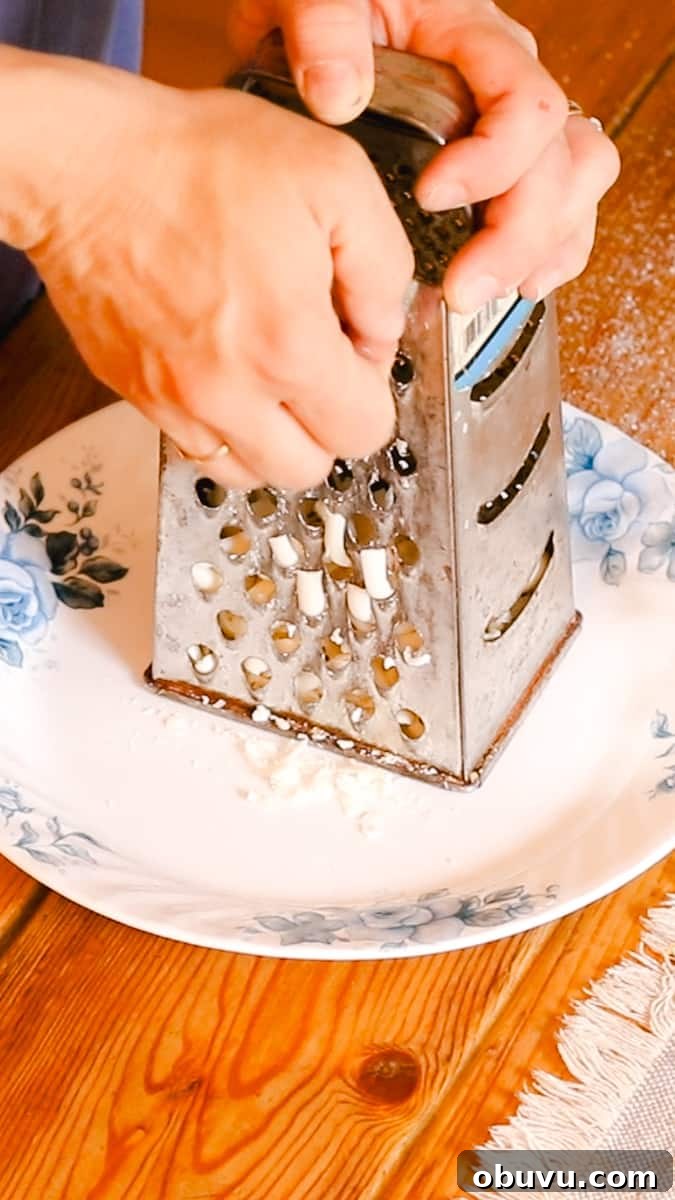
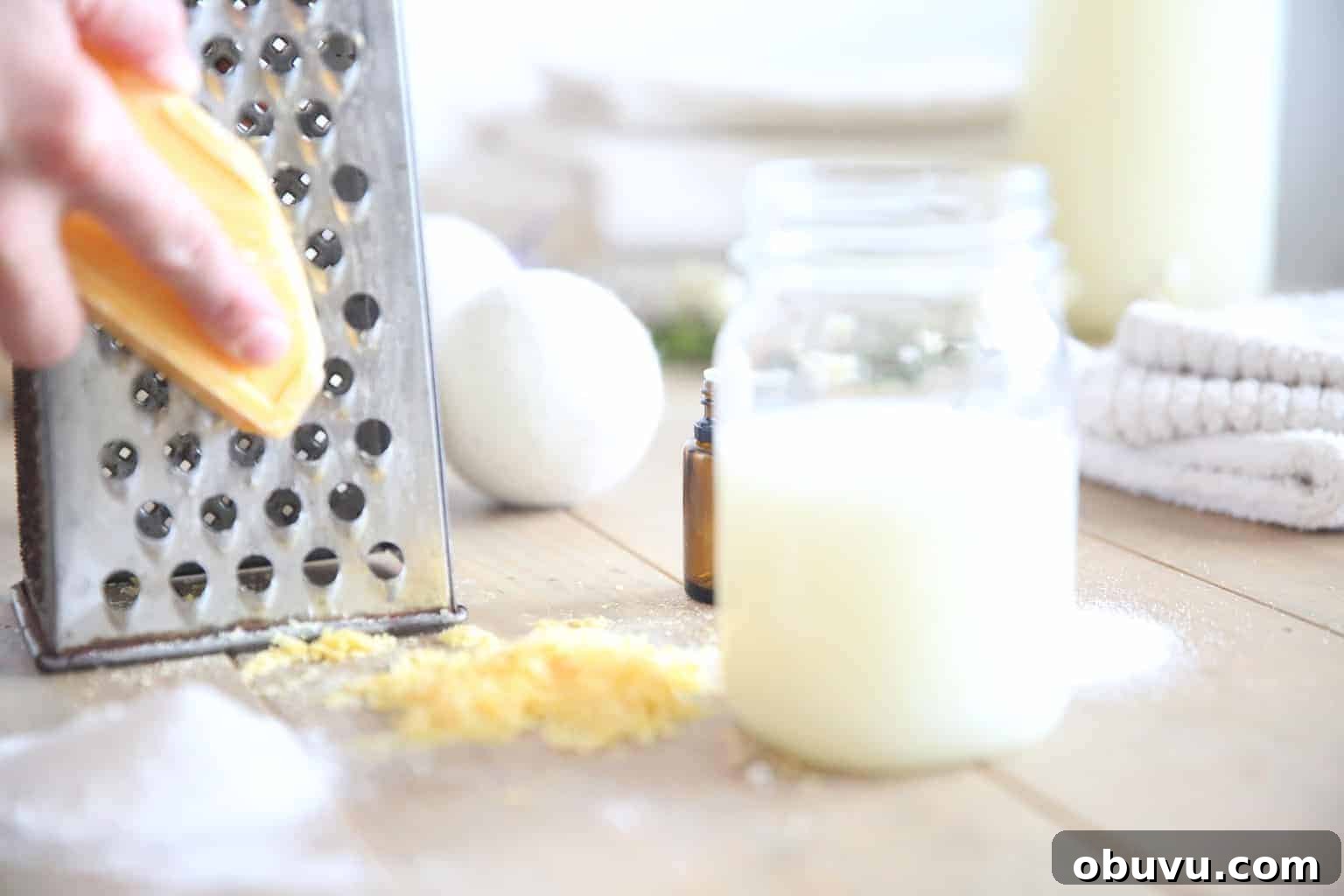
Step 3: Shred the soap bar with a box grater.
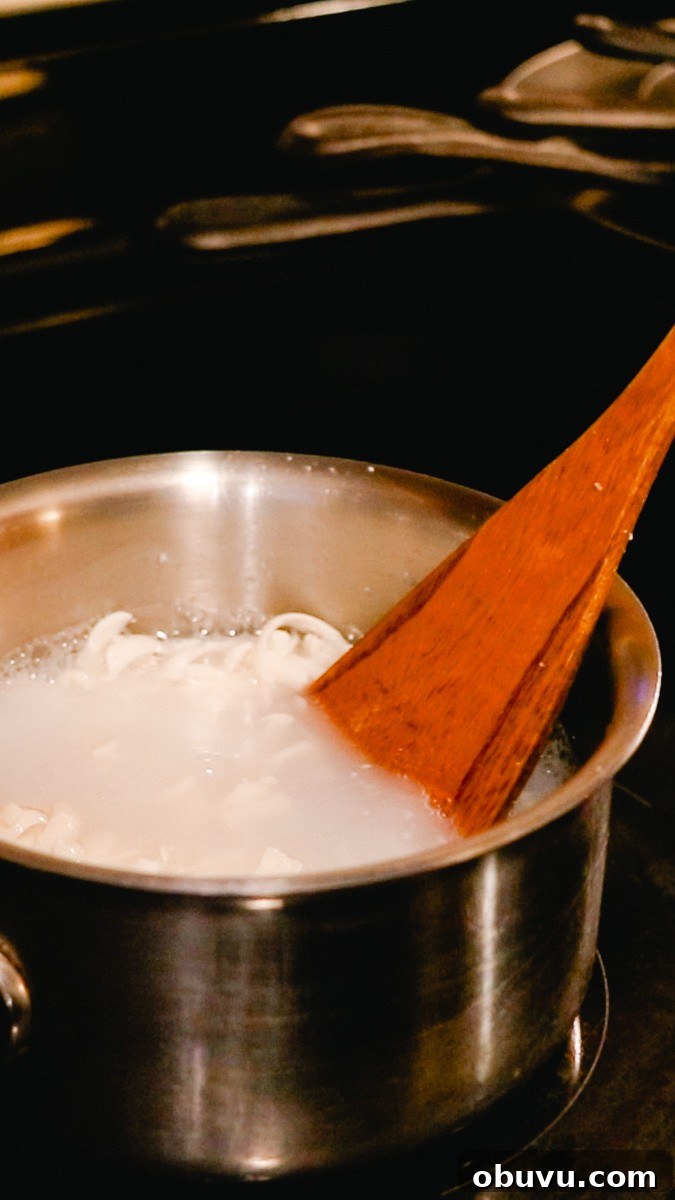
Step 4: Place the shredded soap in a small saucepan with 1 cup of water and melt over medium heat, stirring frequently until smooth.
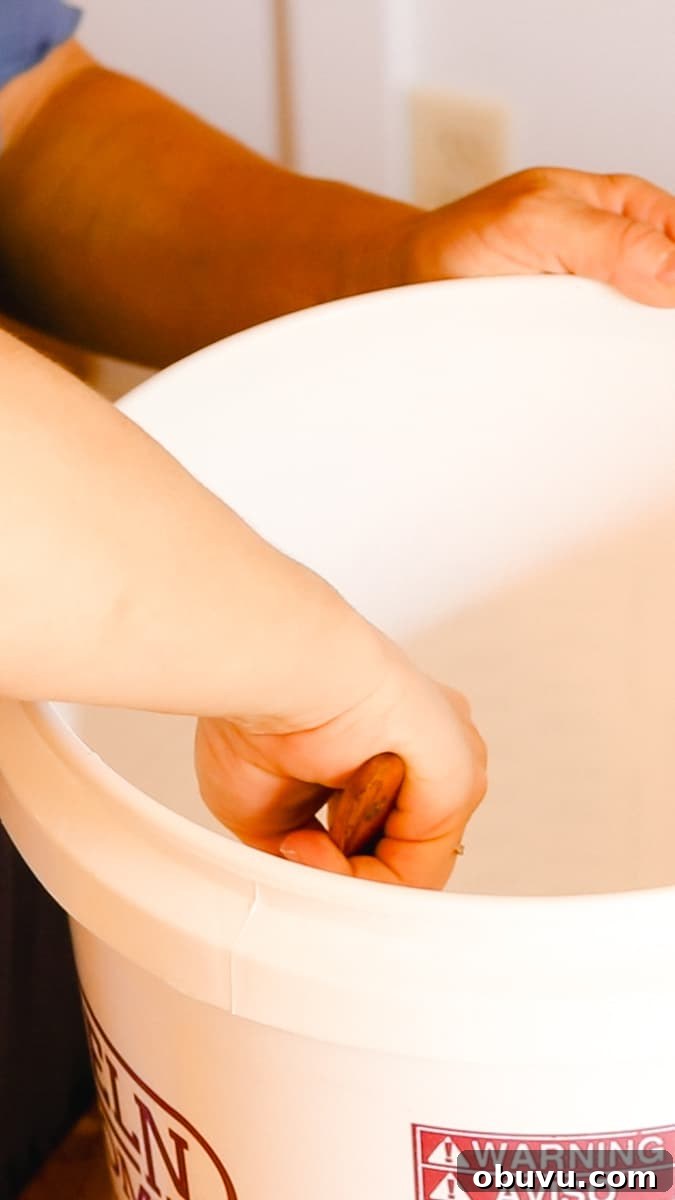
Step 5: Pour the melted soap into the bucket, add any essential oils, and stir thoroughly.
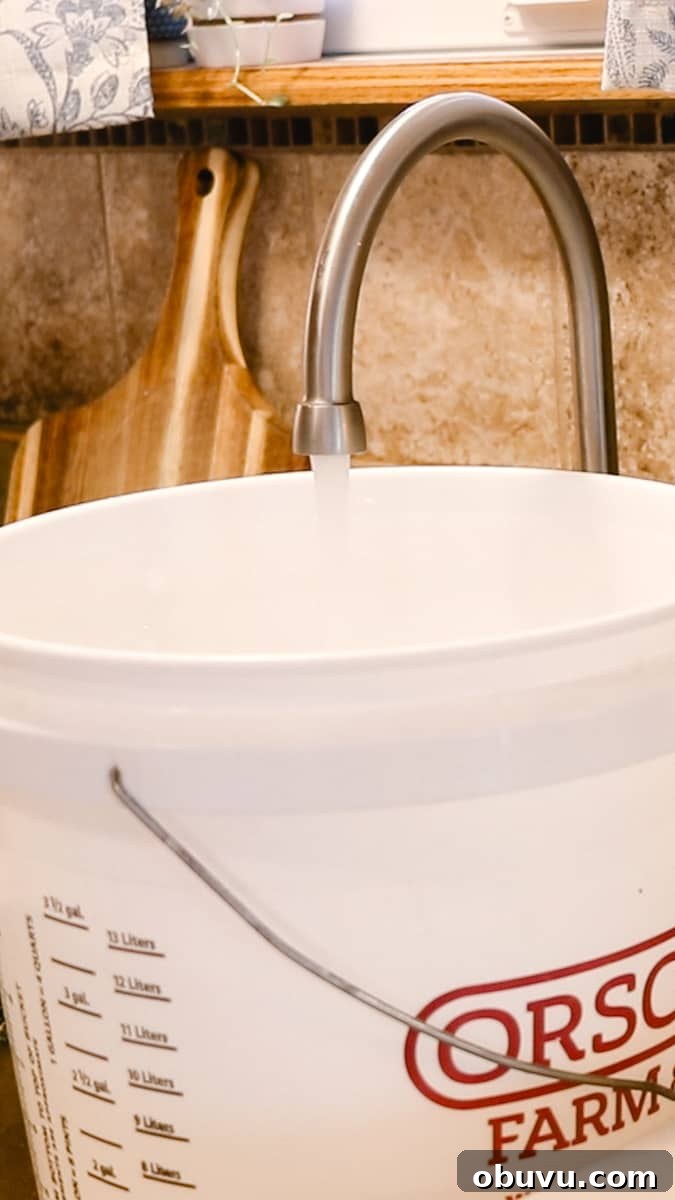
Step 6: Top up with water until about 2–3 inches from the rim and mix until combined. An immersion blender speeds this up, or use a large stirring stick.
Tip: Seal the bucket, let it sit overnight, then shake well before use. Transfer a smaller portion (an old detergent bottle or ½-gallon mason jar) for everyday dispensing.
Usage: Shake before each use and measure about 1/4 cup per load. Store the bulk container in a cool, dry place out of direct sunlight.
How natural is this laundry soap?
This recipe aims to be as natural and effective as possible. Below are brief notes on the main ingredients so you can decide what’s best for your household.
Borax: Borax is often criticized and rates lower on some safety scales. Most concerns relate to undiluted topical exposure. Diluted in a laundry mixture it has been widely used for boosting cleaning power. If you prefer to avoid borax, you can increase washing soda or follow borax-free recipes.
Washing soda: Washing soda helps neutralize odors and lift stains; it performs well and scores favorably in many cleaner assessments.
Castile or Fels Naptha soap bar: Fels Naptha is a traditional laundry bar effective on heavy soils, but it contains ingredients like tallow and palm oil. Castile soap is a gentler, plant-based alternative. Fels Naptha tends to yield a thicker, gel-like detergent; Castile makes a runnier liquid, but both clean effectively.
An eco-friendly choice
This laundry soap reduces single-use plastic when you refill reusable containers. Choosing natural soap bars and responsibly sourced essential oils further lowers environmental impact.
Store your detergent in reusable containers and keep any bulk buckets out of direct sunlight. Proper storage helps prevent mold and preserves scent.
Shelf life and storage
Homemade liquid laundry soap can last up to 12 months if stored in a cool, climate-controlled location. It may gel or freeze in very cold temperatures, so keep it indoors. If it still smells normal and shows no mold, it’s safe to use.
This batch yields about 320 loads—typically enough for an average household for many months depending on laundry frequency.
Liquid vs. powdered laundry detergent
Liquid pros: Dissolves easily in cold water and is convenient for pre-treating stains. Homemade liquid is refillable and avoids plastic waste.
Liquid cons: Shorter shelf life than powders and can gel if frozen.
Powder pros: Long shelf life when kept dry, highly concentrated, and effective for heavy soils.
Powder cons: May not dissolve well in cold water and can leave residue unless washed with hot water.
Choose based on preference and the types of laundry you do: liquid for everyday cold washes, powder for very soiled loads or cloth diapers with a hot cycle.
Dealing with very smelly or mineral-clogged laundry
For extremely soiled or smelly items, consider laundry stripping or using scent boosters. Laundry stripping can remove mineral buildup and detergent residue from towels, bedding, or stubborn fabrics.
How to strip laundry
Fill a tub or sink with hot water, add a dash of borax and washing soda, submerge laundry, and let soak 3–5 hours. Rinse on a rinse-only cycle (no detergent) and dry.
Will this soap harm your washer?
In my experience, using this recipe in a front-loading HE washer for ten years caused no issues. Use discretion with natural detergents and follow your machine manufacturer’s guidance.
Can I use this in a HE washer?
Most people use this liquid successfully in HE machines. Some manufacturers recommend using liquid castile instead of bar-diluted soap for HE models, so check your washer’s manual if uncertain.
Best essential oils for laundry soap
Essential oils are optional but add pleasant scents and some odor-control properties. Popular choices:
- Lavender — calming floral scent, a top choice for laundry.
- Orange — fresh, uplifting citrus aroma.
- Tea tree — cleansing and helpful for mildew odors.
- Peppermint — sharp, minty freshness.
- Eucalyptus — fresh and cleansing.
- Lemongrass — earthy citrus often liked by men.
- Roman chamomile — gentle and suitable for children’s laundry.
- Cedarwood — warm, woodsy scent favored by many men.
- Patchouli — potent, distinctive—use sparingly.
- Jasmine — rich floral aroma for a strong floral scent.
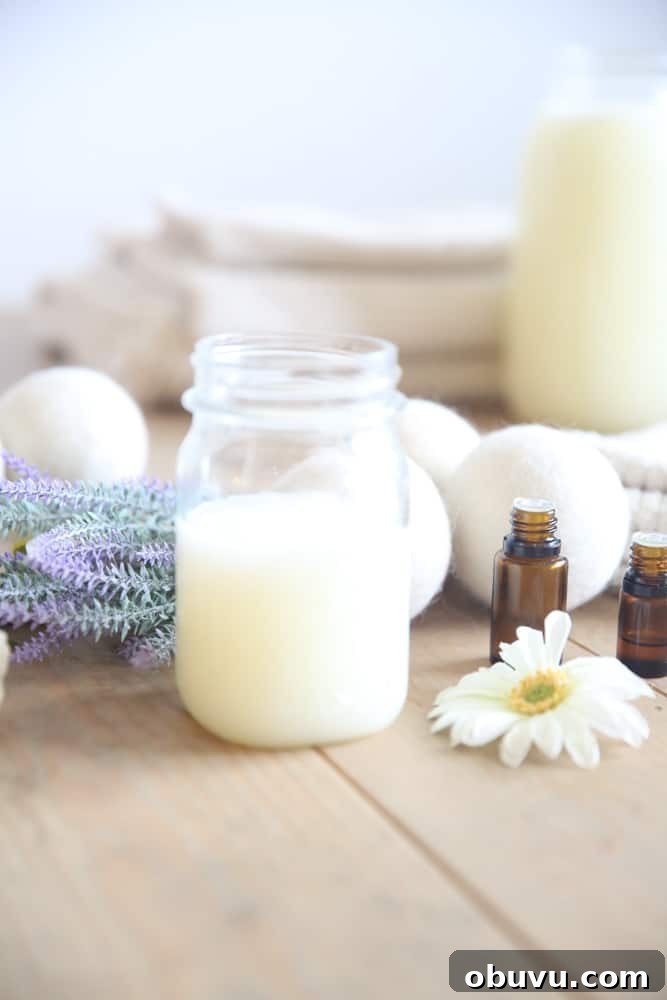
Essential oil blends
Citrus bliss
- 20 drops orange
- 15 drops lemon
- 10 drops lime
- 5 drops grapefruit
Floral sensation
- 20 drops lavender
- 15 drops jasmine
- 10 drops patchouli
- 5 drops clary sage
Gentle baby
- 25 drops lavender
- 10 drops roman chamomile
Odor control
- 20 drops eucalyptus
- 15 drops tea tree
- 10 drops lemon
- 5 drops peppermint
Bonus recipes for laundry care
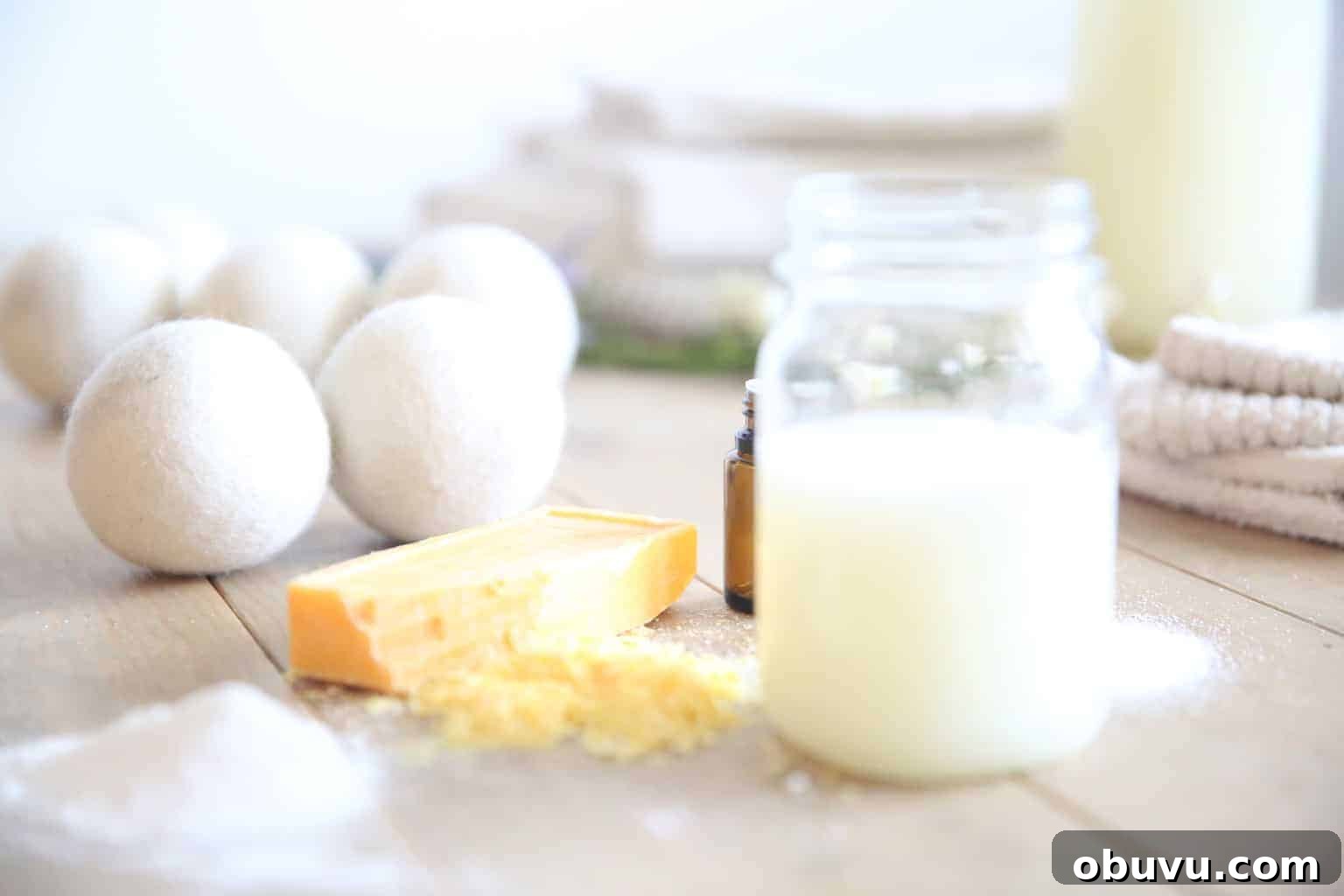
Consider adding homemade fabric softener, DIY dryer sheets, or dryer balls to your routine to reduce wrinkles, static, and drying time. Add a few drops of essential oil or tuck in dried herbs to scent laundry naturally.
Related DIYs
- Homemade laundry soap pods
- Homemade shower melts
- Cleaning with natural products
- How to make your own gel dish soap
If you try this Homemade Laundry Detergent recipe, please leave a star rating and share your experience in the comments. Thanks for reading!