Last Updated on December 3, 2025 – Originally Published in March of 2017
Bread machine yeast, rapid-rise yeast, active dry yeast, instant yeast — why so many names and so much confusion? Many sources and manuals use different terms, and recipes sometimes call for one type while mentioning another. The good news is it’s simpler than it looks.
After reading many contradictory explanations, testing recipes, and experimenting with different machines and cycles, I found a straightforward way to understand yeast types and how to use them in a bread machine.
Two Main Types of Yeast
Despite the many labels on supermarket shelves and in cookbooks, there are really only two main types of baker’s yeast used at home: instant yeast and active dry yeast.
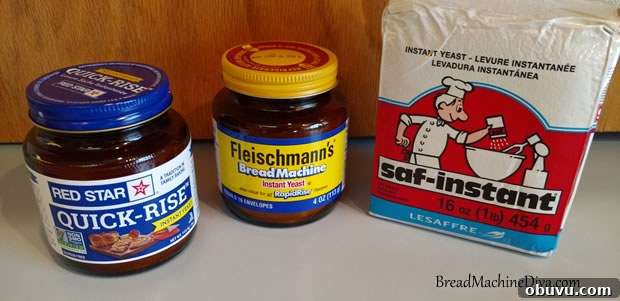
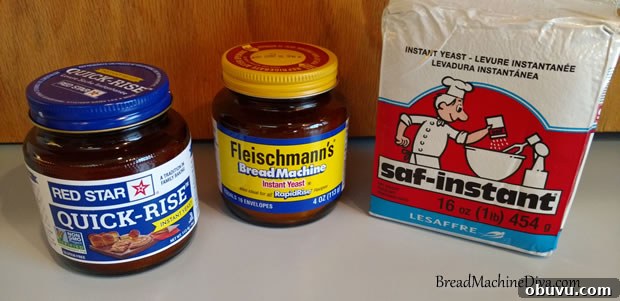
Instant yeast includes what is sold as bread machine yeast and rapid-rise (quick-rise) yeast. These are manufactured with smaller granules and often contain dough conditioners so they act faster. Bread machine yeast and rapid-rise yeast are simply varieties of instant yeast and, in most recipes and machines, can be used interchangeably.
Active dry yeast was traditionally “proofed” or dissolved in warm water before use. Modern active dry yeast is produced so it can be used directly in a bread machine without a separate proofing step. When using active dry yeast in a bread machine, do not proof it separately unless a recipe specifically requires that step.
What Yeast Actually Does
Yeast is a living microorganism that consumes simple sugars and releases carbon dioxide and alcohol. The carbon dioxide forms tiny bubbles that expand the dough and give bread its rise and texture.
Practical Tests
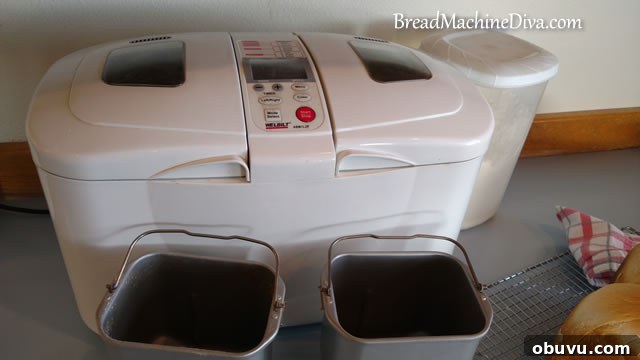
To confirm that instant yeast, bread machine yeast, and rapid-rise yeast can be used interchangeably, I baked multiple loaves across different machines and cycles. I used my Zojirushi and a Welbilt machine and compared loaves made with different yeast types while keeping all other variables the same.
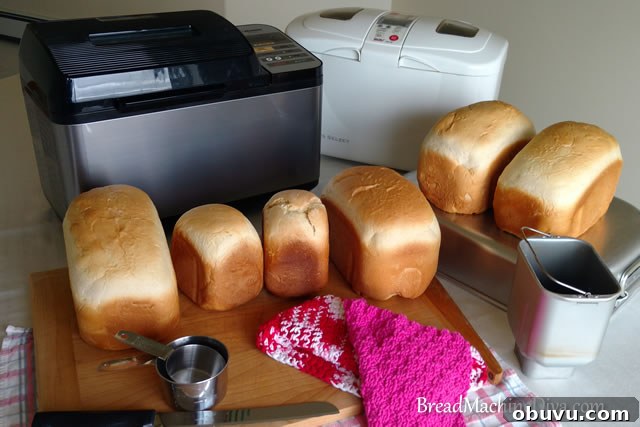
The visual and textural results showed that instant, bread machine, and rapid-rise yeasts produced comparable loaves when used in the same quantities appropriate for instant yeast.
Interchangeability Test
I tested three loaves of the same sour milk bread recipe using the quick (rapid-rise) cycle, changing only the yeast: bread machine yeast, SAF instant yeast, and rapid-rise yeast. The loaves were essentially the same in rise and appearance, confirming interchangeability among instant yeast varieties.
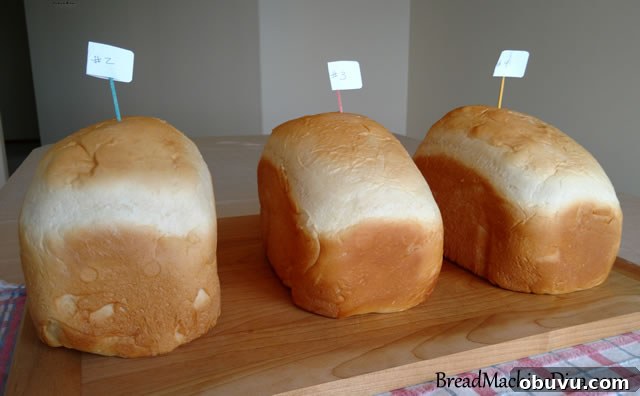
Converting Between Instant and Active Dry Yeast
If you need to substitute one type for the other, use this reliable conversion:
For 1 teaspoon of active dry yeast use 3/4 teaspoon instant yeast.
Important Facts:
Bread machine yeast and rapid-rise yeast are both types of instant yeast.
One package of yeast (all types) typically contains 2 1/4 teaspoons or about 7 grams of yeast.
Conversion Tests
To validate conversions, I baked additional loaves using the quick cycle with different yeast amounts. When substituting active dry yeast for instant, increasing the active dry quantity by the conversion factor produced loaves that matched those made with instant yeast.
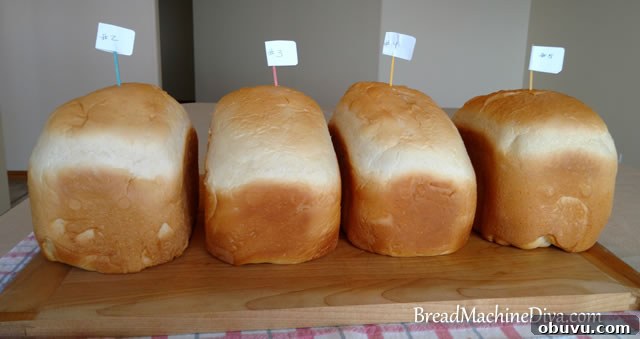
In another test on the Welbilt basic cycle, I compared a loaf made with 1 teaspoon instant yeast to one made with 1 1/4 teaspoons active dry yeast and found consistent results, demonstrating the conversion works across cycles and machines.
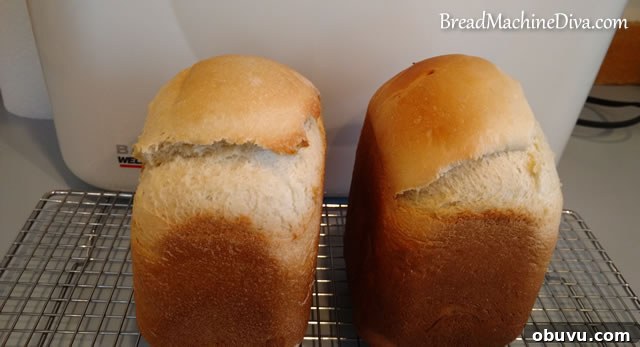
Which Yeast to Use in the Bread Machine
Any of the yeast types discussed can work well in a bread machine. My routine is to use active dry yeast for most recipes and switch to instant yeast when using a rapid-rise cycle. Follow your machine’s instructions about preheating liquids: some models have a preheat cycle that warms liquids to an optimal temperature before kneading; others do not, in which case warm tap water is sufficient.
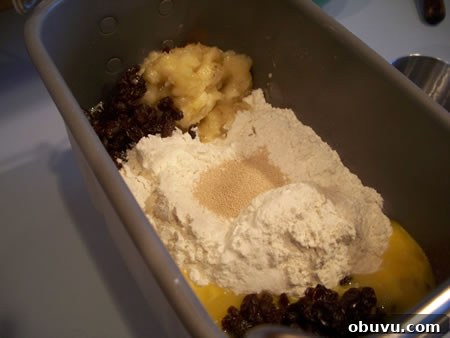
Most manufacturers recommend placing yeast in a small well or “nest” on top of the dry ingredients so it stays separate from liquids until the program starts. Here’s how a pan looks when preparing banana raisin bread with the yeast nestled in the flour.
Storing Yeast
Store opened yeast in an airtight container in the refrigerator to maintain freshness. Larger packages can be divided into jars and kept chilled. Some bakers store yeast in the freezer; while that can work, refrigeration is a reliable and convenient option.