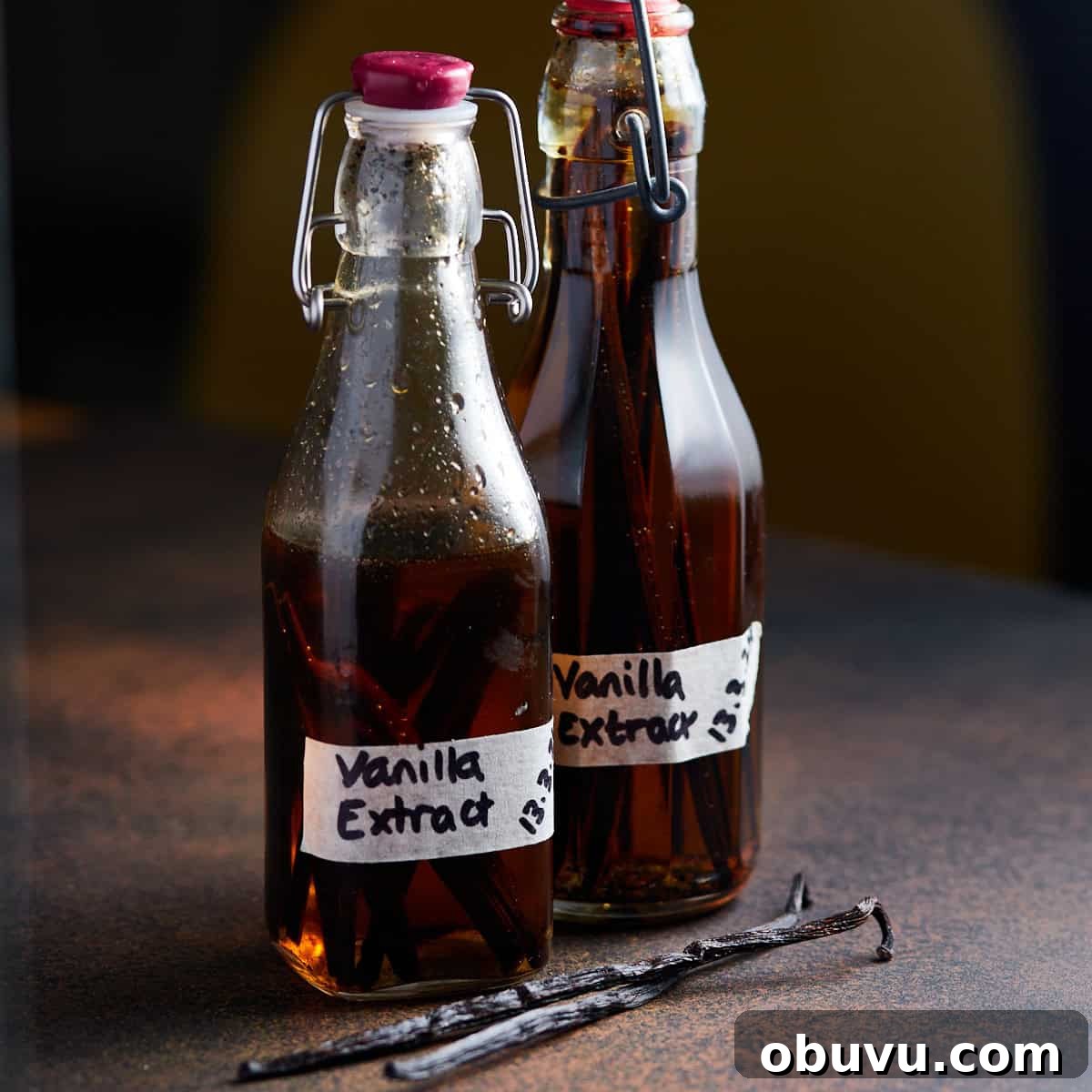
This homemade vanilla extract is simple to prepare and adds a rich, natural vanilla flavour to your baking — without alcohol. Using food-grade vegetable glycerin as the extraction base instead of alcohol produces a smooth, gently sweet extract that works well in cakes, cookies and desserts. Once made, the bottle can be replenished with more glycerin, water and a fresh vanilla pod so you can maintain a steady supply of alcohol-free vanilla extract.
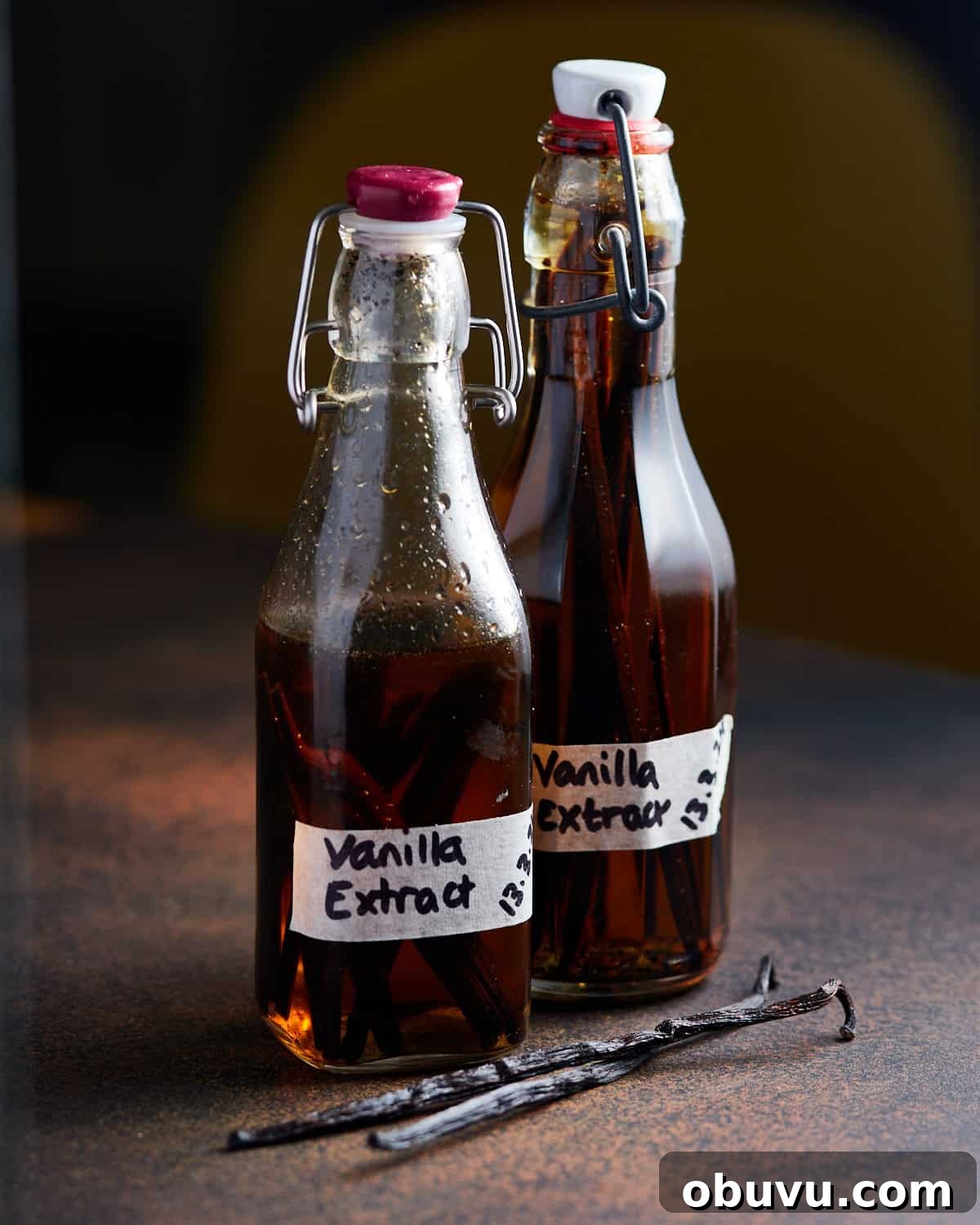
Many high-quality commercial vanilla extracts are alcohol-based, which isn’t suitable for everyone. If you avoid alcohol for personal or religious reasons, or if alcohol isn’t available where you live, a glycerin-based extract is an excellent alternative. Vegetable glycerin extracts vanilla compounds effectively and adds a touch of natural sweetness that complements baked goods.
Why You Will Love This Recipe
- Quick and easy
- All natural – just food-grade vegetable glycerin, water and real vanilla pods.
- Cost-effective – making your own can be cheaper than buying premium alcohol-based extracts.
- Alcohol-free – ideal if you avoid alcohol or don’t have access to it.
- Replenishable – you can top up the bottle to keep it useful for months or years.
Notes About Ingredients
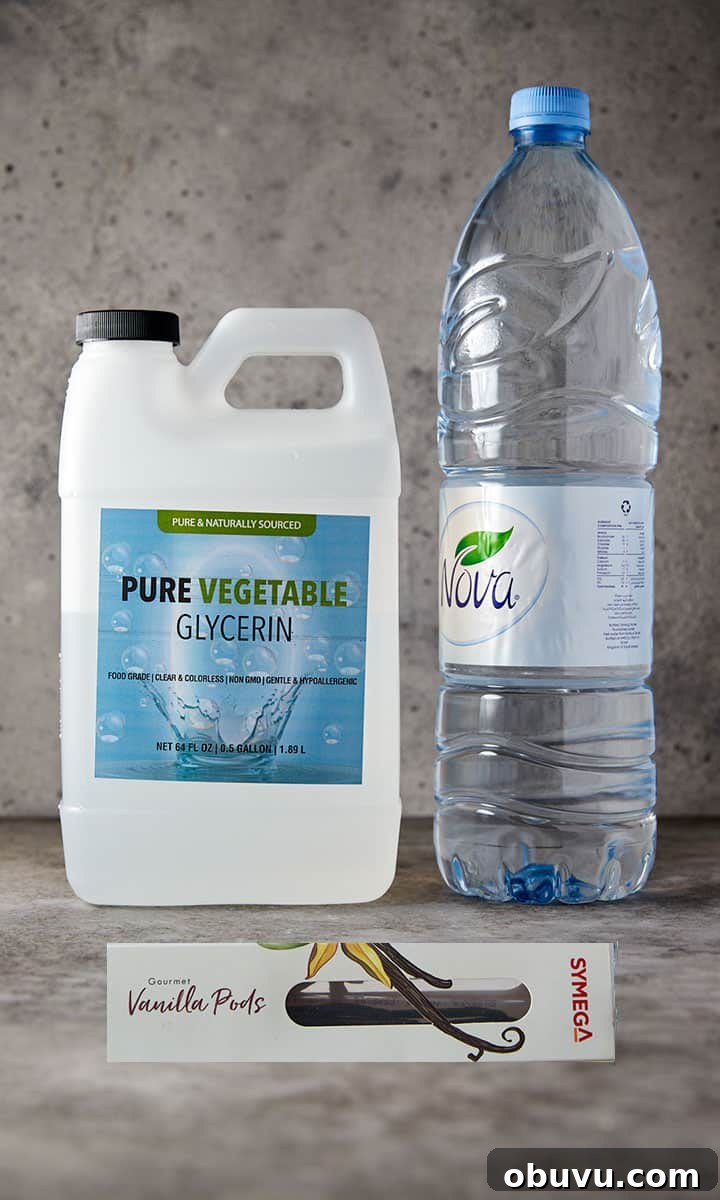
- Glycerin – Use food-grade vegetable glycerin. It’s sold online and in some health-food stores. Make sure it’s labelled food-grade for safe consumption.
- Vanilla pods – Choose the best-quality pods you can find (Madagascan and Tahitian pods have excellent flavour). Pods are an investment, so use them efficiently.
- Water – Use filtered or bottled water to avoid impurities that could affect flavour or preservation.
Please see the recipe card below for the full ingredient list and quantities.
How To Make This Vanilla Extract Recipe
This method is straightforward and mostly hands-off.
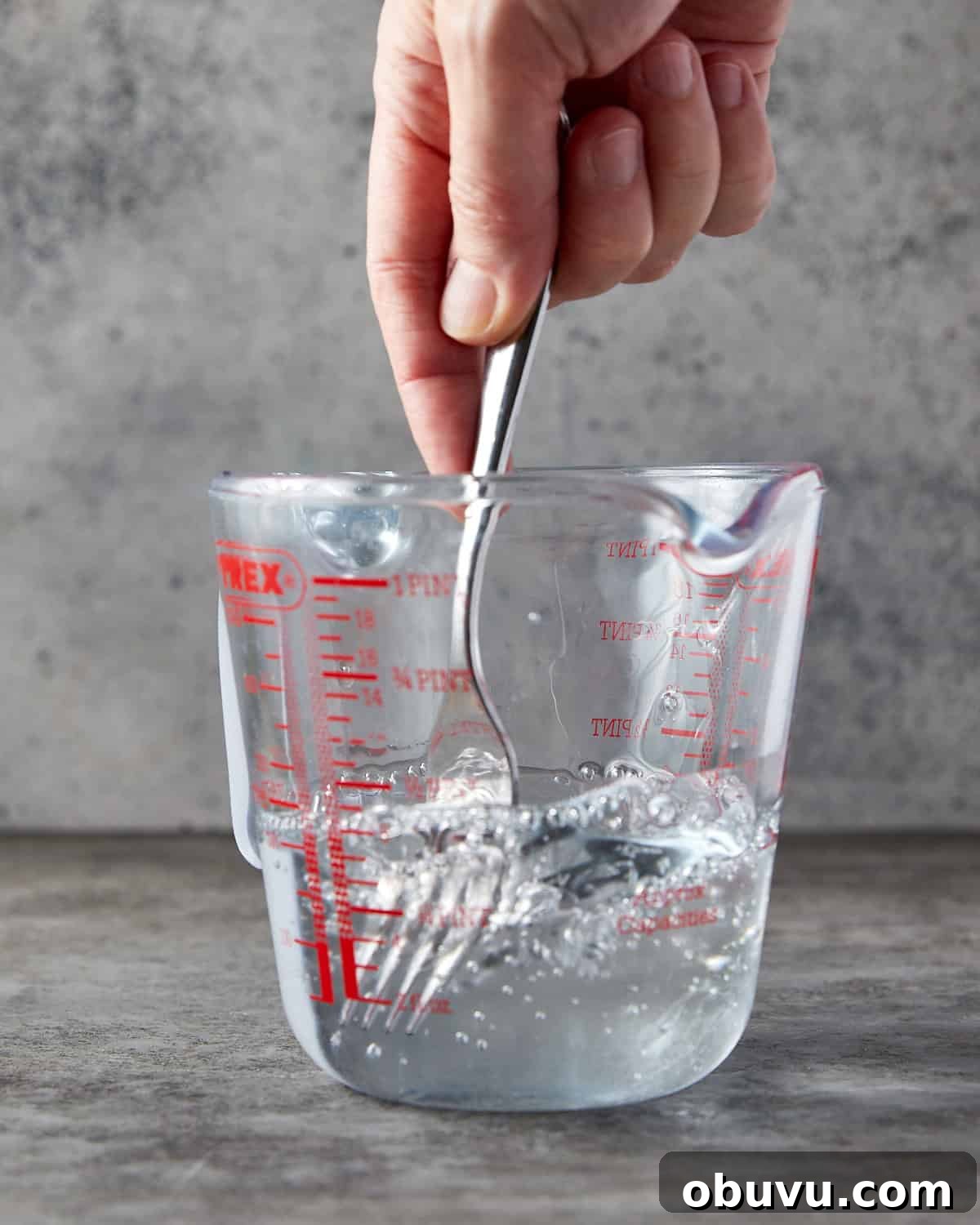
1) Stir together the glycerin and water in a jug until well mixed. Glycerin is denser, so it benefits from a thorough stir.
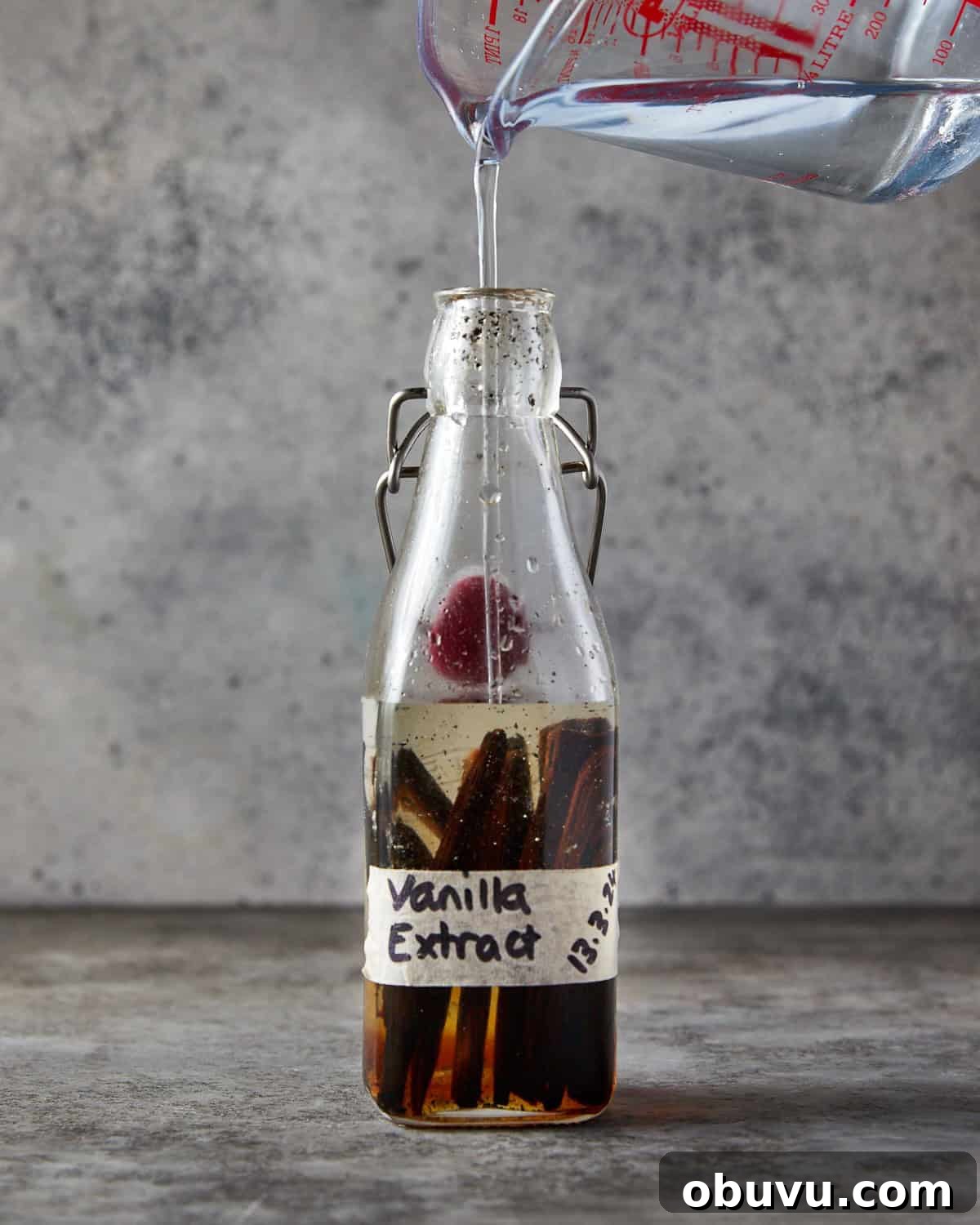
2) Slice vanilla pods lengthways from tip to tip to expose the seeds. Place the split pods into a clean, sterilized 250ml glass bottle and pour the glycerin-water mixture over them.
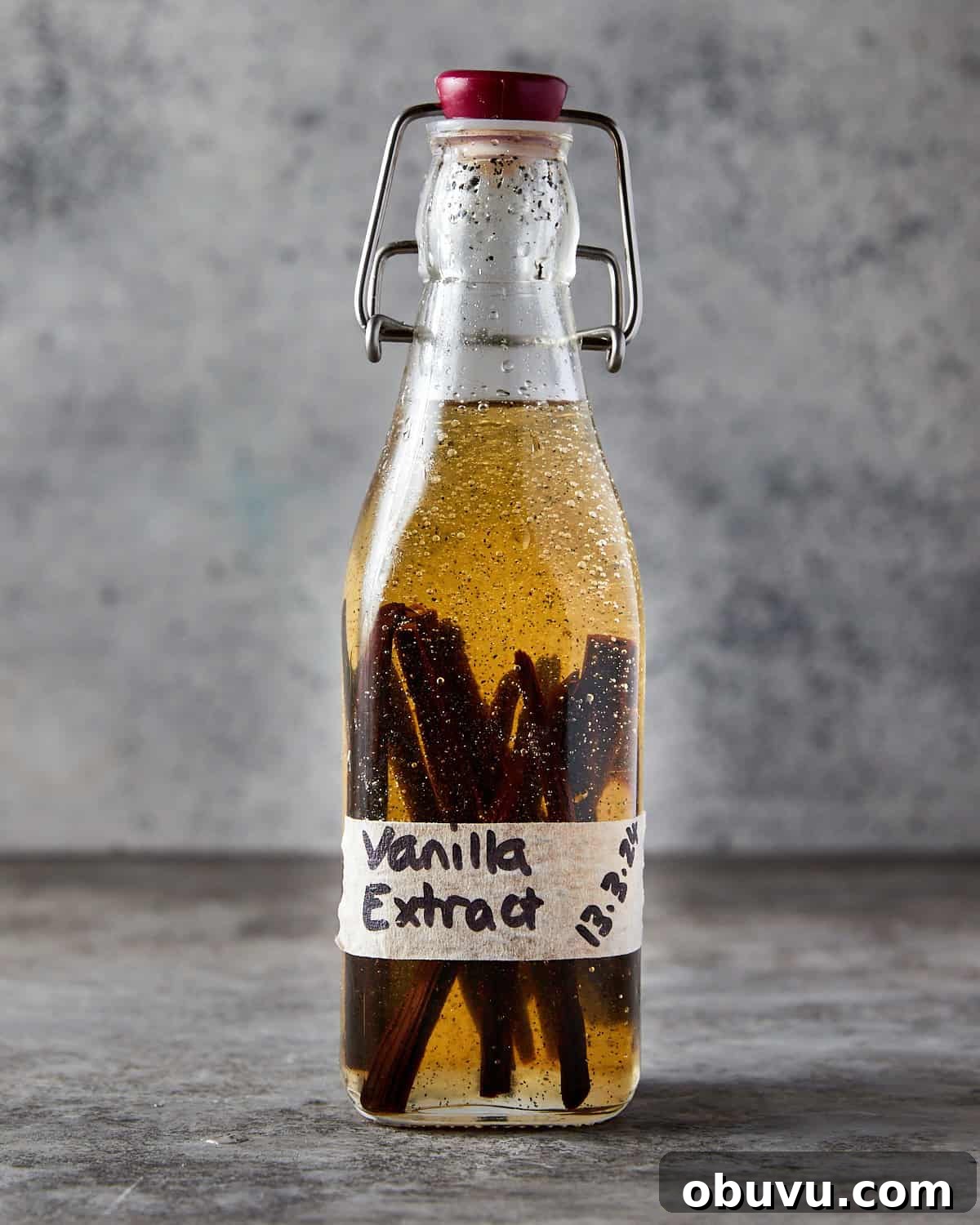
3) Close the bottle and shake well, then store it in a cool, dark place to infuse for at least two months. Shake the bottle periodically (around once a week if you can) to help distribute the flavour.
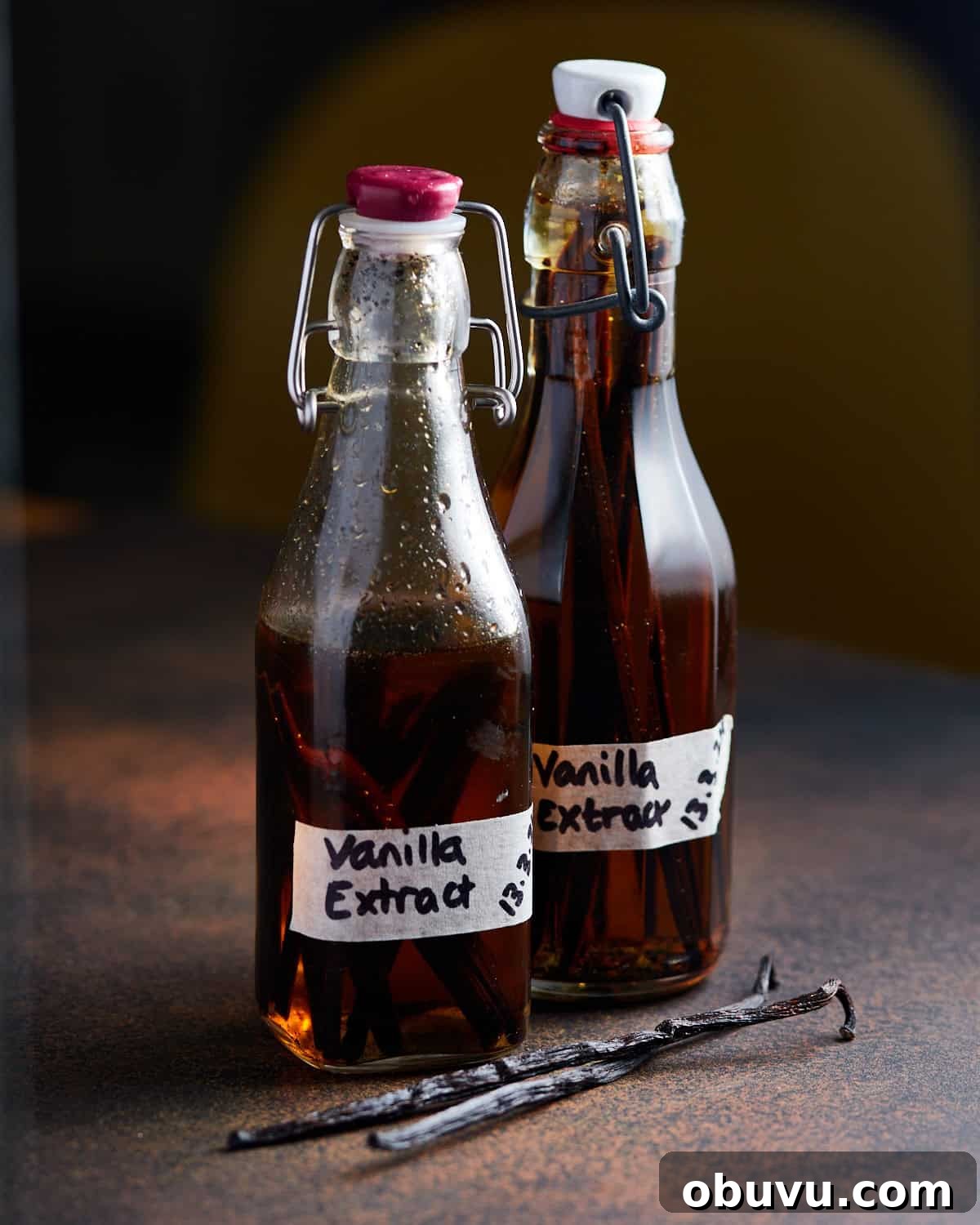
The liquid will darken over time, changing from a pale caramel to a deep brown. When it smells strongly of vanilla and the colour has deepened, it’s ready to use.
This is a summary only. Please see the recipe card at the bottom for full instructions.
Recipe Tips
- Sterilize – Sterilize bottles and lids to reduce the risk of spoilage. Wash thoroughly, then boil, steam or run through a hot dishwasher cycle.
- Batch make – Prepare two or three bottles so you can rotate them: one in use, others maturing. Refill finished bottles with new glycerin, water and a pod to keep a constant supply.
- Quality – Better pods give better flavour. Use fresh, high-quality vanilla beans for best results.
- Expose the seeds – When slicing pods lengthways, scrape any seeds back into the pod so they stay in the bottle and contribute flavour.
- Lie bottles on their side – As bottles become partially empty, laying them on their side helps keep pods submerged and prevents drying or mould risk.
How To Use Homemade Vanilla Extract
After two months or more of infusion, use this extract the same way you would store-bought vanilla extract. Glycerin-based extract is a bit less concentrated, so you may need to use more. A common adjustment is 1 tablespoon of this homemade extract in place of 1 teaspoon of alcohol-based extract, but adjust to taste. Use it in cakes, cookies, frostings, custards, creams and other desserts.
Homemade vanilla extract also makes attractive, useful gifts — small bottles of high-quality extract are always appreciated by home bakers.
Variations
You can use the same glycerin-and-water base to make other alcohol-free extracts. Keep the 3:1 glycerin-to-water ratio and substitute other flavouring ingredients:
- Coffee extract – add 1/4 cup whole coffee beans.
- Rose extract – add 1/4 cup dried, edible rose petals (washed and dried).
- Almond extract – add about 1/4 cup (35g) roughly chopped almonds to release oils.
- Orange extract – add zest from 1–2 washed oranges.
- Raspberry extract – add 1/4 cup frozen raspberries.
These glycerin extracts can flavour baked goods, ice creams, custards, and non-dairy creams such as coconut or cashew cream.
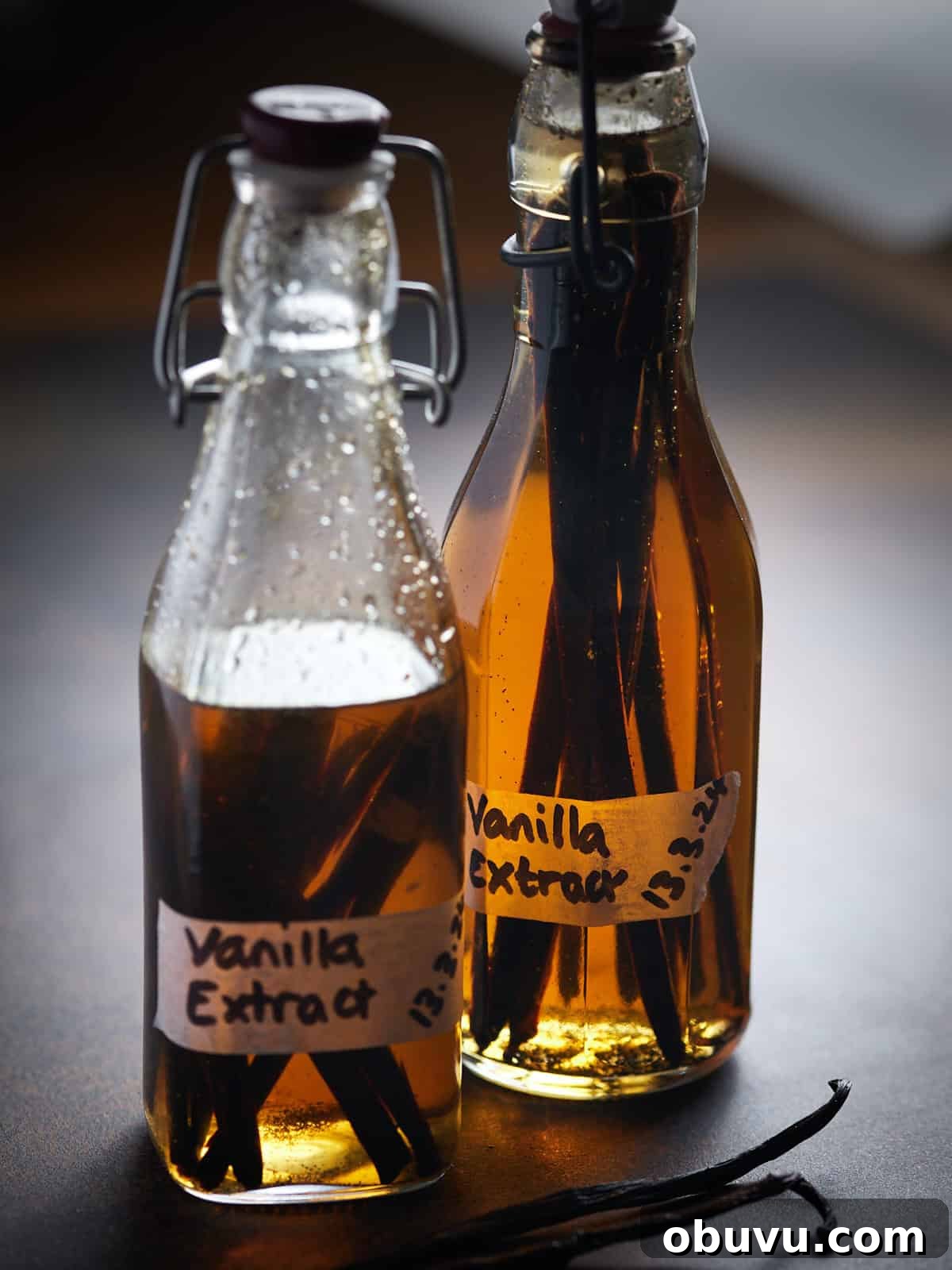
Replenishing Your Vanilla Extract
When a bottle is nearly empty, replenish it instead of discarding:
- Add a new sliced vanilla pod.
- Top up the liquid using the 3:1 glycerin-to-water ratio (for a 250ml bottle that’s about 180ml glycerin to 60ml water).
- Close, shake, and move the bottle back to a dark place to infuse for a few weeks until it darkens and strengthens.
Rotating two bottles — one in use and one maturing — keeps a steady supply ready to go.
Note About Bottles
Use glass bottles with airtight lids. Straight-sided bottles are easier to store on their sides when partly empty. Swing-top glass bottles (250ml / 8.5oz) are a practical choice as they are leakproof and easy to use. When sterilizing, avoid exposing plastic or rubber parts to high oven temperatures; prefer boiling, steaming or a dishwasher steam cycle.
Storage
Store in a cool, dark cupboard. The flavour improves with age; the extract will keep well for a year or longer if handled and stored properly. You can continue to use the same bottle indefinitely by topping up and adding new pods over time.
FAQs
Stored in a cool, dark place in a sterilized, airtight bottle, it can last up to a year. Regularly inspect for any signs of spoilage.
Yes. Start by substituting more of the glycerin extract for recipes calling for alcohol-based extract — many people use roughly 1 tablespoon homemade for 1 teaspoon shop-bought, and adjust to taste. The glycerin extract can taste slightly sweeter, so you may adjust sugar in recipes if desired.
Food-grade vegetable glycerin is effective at extracting vanilla compounds and has a thick, syrupy texture that holds flavour. Its mild sweetness complements sweet baking and makes it a suitable alcohol-free alternative.
Alcohol is a stronger solvent and preservative, so alcohol-based extracts tend to be more concentrated. Glycerin-based extract is a very good alternative, especially when alcohol isn’t an option. You may need to use more glycerin extract to achieve the same intensity of flavour.
📖 Recipe 📖
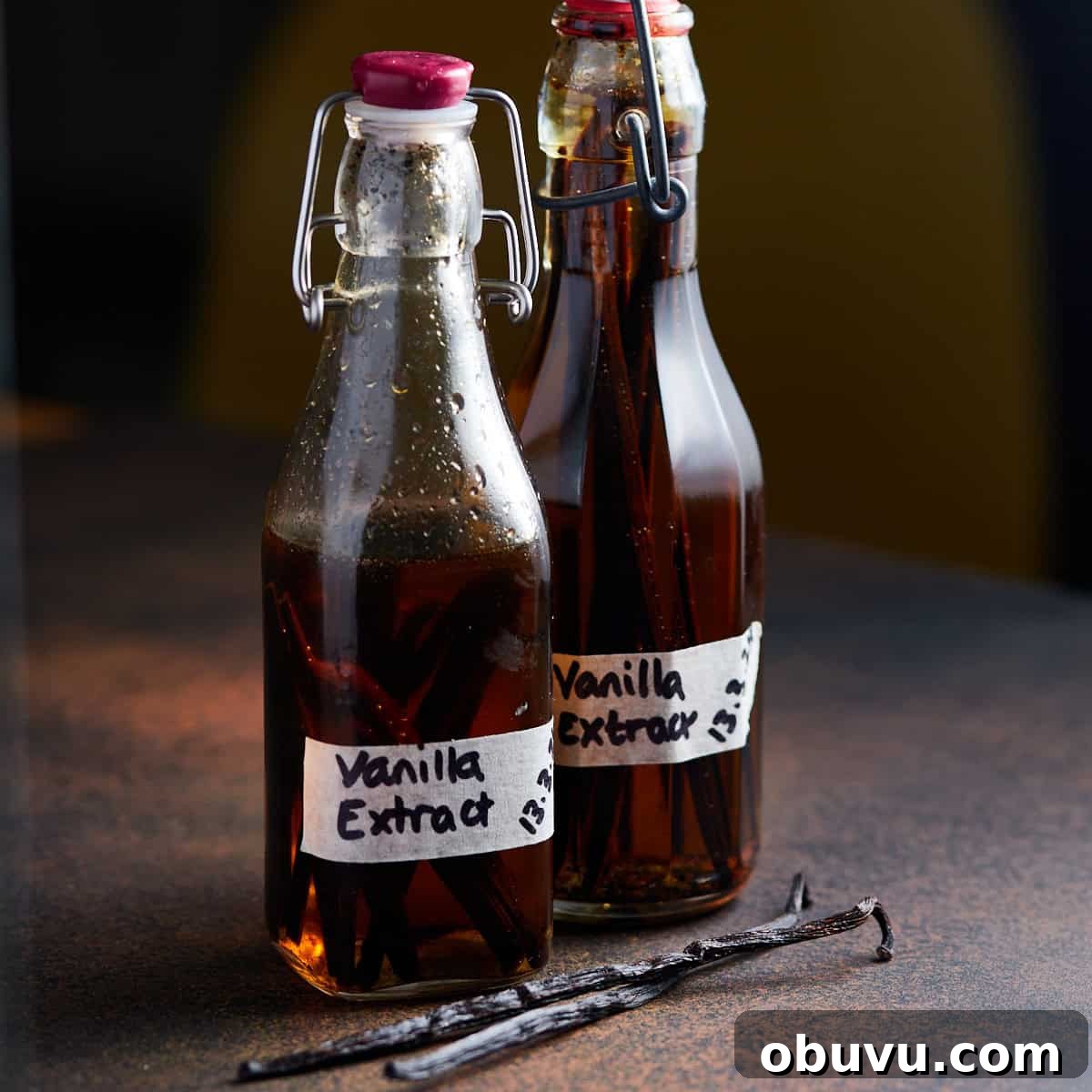
Homemade Vanilla Extract (alcohol free)
Equipment
- 1 x 250ml glass bottle (must have an airtight lid)
Ingredients
- 180 ml vegetable glycerin (food grade)
- 60 ml water (filtered or bottled)
- 3 vanilla pods
Instructions
- Slice the vanilla pods in half lengthways and place them in a 250ml sterilized bottle. Stir the glycerin and water in a jug, then pour the mixture over the pods. Close the lid and shake to combine.
- Leave in a dark place for at least 2 months to infuse. Shake the bottle about once a week for best results. The flavour will continue to develop the longer it sits.
- Store in a dark cupboard while using. When the bottle is half full, lie it on its side to keep pods submerged. Refill with a new pod and more glycerin-water mixture each time you finish it and allow another 2 months to infuse.
Notes
- Keep the 3:1 glycerin-to-water ratio to scale the recipe for different bottle sizes.
- Sterilize jars and lids to prevent bacterial growth.
- Make multiple bottles so you always have one ready while another is infusing.
- This glycerin-based extract is less concentrated than alcohol-based extract; you may need to use more in recipes (about 1 tablespoon homemade for 1 teaspoon store-bought as a starting point).
Nutrition
Serving size: 5 ml
If you enjoy this recipe, consider leaving a rating on the recipe card.
Recipes To Make With This Vanilla Extract
Here are some favourites to try with your homemade vanilla extract:
- Amazing Vegan Chocolate Truffle Recipe (Easy No Roll!)
- Stem Ginger Biscuits (Vegan & Gluten-Free Gingernuts)
- Chocolate Beetroot Brownies (vegan and gluten-free)
- Vegan Ginger & Silken Tofu Cheesecake (No Bake)
If you enjoy the recipe, follow the author on social media or subscribe for updates.