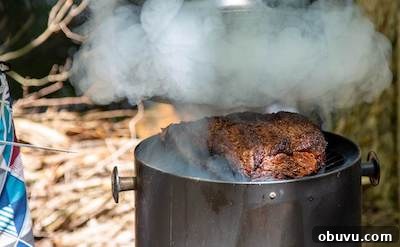
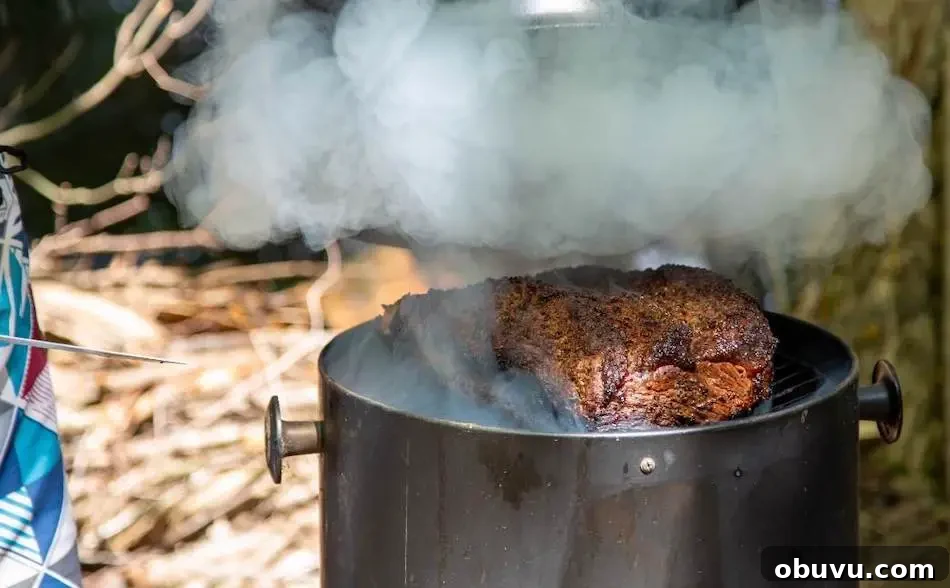
If your brisket tastes bitter from too much smoke, it can be difficult to rescue the whole cook. Prevention is far easier than salvage. Understanding how smoke behaves, managing your fire, and following a few fundamental steps will keep your brisket from becoming over-smoked. Below are practical guidelines based on smoking science and common pitmaster practice to help you avoid bitter meat and produce consistent results.
Always maintain good ventilation by leaving the top vent partially open. Proper airflow prevents smoke from lingering on the meat and reduces creosote buildup. Avoid producing excessive smoke by using only the amount of wood you need. Strong woods like mesquite and hickory can deliver powerful flavor but can also overpower or make meat bitter if used too heavily. Aim for a clean fire and a thin, blue-tinged smoke; never expose your brisket to thick, black smoke.
Key Points
- Ensure your smoker has adequate ventilation by always leaving the top vent open.
- Use caution with mesquite and hickory—they produce strong smoke that can overpower or make meat bitter.
- Aim for thin, blue-tinged smoke; avoid black, sooty smoke.
- Balance smoke with rub, salt, and the natural flavor of the meat so no single element dominates.
- Wrap (foil or butcher paper) once the bark forms to retain moisture and limit further smoke exposure.
- Create steady airflow by managing vents correctly.
- Use only a few chunks of wood to get the smoke rolling—less is often more.
- Prefer seasoned smoking wood; avoid green or resinous woods and any treated or painted lumber.
Get The Flavor Balance Right
A well-smoked brisket is the sum of smoke, rub, salt, the meat’s natural flavor, and any marinade. Smoke should complement, not dominate. Powerful woods such as mesquite and hickory can overwhelm other flavors if used excessively. Brisket can tolerate more smoke than delicate cuts, but prolonged exposure to strong smoke will mask rub and meat taste. Use milder woods or blends if you want a more balanced profile.
Foiling Your Brisket – Shield Your Meat
Wrapping a brisket during the cook is standard practice. Wrapping (in foil or unwaxed butcher paper) preserves moisture and helps prevent excess smoke from continuing to penetrate the meat. Most pitmasters wrap after a desirable bark has formed, often around 5–8 hours into the cook. Wrapping can soften the bark, but it’s a reliable method while you’re mastering the basics.
Create Good Airflow – Open Your Vents
Every smoker has a top vent or chimney—leave it open at least a quarter to allow stale smoke and combustion gases to escape. Proper ventilation draws fresh smoke across the meat and out the chimney. On kettle grills, orient vents above the meat and opposite the fire to maximize clean smoke exposure where it matters most.
Don’t Use Too Much Wood
Resist the temptation to pile on wood. Brisket needs a steady, moderate flow of smoke, especially during the early stages of the cook. For charcoal smokers, two or three well-placed chunks are usually enough to maintain good smoke without overwhelming the meat. Add more wood only if needed—smoke is most impactful before the meat is wrapped; after wrapping, it has little effect.
Mesquite – Use With Caution
Mesquite offers a bold, distinct flavor and is popular in some regions, but it’s one of the strongest smoking woods. If you use mesquite for too long, it can dominate the brisket’s flavor. Consider blending it with milder woods or limiting its use to shorter periods if you want the meat’s natural and rub flavors to still shine through.
Use Smoking Wood Only
For predictable, safe results use seasoned, purpose-sold smoking wood from reputable sources. Avoid green or damp wood and any resinous species like pine or spruce. Never use scrap or treated wood that may contain chemicals or paint; these can taint or even contaminate your food.
Bad Smoke Equals Creosote
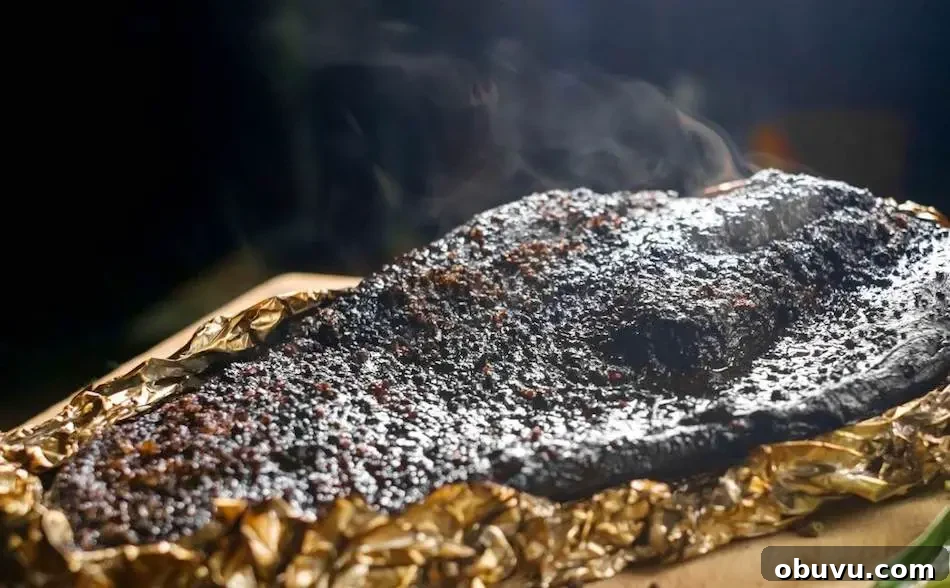
Exposure to heavy, dirty smoke can result in creosote forming on the meat. Creosote is a sticky, oily residue that tastes bitter and unpleasant. Once creosote is embedded in the bark, it’s difficult to remove entirely.
How To Avoid Creosote
Prevent creosote by keeping a clean, well-ventilated fire and maintaining steady airflow. If vents are too closed, smoke will pool around the meat and deposit creosote. Good combustion and regular monitoring of your fire will drastically reduce the risk.
What To Do if Your Brisket Has Creosote?
If creosote appears, open vents immediately and stop adding wood so the smoke clears. If the outer layer is significantly affected, carefully trim away the darkest, most affected bark. Trimming sacrifices some crust and rub but can make the meat more palatable.
Want Clean Smoke? Clean Your Smoker
A dirty smoker can generate poor-quality smoke. Grease and ash buildup increase the chance of flare-ups and dirty smoke that spoils flavor. Clean your smoker regularly—many pros do a partial clean before each cook and a deeper clean every few cooks. Remove ash, scrape grates, and clear grease to maintain a steady, clean-burning fire.
How To Save Your Over-Smoked Brisket
If the brisket has an unpleasant, smoky bite, trim the outer layer where the smoke is most concentrated. Slice thin so each bite contains less of the affected edge. Serving the meat in sandwiches with coleslaw or a tangy vinegar-based sauce can help mask residual bitterness. Strong condiments like chili or a sharp vinegar sauce will divert attention from any lingering off-flavors more effectively than a mild, sweet sauce.
How To Get The Thin Blue Smoke
Thin blue smoke is the hallmark of a well-managed fire. When you first light the smoker there may be thick white smoke—wait until that clears and the fire stabilizes before adding your brisket. The ideal smoke is a faint, blue-tinged vapor that indicates clean combustion. Achieving this consistently takes practice; once you find a method that works, repeat it and only change one variable at a time when experimenting.
When To Add Wood – Get The Timing Right
Don’t add wood too early or it will burn off before the cook begins. Heat the smoker, stabilize the temperature, then add a few chunks of wood shortly before placing the brisket inside. This ensures fresh, usable smoke during the critical early stages of cooking.
What the Experts Say
Top pitmasters emphasize using the woods you have access to and combining varieties to achieve balanced flavors. Common recommendations include hickory and oak for beef and pork, mesquite sparingly for beef if you want a bold profile, and fruit woods like apple or cherry for lighter proteins. Experiment in small increments to discover what works best for your tastes and equipment.
My Favorite Brisket Tools
Tools that help consistency include a reliable meat thermometer with multiple probes, an instant-read thermometer for spot checks, butcher paper for wrapping, and a quality injector if you choose to boost flavor and moisture. Keep your smoker clean, use seasoned smoking wood, maintain good airflow, and practice patience—those steps will improve nearly every brisket you cook.