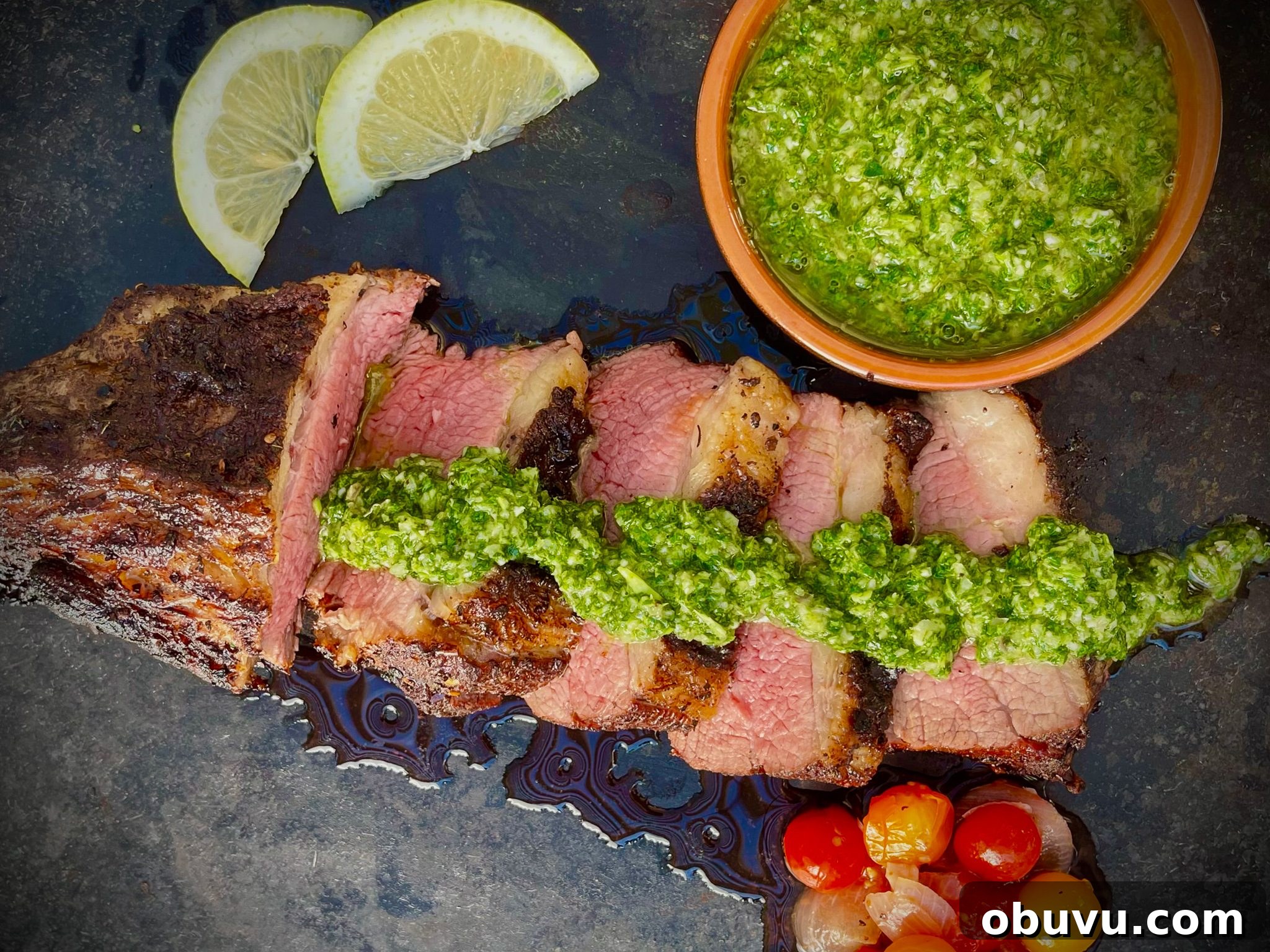
The first time I tasted a truly memorable chimichurri was on a family trip through Brazil and Argentina. We visited many churrascarias, but one stood out: the restaurant had an open room where large cuts of meat hung on racks and roasted slowly over smoldering logs. Watching the juices drip and the meat caramelize through the window was irresistible.
That meat was served with chimichurri, the classic Argentine condiment made from fresh parsley, oregano, garlic, olive oil, vinegar and red pepper flakes. Chimichurri pairs beautifully with grilled beef, pork ribs, salmon, shrimp, sausages, empanadas, and savory pies. I recently served this version with pork ribs and it was fantastic.
This recipe is a slight variation on the traditional version: it includes diced shallots for a bit of crunch and uses fresh lemon juice instead of red wine vinegar for a brighter, more refreshing flavor.
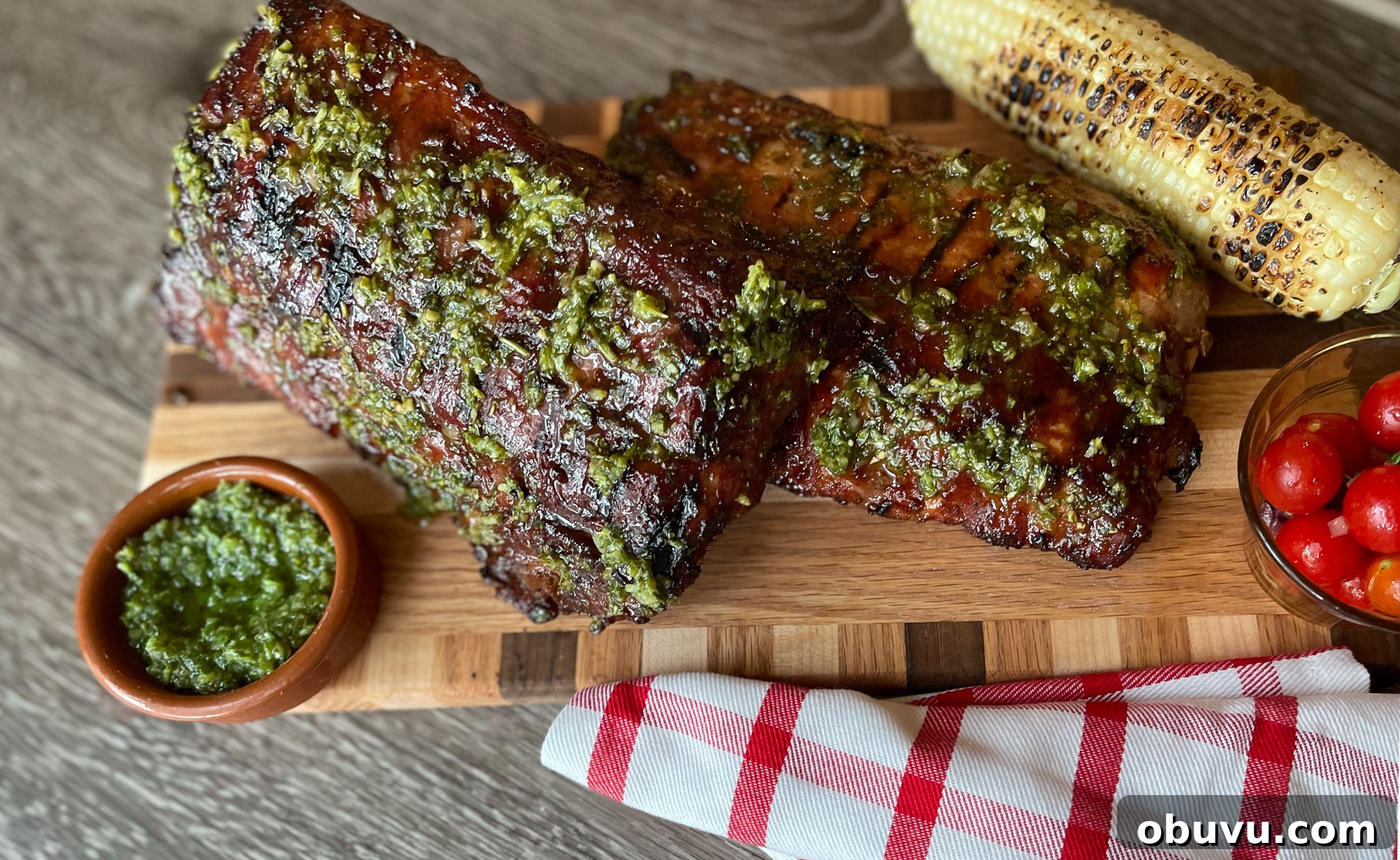
chimichurri sauce with pork ribs
Tips for making chimichurri sauce.
Chimichurri is very adaptable. Make it spicier by adding fresh chilies or red pepper flakes, or increase the lemon juice for a tangier profile. Below are a few practical tips to help you get the texture and balance you prefer.
Herbs.
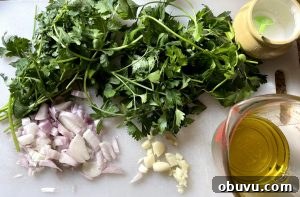
The foundation of this chimichurri is flat-leaf parsley and cilantro. I also add garlic and shallots. Optional additions include fresh oregano, basil or thyme if you want more herbal complexity.
Lemon juice.
Rather than the traditional red wine vinegar, I use fresh lemon (or lime) juice. It gives the sauce a livelier, more citrus-forward brightness.
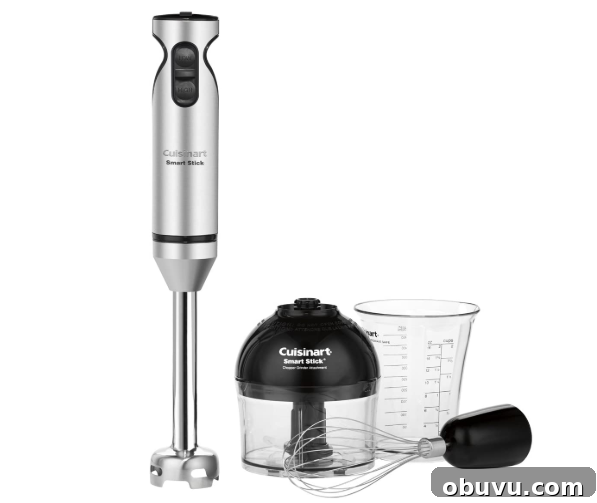
Personal chopper.
For small batches, the chopping attachment on an immersion blender or a personal blender works well. A food processor is also a great option for larger quantities.
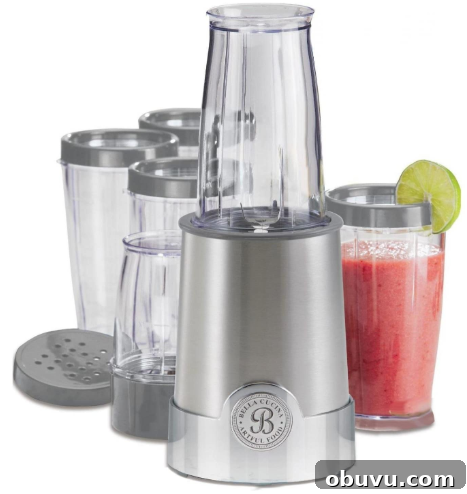
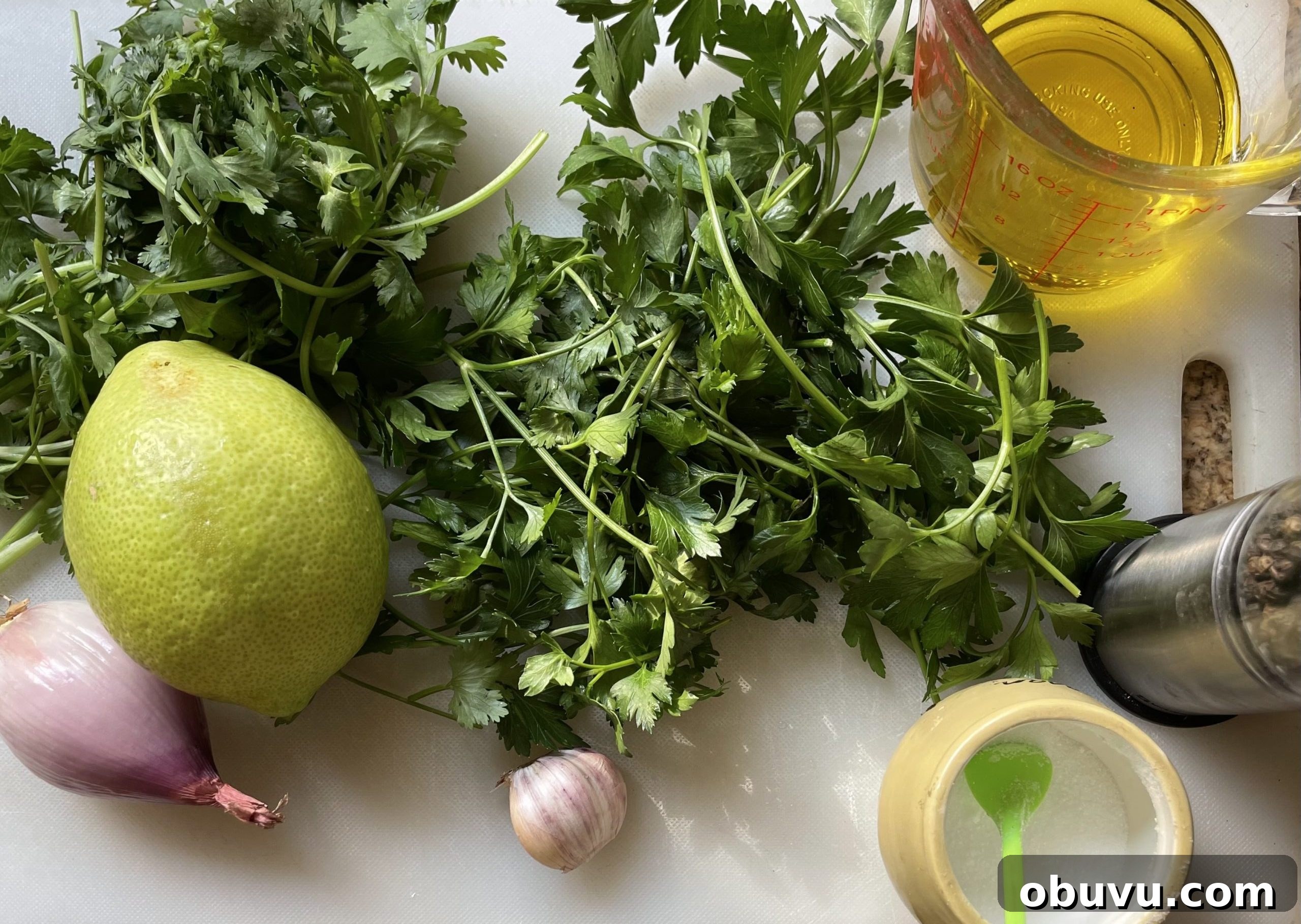
Ingredients for chimichurri sauce
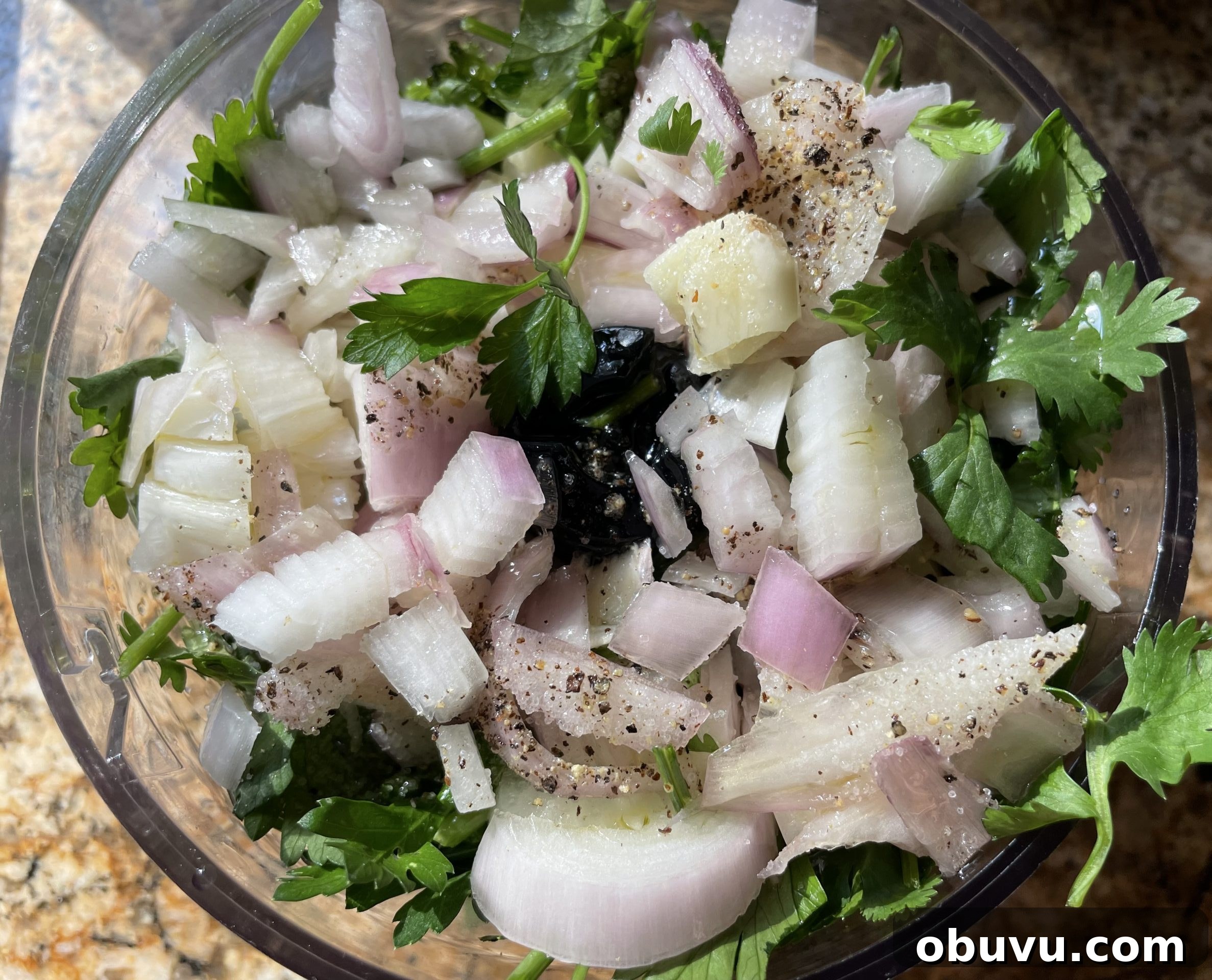
When processing the herbs, include the lemon juice in the blender with the cilantro. The acid helps slow oxidation and keeps the greens vibrant for longer.
Shallots and garlic.
I prefer shallots to regular onions because they are milder. Dice the shallots and garlic first so they break down evenly in the chopper; this prevents over-pureeing the herbs. You can also pulse the herbs and aromatics separately if you prefer a chunkier texture. The finished chimichurri should be a loose, herb-packed sauce—not a smooth puree.
Olive oil.
Blend half the olive oil with the herbs and aromatics to give the mixture enough liquid to chop properly. After pulsing/blending, stir in the remaining oil by hand. If you blend all the oil in at once, the mixture can become too emulsified and thick—closer to a paste. Adjust the oil amount to reach your preferred consistency.
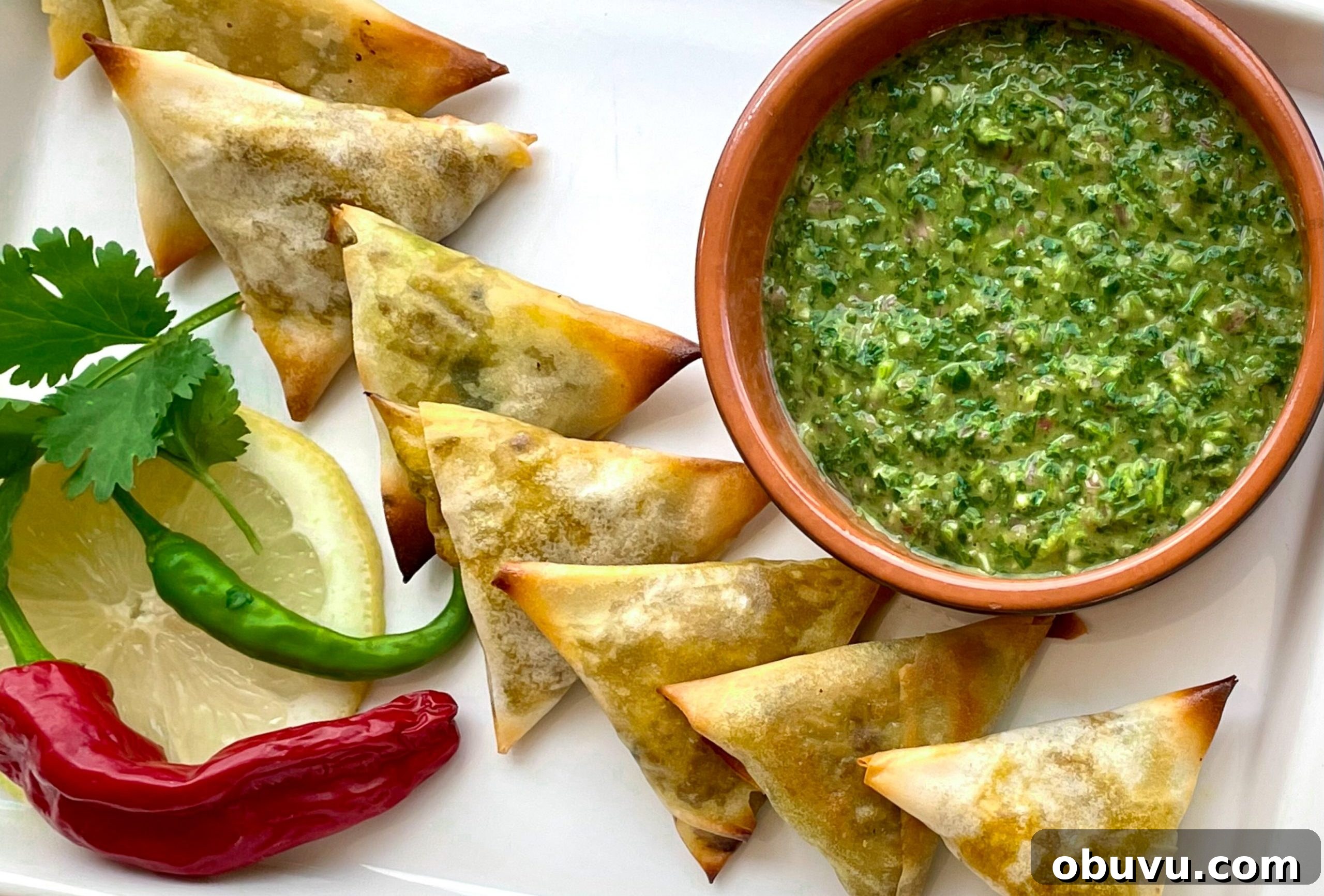
Chimichurri sauce with samosas!
Enjoy this versatile sauce with savory pies, grilled meats, empanadas, samosas or whatever you like to top with a bright herb sauce. Let me know in the comments what you tried it with.

CHIMICHURRI SAUCE
Michelle Sam
Pin Recipe
Equipment
-
Personal blender
Ingredients
- 30 g fresh parsley
- 30 g cilantro
- ½ cup olive oil
- 2 Tbsp juice of fresh lemon or lime
- 1 clove fresh minced garlic
- 60 g fresh diced shallots
- 1 tsp fresh herbs oregano, basil, thyme
- ⅛ tsp sea salt to taste
- ⅛ tsp fresh ground pepper to taste
Instructions
-
Dice shallots into large pieces

-
Juice lemon or lime
-
Add all ingredients and half the olive oil into a small chopper or personal blender
-
Blend until herbs are chopped but not pureed
-
Stir in the remaining olive oil
-
Season with salt and pepper to taste