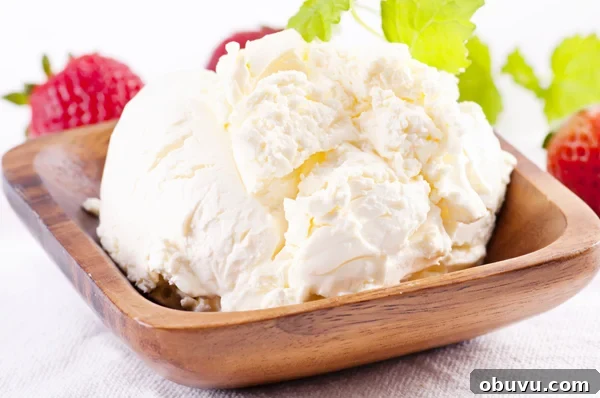
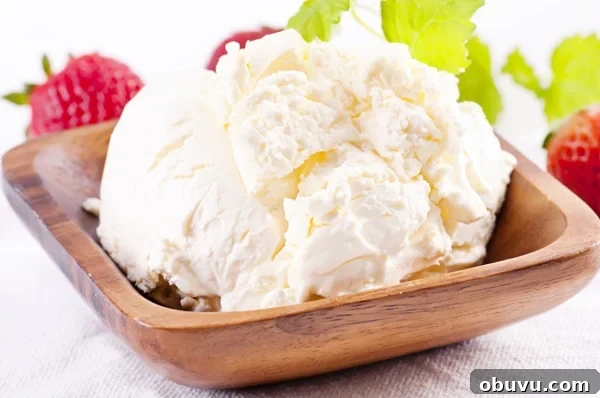
Ricotta is a staple of Italian cooking, appearing in everything from appetizers to desserts. Technically a dairy product rather than a true cheese, ricotta is made from the whey left over after curds are removed during cheesemaking. Its name comes from the Italian word for “recooked,” reflecting the traditional method of reheating whey and straining the solids to produce the delicate curds.
Although ricotta can be made from any milk, in southern Italy it is often made from sheep’s or goat’s milk. For home cooks, whole cow’s milk is widely used and produces a mild, creamy ricotta. Making ricotta at home is straightforward: you need milk and an acid to form curds. Below are three reliable methods using different acids—citric acid, vinegar, and buttermilk—plus tips on uses and varieties.
I use homemade ricotta in dishes like lasagna and ricotta gnocchi; fresh ricotta also makes a simple, elegant dessert when sweetened with sugar and lemon zest and served with fresh berries. Homemade ricotta keeps for up to a week in the refrigerator and can be frozen. Avoid low-fat milk for best results—whole milk yields a creamier, whiter product. For an even richer ricotta, substitute part of the milk with heavy cream when the recipe calls for it. For best flavor and texture, use a good-quality whole organic milk.
Method One (Yields 1 3/4 to 2 pounds)
1 gallon whole milk
1 1/2 teaspoons citric acid
1 teaspoon salt
In a heavy, non-reactive pot, combine the milk, citric acid and salt. Gently heat to 195°F, stirring occasionally to prevent scorching. When curds separate from the whey, remove from heat and let rest for 15 minutes. Line a colander with two layers of cheesecloth and pour in the mixture. Allow the ricotta to drain for about an hour, or longer if you prefer a drier texture. Transfer to an airtight container and refrigerate for up to a week.
Method Two (Yields about 3 1/2 cups)
1 gallon whole pasteurized milk
1/3 cup white distilled vinegar
1 teaspoon salt
Warm the milk in a heavy, non-reactive pot to 185°F. Remove from heat and gently stir in the vinegar and salt; curds will form immediately. Cover and let sit for about 2 hours to let the curds fully develop. Line a colander with cheesecloth, pour in the mixture, and let it drain for one to two hours depending on how moist or dry you want the ricotta. Store in an airtight container in the refrigerator for up to one week.
Method Three (Yields 1 to 1 1/2 pounds)
1 gallon whole milk
1 quart buttermilk
Combine the milk and buttermilk in a heavy, non-reactive pot and heat to 180°F, stirring occasionally. Remove from heat and allow the mixture to sit for 30 minutes so the curds can form. Line a colander with two layers of cheesecloth, pour in the curds and whey, and let drain for one to two hours until the desired consistency is reached. Store the finished ricotta in an airtight container in the refrigerator.
Note: The whey that drains off is a useful by-product; it can replace buttermilk or sour milk in baking recipes.
Types of Ricotta
- Fresh Ricotta: Lumpy, soft, and slightly sweet, fresh ricotta is ideal for fillings and desserts. Sheep and goat versions tend to be nuttier and sweeter, while cow’s milk ricotta is milder. Fresh, premium ricotta is preferable when available.
- Ricotta Forte: From Puglia, this version is salted, aged, and worked to remove liquid, resulting in a yellow cheese with a strong, pungent flavor.
- Ricotta Romana: Cooked a little longer for a firmer, more compact texture suited to both savory and sweet preparations.
- Ricotta Infornata: A Sicilian baked or dried ricotta that is salted and often finished with cracked black pepper for a firm texture.
- Ricotta Salata: A salted, aged, firm ricotta that is excellent grated over pasta, crumbled on salads, or added to sautéed vegetables.
Tips for Using Ricotta
- If your ricotta seems watery, drain it in a strainer over a bowl in the refrigerator for an hour before using—especially important for fillings.
- For a simple spread, mix 2 cups ricotta with 4 tablespoons honey and 1 teaspoon cinnamon to serve on toast or quick breads.
- Sweeten ricotta with honey or powdered sugar and serve with fresh fruit for an easy dessert.
- Fold 1/2 cup ricotta into a spicy tomato-meat sauce to add creaminess and mellow the heat.
Deborah Mele
Revised January