5 Foods to Keep When You Diet! As a dietitian, I often hear about foods people think they must avoid when trying to lose weight. But dieting doesn’t have to mean strict deprivation. Deprivation usually undermines long-term success. At AppforHealth we promote balance, variety, and a sustainable approach to eating. Many foods end up on the “don’t” list without good reason. Below are five foods you can include in a sensible slimming plan — in moderation and paired with portion control and nutrient-rich choices.
Pasta 
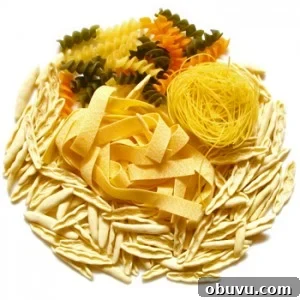
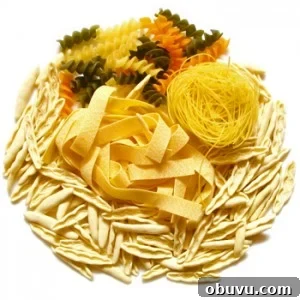
Evidence shows that reducing calories, not carbohydrates alone, is the key to weight loss. Most long-term studies find no major difference in weight loss between low-carb and higher-carb diets when calorie intake is similar. Pasta can be a satisfying, nutritious base for meals—especially when combined with fiber-rich vegetables and legumes, heart-healthy fish or oils, or lean protein like poultry. For a portion-controlled plate, aim for about 1 1/2 cups cooked pasta, 1 cup of vegetables, and 4–6 ounces of fish or poultry.
Potatoes
Recent research shows you can include potatoes and still lose weight. In a 12-week reduced-calorie study where participants ate five to seven servings of potatoes per week, everyone lost weight. Potatoes are filling, low in calories for their volume, and provide nutrients like potassium and vitamin C. A medium potato has roughly 110 calories. Make them more nutritious by adding vegetables and a small sprinkle of Parmesan, or enjoying them baked rather than fried.
Fruit
Fruit should not be off-limits when trying to slim down. Although some fad diets discourage fruit because of natural sugars, a large review in Obesity Reviews examining multiple studies found that fruit consumption is associated with lower body weight. Whole fruit contains water and filling fiber, and it tends to raise blood sugar much less than refined sugars. Aim for about three servings of fresh fruit per day as part of a balanced eating pattern.
Peanut Butter
While peanut butter is calorie-dense, moderate amounts can help control hunger and support weight management. Research indicates that women who eat nuts or peanut butter at least twice weekly are less likely to be obese and tend to gain less weight over time. Nuts and nut butters provide protein and fat that prolong feelings of fullness—lasting up to a couple of hours longer than a carbohydrate-only snack. Keep portions sensible: about 2 tablespoons (roughly the size of a golf ball) per serving.
Chocolate
Enjoy chocolate with caution and in small amounts. Allowing an occasional treat can prevent feelings of deprivation that lead to overeating. Some people can eliminate a favorite food entirely, but for many, small, planned indulgences are more sustainable. Studies suggest chocolate is one of the most commonly and intensely craved foods; attempting to suppress cravings entirely can increase consumption later. A small portion savored slowly is often enough to satisfy cravings without derailing progress.
In short, successful weight management is about overall calorie balance, food quality, and sustainable habits — not strict bans. Incorporate these foods thoughtfully, focus on portion sizes, and pair them with vegetables, lean protein, and whole grains to create balanced meals that support long-term success.
Written by:
Julie Upton, M.S., R.D., CSSD
Co-Founder, Appetite for Health