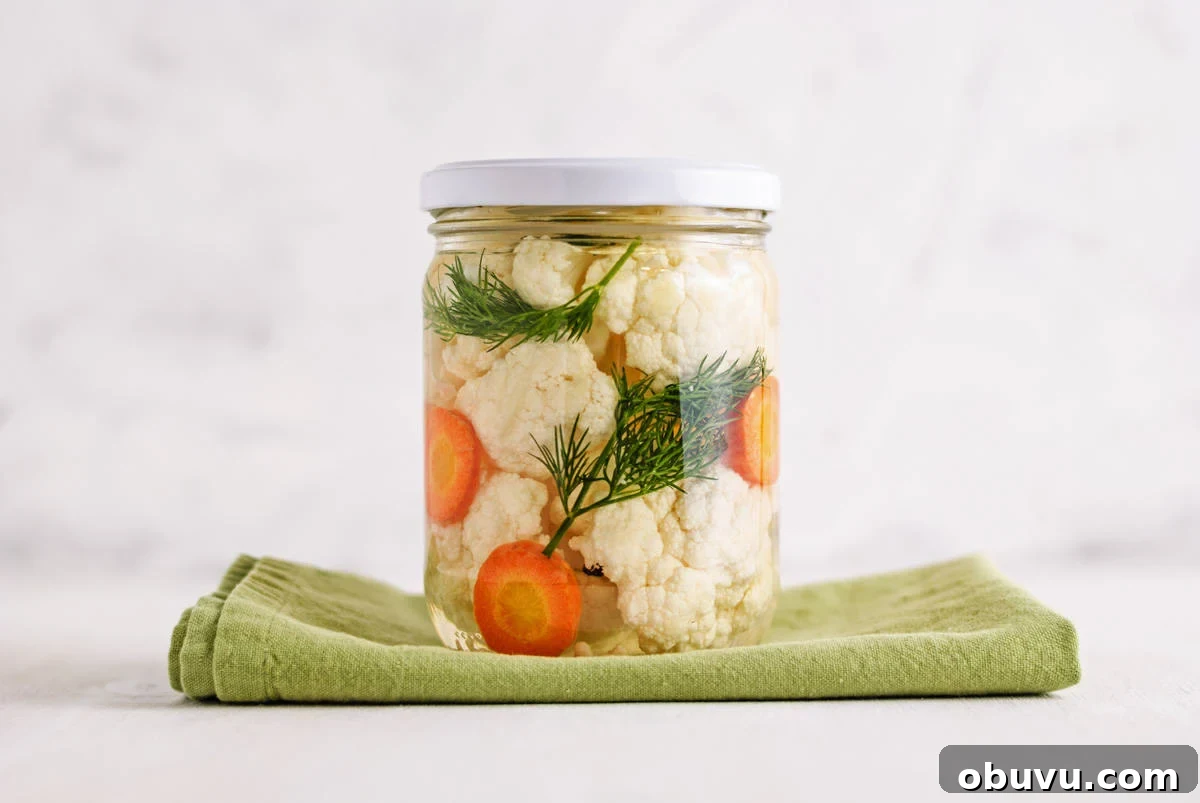
Fermentation is an ancient culinary practice that delivers notable health benefits and transforms the flavor and texture of foods and beverages. What began with simple, improvised tools has evolved into a hobby supported by purpose-built supplies that make the process easier, safer and more consistent. Below is a streamlined, practical guide to the top fermenting supplies to help you get started and succeed.
These ten essential items will simplify small-batch experiments, improve results and reduce common frustrations. Tips and basic troubleshooting are included so you can approach fermentation with confidence.
Why ferment food?
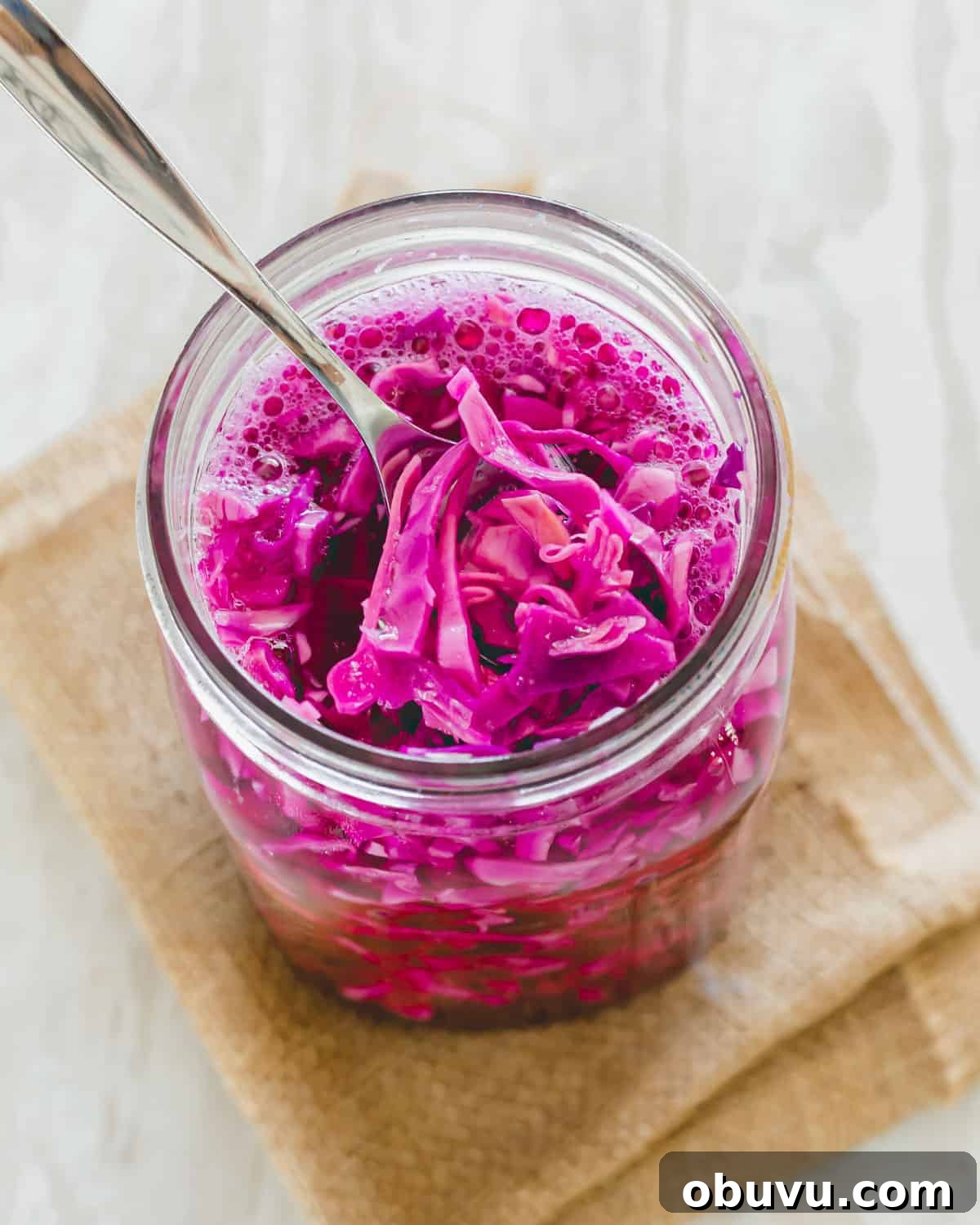
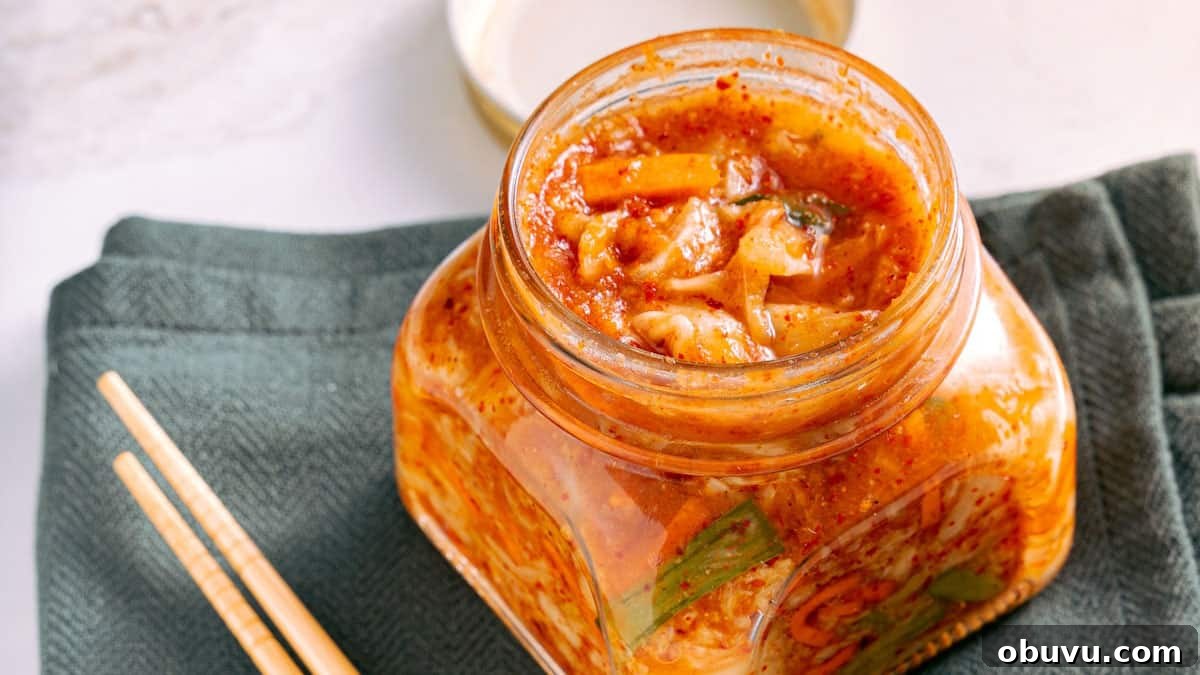
Fermenting breaks down hard-to-digest compounds and some anti-nutrients, increases bioavailability of nutrients and preserves food naturally. Fermented foods are also a convenient source of natural probiotics, which can support digestion and immune health without needing supplements. Common examples include yogurt, pickles, kimchi and kombucha.
Top 10 fermenting supplies
Whether you plan to ferment vegetables, fruits or other ingredients, investing in a few reliable tools will increase your chances of consistent, safe results. Below are ten practical supplies to consider.
1. Wide-mouth glass jars
Wide-mouth mason jars are versatile, non-reactive and easy to clean. Their wider opening makes packing and accessing ferments simpler, and they accommodate expansion during active fermentation. These jars are ideal for pickles and small-batch ferments.
2. Kitchen scale
Accurate measurements are crucial when following recipes or calculating salt-to-vegetable ratios. A digital kitchen scale helps you weigh produce and salt precisely, improving consistency across batches and reducing guesswork.
3. Airlocks
Airlocks allow carbon dioxide to escape while preventing oxygen and airborne contaminants from entering the vessel. They create an anaerobic environment that minimizes mold risk and often remove the need for manual “burping” of jars during primary fermentation.
4. Weights
Fermentation weights keep vegetables fully submerged beneath the brine so lactic acid bacteria can create the desired acidic environment. Proper submersion is one of the most important steps to avoid spoilage and ensure even fermentation.
5. Fermenting crock
Stoneware crocks provide a durable, non-reactive container for larger or longer ferments. Their design often includes features that help maintain anaerobic conditions and can be easier to work with for batch fermentations compared to individual jars.
6. Canning funnel
A canning funnel prevents spills and helps you pack produce neatly into jars, especially when dealing with small items like berries or cherry tomatoes. It reduces mess and speeds up the filling process.
7. Vegetable tamper or crusher
A tamper, stomper or pounder compacts vegetables to release juices and remove air pockets. Properly packed vegetables create brine more quickly, which supports a stable fermentation environment and better flavor development.
8. pH test strips
Monitoring acidity is an important safety check. pH test strips allow you to confirm that a ferment has reached a sufficiently low pH for preservation and safety. Tracking pH is especially helpful for beginners and for longer or time-sensitive ferments.
9. Thermometer
Temperature affects the speed and quality of fermentation. A simple thermometer helps you ensure your ferments are kept within the recommended range for the organisms you want to encourage. Avoiding extremes of heat or cold prevents off-flavors and failed batches.
10. Fermentation lids
Specialized fermentation lids and caps—sometimes with integral airlock functions—make it easy to seal jars in a way that maintains an anaerobic environment. These lids simplify the process and reduce the need for additional accessories.
Tips for fermenting success
Start small. Choose a straightforward recipe such as traditional sauerkraut or a basic kimchi to learn the workflow and timings. Assemble your tools before starting: wide-mouth jars, weights, an airlock or fermentation lid, a funnel and a tamper will cover most needs.
Use fresh, high-quality vegetables and keep your workspace clean. Follow the recipe measurements closely—especially salt ratios—and monitor your ferment for signs of proper activity, such as bubbling and mild sour aromas.
Learning from mistakes
Fermenting is a skill that improves with practice. Expect some variability between batches—temperature, produce moisture and timing all influence outcomes. Inspect each jar: unusual smells, dramatic color changes or bulging lids are signs to discard the batch. Safety should always come first, and failed batches are part of the learning curve.
Fermenting supplies FAQs
Below are short answers to common questions newcomers ask.
What’s so great about fermented products?
Fermented foods provide naturally occurring probiotics and can support digestion and immune function. They also improve flavor complexity and extend the shelf life of seasonal produce.
What is the best material for fermentation supplies?
Glass is a top choice because it’s non-reactive and easy to sanitize. Stoneware crocks are also traditional and effective. Food-grade plastics can be used, but glass and stone are generally preferred.
What are the four types of fermentation?
The main biochemical categories are alcoholic, lactic acid, acetic acid and butyric acid fermentation. Most home food ferments rely on lactic acid fermentation to produce safe, tangy results.
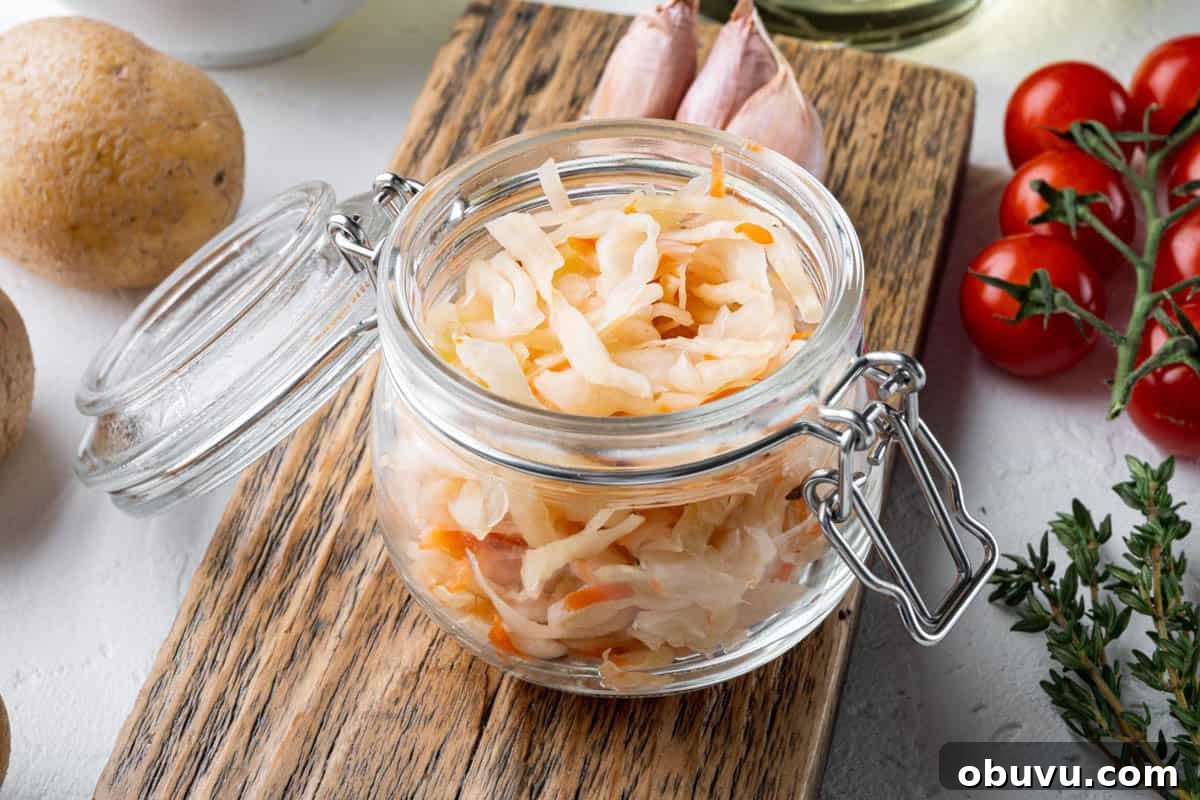
Get set for success with the right fermenting supplies
Choosing the right gear—wide-mouth jars, weights, airlocks or fermentation lids, a funnel and a tamper—creates the ideal conditions for beneficial bacteria to thrive. Optional precision tools like a kitchen scale, pH strips and a thermometer help refine your technique and ensure safe, repeatable results.
With a few reliable tools, good produce and patience, you can master basic fermenting methods and expand into more advanced recipes. Each batch is a chance to learn; over time you’ll develop a feel for what works best in your kitchen.