You’re preparing a turkey for Thanksgiving and noticed a plastic piece around its legs. What is that plastic thing?
In this guide you will learn:
- What the plastic piece in a turkey is
- Whether you should remove it before cooking
- Important turkey safety tips
- And more
Jump to Section
What is the Plastic Thing in a Turkey?
When you open a store-bought turkey you’ll often find a small plastic band around the legs. This piece is commonly called a “hock lock.” Its purpose is simple: it keeps the legs together so the bird holds a neat shape during processing and packaging.
Some turkeys also include a pop-up thermometer — a small device that pops up to indicate the bird has reached a target temperature. While usually useful, pop-up indicators are not foolproof; a proper thermometer is always the best way to confirm doneness.
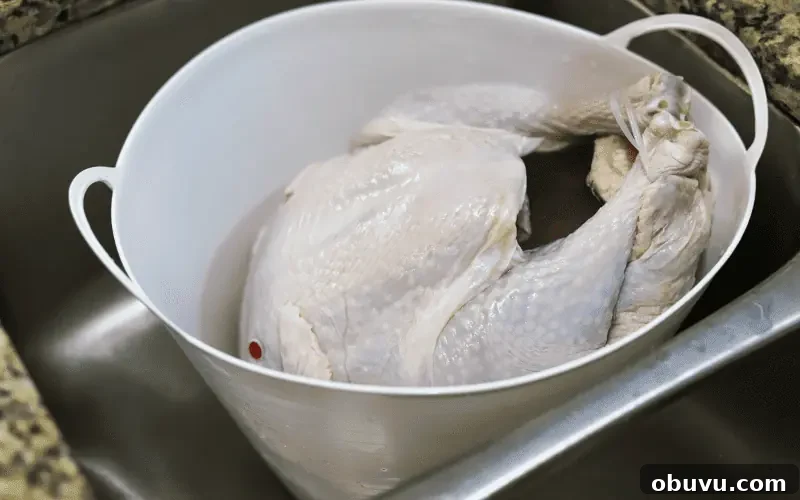
Do You Need to Remove the Hock Lock Before Cooking a Turkey?
Most hock locks are made from heat-resistant nylon and can safely remain on in an oven at normal roasting temperatures (well below 500°F). However, not all hock locks are plastic — some may contain metal components. Check the turkey packaging if you can, and when in doubt, remove the hock lock.
Any metal pieces must be removed before cooking. If you aren’t sure what the hock lock is made from, it’s safer to cut it off and discard it.
Pop-up indicators are designed to withstand roasting, but they can be unreliable with alternative cooking methods like smoking. Always confirm doneness with an instant-read or probe thermometer.
Important: if you plan to deep-fry a turkey, remove all plastic parts and pop-up indicators first. Plastic can melt or create hazards in hot oil.
Why You Should Remove All Plastic Parts In a Turkey
We recommend removing the hock lock before cooking. Leaving the legs tied can prevent even cooking in the leg area and makes cleaning, seasoning, and stuffing the cavity more awkward.
Additionally, pop-up indicators can be unreliable, so relying on them alone isn’t ideal. If you choose to leave any plastic in place, at minimum inspect the cavity to ensure the giblets are not wrapped in plastic. A plastic-wrapped giblet bag left inside the bird and exposed to heat can melt or rupture.
Melting plastic can release harmful fumes and contaminate the meat. If you discover melted plastic after cooking, it’s safest to discard the turkey rather than risk serving contaminated meat.
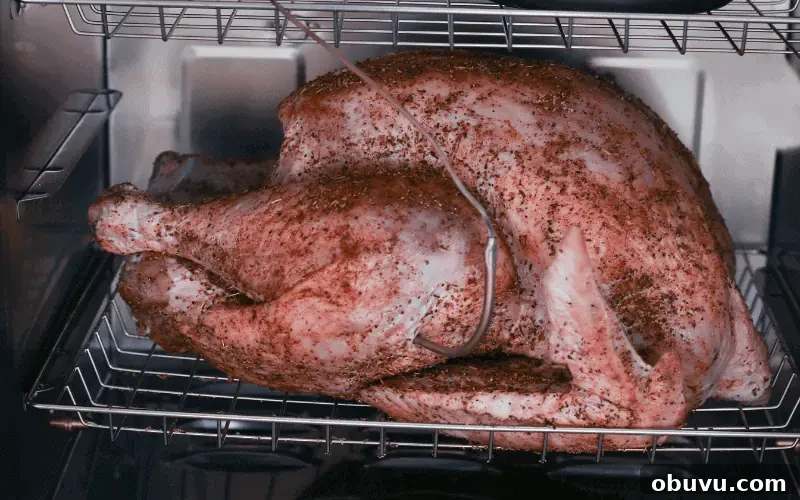
How to Remove the Plastic Thing in a Turkey
Removing the hock lock is easy: use sturdy kitchen shears or scissors and cut through the band. The material can be tough, so apply steady pressure. After handling raw poultry, wash and sanitize the shears and any surfaces they touched.
If a pop-up indicator is firmly seated, you may be able to pull it out once the turkey is thawed. Otherwise, a small knife can help loosen the edges. If you leave these parts in place during cooking, they typically come off easily once the turkey is done; if not, use your scissors after the bird has cooled slightly.
Other Turkey Safety Tips
Because many people roast turkey infrequently, basic safety rules can be easy to forget. Here are essential tips to keep your meal safe and delicious.
1. Cook Your Turkey to 165°F
Turkey should never be served rare. The safe internal temperature for poultry is 165°F in the thickest part of the breast. Use an instant-read thermometer or probe to check the temperature.
2. Refrigerate After You Are Done
After dinner, refrigerate leftovers promptly. Per food-safety guidance, cooked turkey should be refrigerated within two hours of coming out of the oven to prevent bacterial growth.
3. Only Keep Turkey in the Fridge for 3–4 Days
Leftover turkey will stay safe in the refrigerator for three to four days. If you want to keep it longer, store portions in the freezer.
When to Remove Your Turkey From the Oven
Remove the turkey when a probe thermometer reads 160–165°F in the breast, then let the bird rest for 5–10 minutes. During resting the temperature will settle and carryover cooking will finish the bird.
If you prefer the dark meat hotter, you can remove the breast meat once it reaches the target temperature, tent it with foil to keep warm, and continue cooking the legs and thighs to around 175–180°F.
Final Thoughts on What is the Plastic Thing in a Turkey
The plastic band on a turkey’s legs — the hock lock — is primarily there to keep the bird compact during processing and packaging. While many hock locks are oven-safe, removing them generally improves cooking evenness and makes preparation simpler.
Always remove any plastic parts before deep-frying and check the cavity for a plastic-wrapped giblet bag before cooking. Use a reliable thermometer to confirm doneness, refrigerate leftovers promptly, and enjoy a safe, tasty meal.