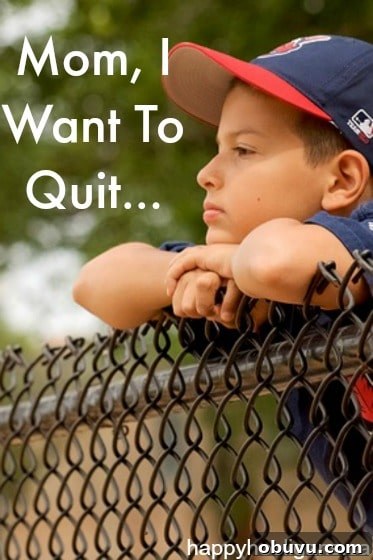
15 important things to consider when your child wants to quit an extracurricular activity.
Almost every parent faces the moment when a child wants to quit an extracurricular activity they initially asked to join. If you haven’t experienced it yet, be prepared — it’s very likely to happen.
Typically it unfolds like this: your child eagerly signs up for a sport, dance class, or club, but after a few weeks or months they realize it’s not what they expected. Or sometimes a child shows talent in an activity but simply doesn’t want to continue into a second season.
As a parent, what should you do when your child wants to quit an activity you paid for and committed to? Should you encourage them to continue in hopes they’ll grow to love it? Should you require them to finish the season? If you let them quit, what lessons about perseverance and commitment might they miss? And what about the financial and time investment — enrollment fees, equipment, and other expenses?
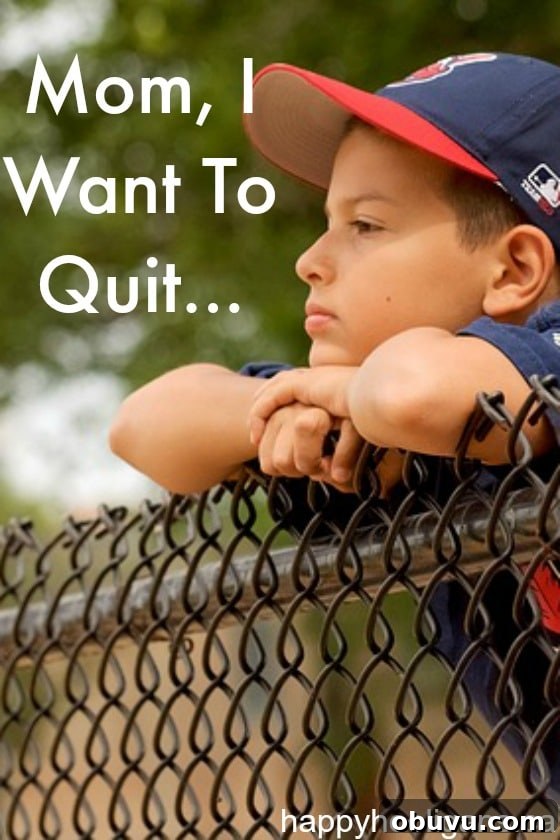
I recently asked an experienced and diverse group of parents in my Facebook community for their advice: What’s the best way to handle it when your child wants to quit an extracurricular activity? Their responses offered thoughtful, practical guidance. Remember: what works for one family may not be right for another. Use these ideas to find a solution that fits your children and your family.

What to Do When Your Child Wants To Quit
- Don’t force a specific activity. Encourage your child to participate in one meaningful activity each year or season. It doesn’t have to be a sport — art, drama, music, or other interests can broaden their horizons and keep them engaged.
- Remind them they asked to start the activity, and that finishing the season helps build responsibility and a sense of accomplishment.
- Avoid living vicariously through your child. Your enthusiasm for an activity doesn’t guarantee they will enjoy it the same way you did.
- Look beneath the surface. Are they anxious about performance, worried about disappointing you, clashing with a coach, or experiencing bullying? Sometimes the reason for wanting to quit has little to do with the activity itself.
- Allow your child to take breaks. At younger ages it’s healthy for them to exercise autonomy over how they spend their time, since there are few other decisions they control.
- If they quit and don’t want another activity, suggest volunteering or other ways to contribute to the community in their free time.
- Listen. Being heard and respected by parents builds self-esteem and often helps more than forcing them to stay.
- If possible, let children try a variety of activities so they can discover what truly interests them. This is easier at younger ages before school and other commitments increase.
- Don’t make an immediate decision if they want to quit mid-season. Ask them to try for two more weeks to see whether they’re in a temporary slump or genuinely unhappy.
- Find a less time-consuming option if scheduling is the issue. A weekly one-hour class may be a better fit than multiple weekly practices and weekend games, allowing time for free play and rest.
- Value passion as well as ability. Being good at something doesn’t always mean a child is passionate about it. Let them judge whether it’s meaningful to them.
- It’s okay to let a child stop an activity they once loved, but consider asking if they’d like to try again next season. Time away can renew interest.
- Keep the emphasis off winning and performance. Pressure to excel can spoil the enjoyment for children who aren’t naturally competitive or fear disappointing adults.
- For older children who earn an allowance, it can be reasonable to ask them to contribute toward the cost if they quit mid-season. A modest share — for example around 10% depending on the family — helps them understand the financial realities.
- Most importantly, trust your child and yourself. Talk openly, listen closely, and you’ll usually be able to tell whether the desire to quit is for the right reasons or simply because they can.
More Solutions to Common Parenting Challenges:
- What to Do When Your Child Isn’t Settling Into Daycare
- When Your Child Can’t Make Friends At School
- When Chore Charts Don’t Work