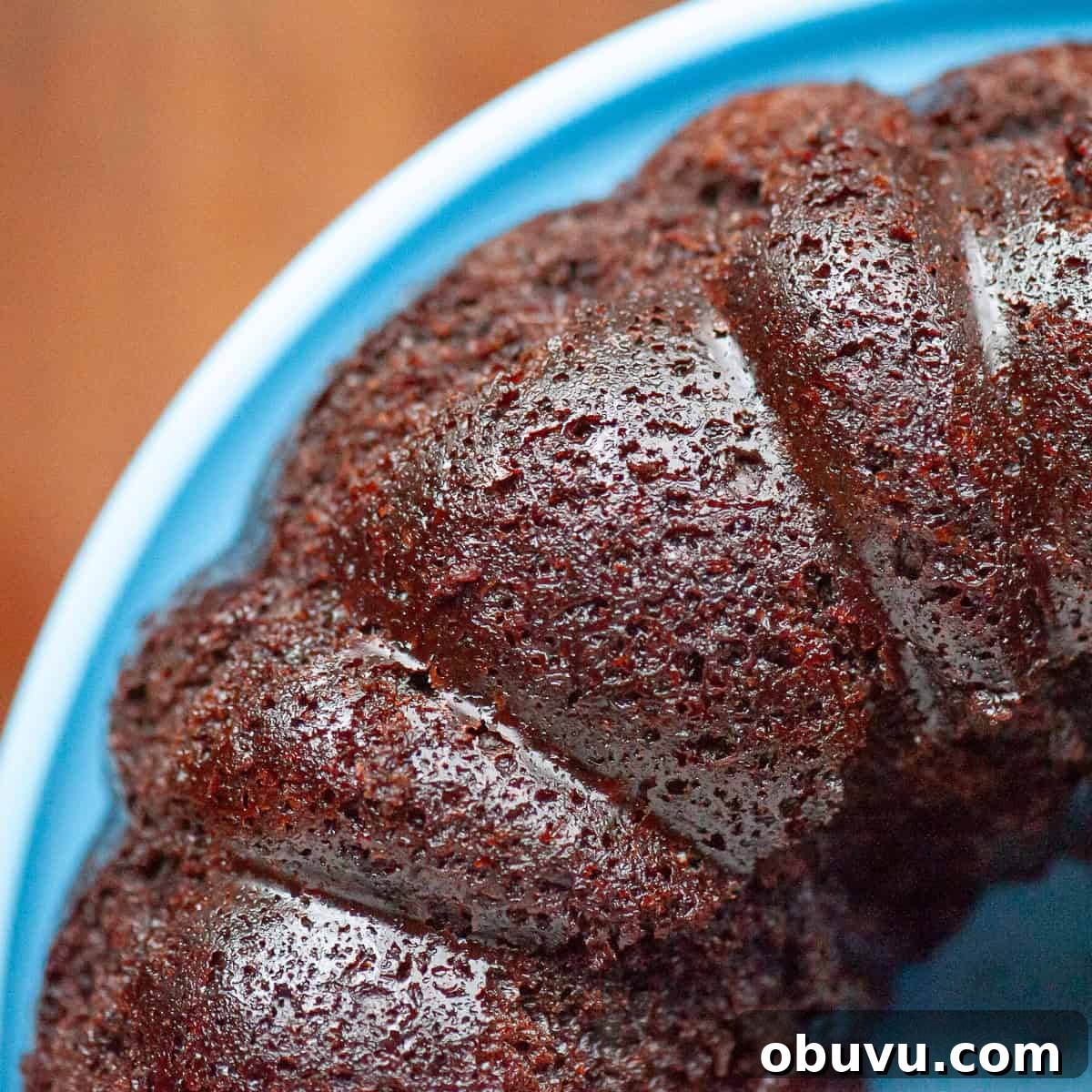
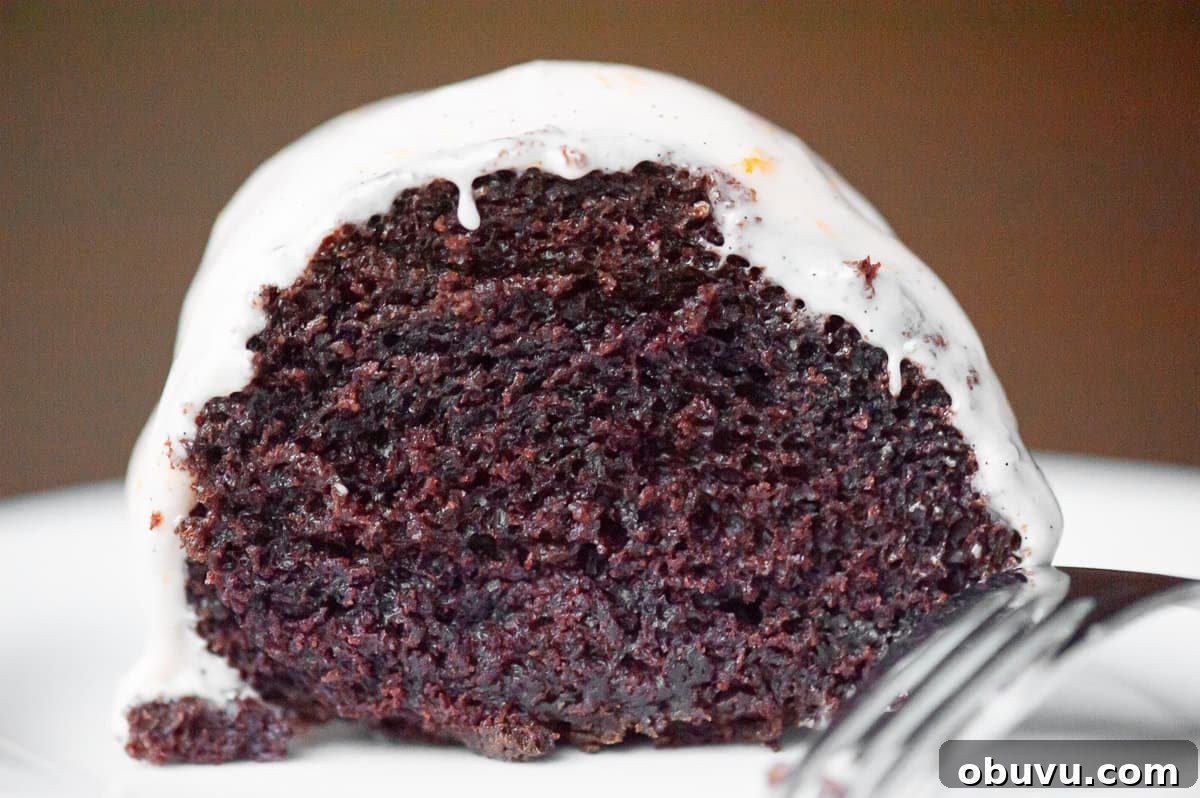
Rich, moist, and intensely chocolatey, this Guinness chocolate cake delivers an indulgent dessert that’s surprisingly simple to make. The stout brings a subtle malty depth that amplifies the cocoa while keeping the crumb soft and tender. If you haven’t baked with stout before, this recipe demonstrates how well it works: the beer’s carbonation helps the cake remain light, and its gentle bitterness balances the sweetness for a more complex chocolate flavor. It’s ideal for St. Patrick’s Day, a special dinner, or any time you want a deeply satisfying chocolate cake.
This recipe was first published in February 2015 and has been updated with clearer directions and helpful tips to make it foolproof in your kitchen.
Why This Recipe Works
This is more than a standard chocolate cake. A few key elements make it stand out:
- Guinness enriches the chocolate – The stout’s dark, malty notes deepen the cocoa flavor and add complexity.
- Sour cream keeps it tender – A touch of sour cream contributes moisture and a delicate crumb that melts on the tongue.
- A straightforward batter – The recipe uses simple steps and common ingredients, so it’s approachable for bakers of all levels.
Exact ingredient quantities and timing are included in the recipe card below so you can scale the recipe and get consistent results.
How to Make Guinness Chocolate Cake
The method is simple and reliable. Here’s the process at a glance:
- Melt butter with Guinness – Warm the stout and butter together, then whisk in cocoa powder, sugar, and vanilla for a smooth, chocolatey base.
- Mix dry ingredients – Combine flour, baking soda, and salt in a separate bowl.
- Bring the batter together – Stir eggs and sour cream into the cooled chocolate mixture, then incorporate it into the dry ingredients in stages for even mixing.
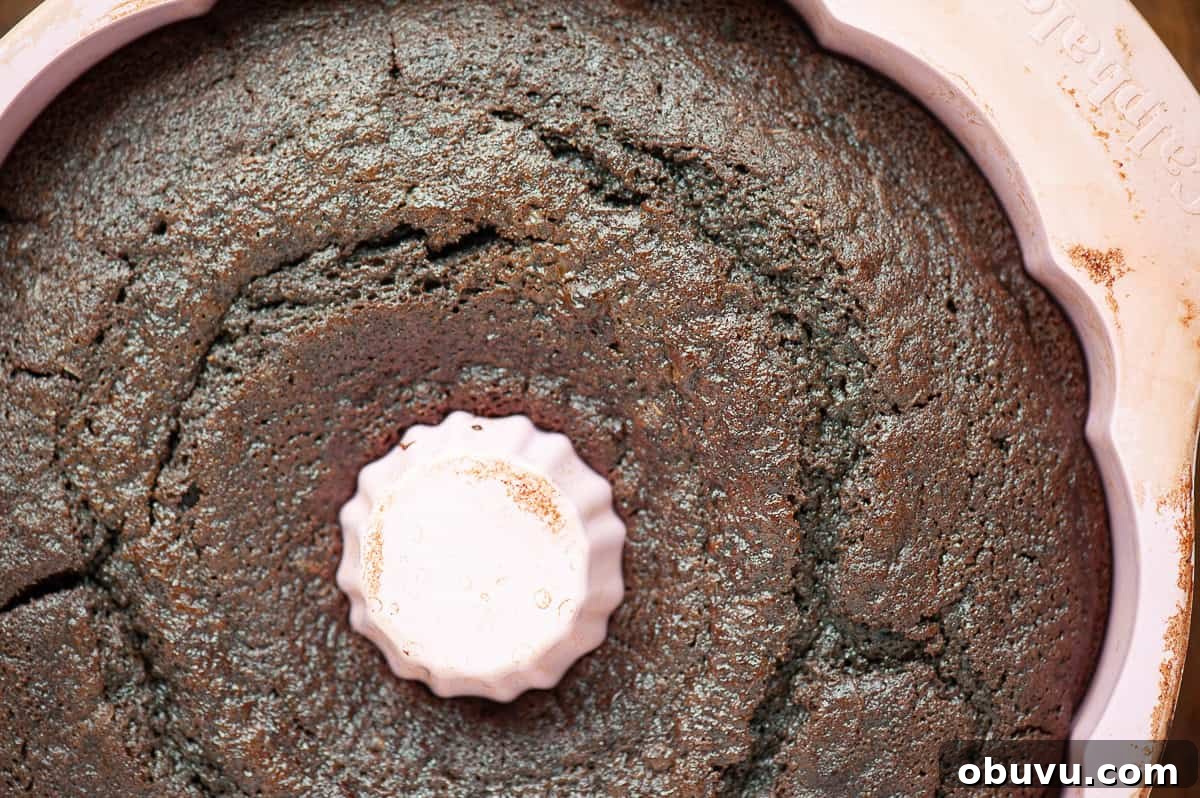
- Bake until done – Pour into a well-greased bundt pan and bake at 350°F (175°C) until a toothpick inserted into the center comes out clean, about 45 minutes.
Tips for the Best Cake
These practical tips make the recipe easier and more consistent:
- Grease the bundt pan thoroughly – Rich cakes can cling to the pan; use butter or a reliable nonstick spray and be generous.
- Cool the chocolate mixture a bit – If it’s too hot when you add the eggs, it can cause curdling. Let it come down to warm, not piping hot.
- Choose good cocoa – Higher-quality cocoa yields a deeper chocolate character. Use the best cocoa you can access.
Frosting & Topping Ideas
The cake is delicious on its own, but these toppings pair especially well:
- Cream cheese frosting – A tangy, thick frosting that complements the dark chocolate.
- Mascarpone frosting – Lighter and less sweet, a refined option for those who prefer subtle sweetness.
- Chocolate fudge frosting – For maximum chocolate intensity, add a dense chocolate frosting.
- Warm Guinness chocolate sauce – Serve the cake a la mode with vanilla ice cream and a drizzle of warm stout-infused chocolate sauce.
When to Serve This Cake
This Guinness chocolate cake suits many occasions:
- St. Patrick’s Day – The Guinness connection makes this a natural choice for Irish-inspired celebrations.
- Dinner parties – It’s simple to prepare yet impressive on the plate, and guests often enjoy the surprise of a stout-flavored dessert.
- Any chocolate craving – When you want a rich, moist chocolate cake, this recipe delivers.
How to Store & Freeze
Leftovers keep well when stored correctly:
- Room temperature – Store in an airtight container for up to 3 days if unfrosted.
- Refrigerate – If the cake is frosted, keep it in the fridge for up to 5 days.
- Freeze for later – Wrap individual slices tightly in plastic wrap and freeze for up to 3 months. Thaw in the refrigerator or at room temperature before serving.
If you try this recipe, please leave a comment and share how it turned out!
Guinness Chocolate Cake
Ingredients
- 1 cup stout beer (Guinness recommended)
- 1 cup unsalted butter
- 3/4 cup unsweetened cocoa powder
- 2 cups granulated sugar
- 1 vanilla bean, split
- 2 cups all-purpose flour
- 2 teaspoons baking soda
- 1/2 teaspoon salt
- 2 large eggs, slightly beaten
- 3/4 cup sour cream
Instructions
- Preheat the oven to 350°F (175°C). Heavily grease a bundt pan.
- In a medium pot over medium heat, melt 1 cup unsalted butter with 1 cup stout beer. Once melted, remove from heat and whisk in 3/4 cup unsweetened cocoa powder, 2 cups granulated sugar, and the split vanilla bean. Allow the mixture to cool slightly. When cool enough to handle, scrape the vanilla seeds into the mixture and discard the pod.
- In a separate bowl, whisk together 2 cups all-purpose flour, 2 teaspoons baking soda, and 1/2 teaspoon salt.
- Stir 2 large eggs and 3/4 cup sour cream into the cooled chocolate mixture until combined.
- Add about one-third of the chocolate liquid to the flour mixture and beat on high until light and fluffy, about 1 minute. Add the remaining wet mixture and beat on low until combined, scraping the bowl as needed.
- Pour batter into the prepared bundt pan and bake in the preheated oven until a toothpick inserted into the center comes out clean, about 45 minutes.
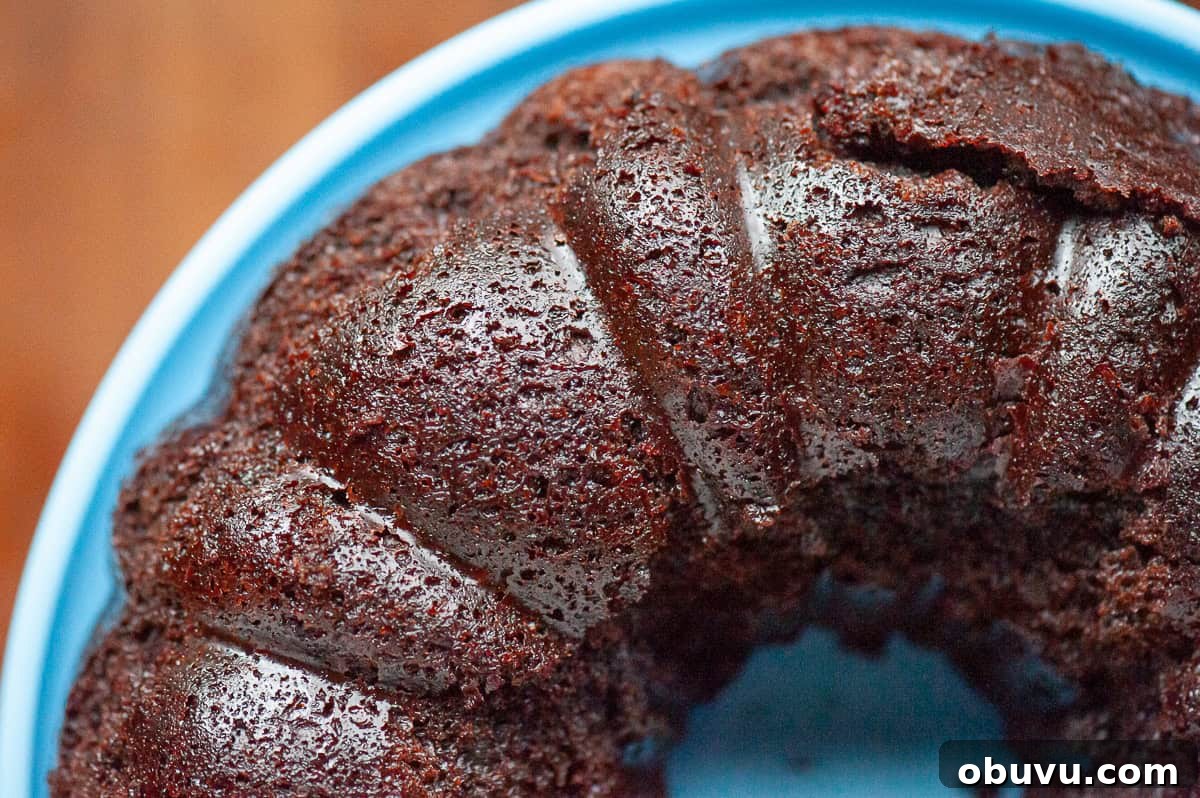
- Allow the cake to cool in the pan for at least 5 minutes, then carefully loosen the edges and invert onto a plate. Serve plain or top with your preferred frosting.
Notes
- Gently loosen the cake from the pan edges before inverting; a knife can help separate stuck spots.
- If you don’t have a vanilla bean, substitute 1 tablespoon pure vanilla extract.
- Nutritional info covers the cake only and does not include any frosting.
Nutrition
Nutrition information is an approximation.
Blood Orange Frosting
Ingredients
- 6 ounces cream cheese, room temperature
- 8 tablespoons unsalted butter, room temperature, cut into pieces
- 1/2 cup fresh orange juice (about 2 oranges)
- 2 vanilla beans, scraped
- 2 teaspoons finely grated orange zest
- 3 cups confectioners’ sugar
Instructions
- In a stand mixer fitted with the paddle, beat the cream cheese and butter until completely smooth.
- Add the orange juice, vanilla bean seeds, and orange zest; blend until smooth.
- Add the confectioners’ sugar one cup at a time, mixing until the frosting is smooth and creamy.
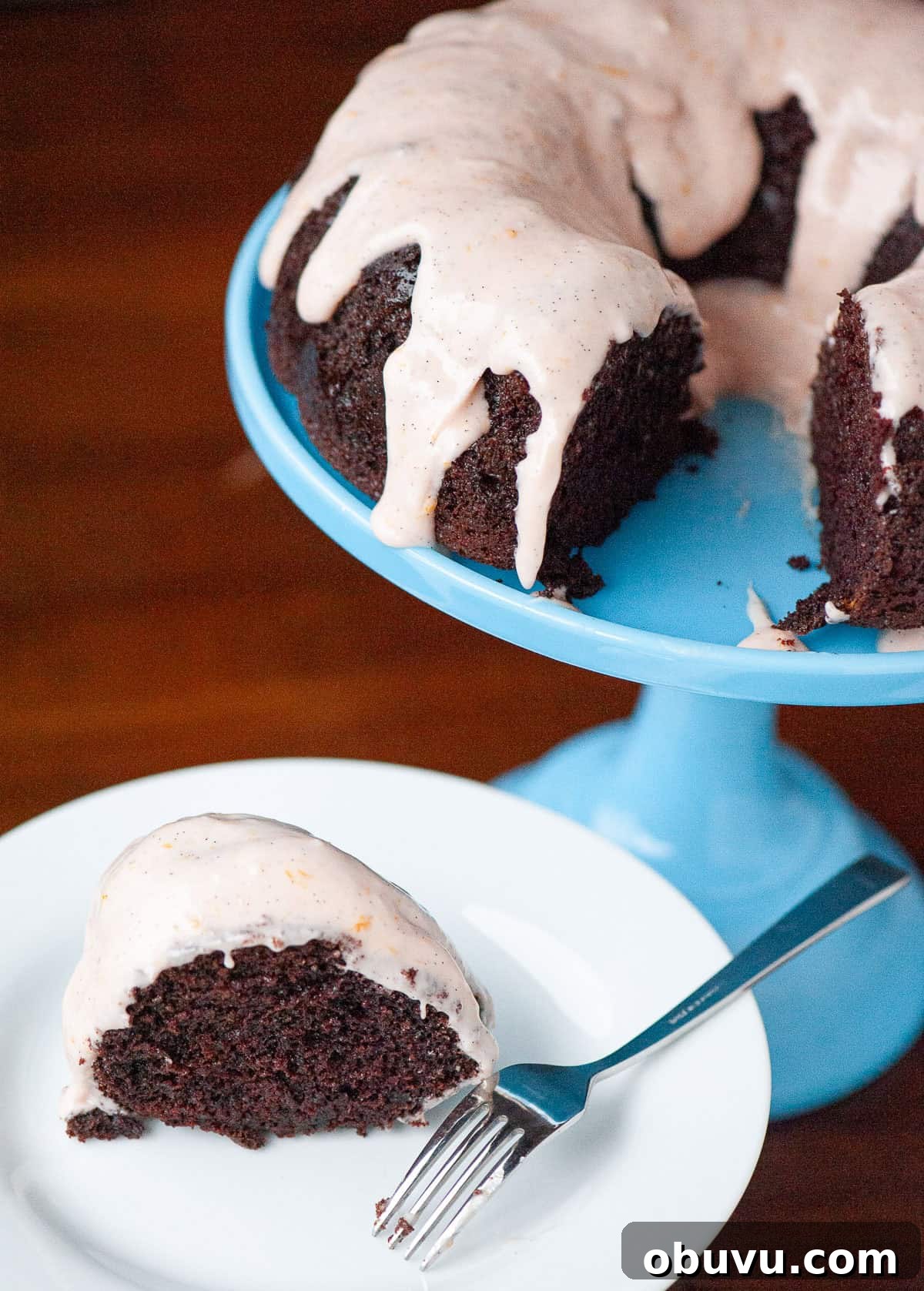
- The finished frosting should be thicker than a glaze but thinner than a traditional buttercream—ideal for spreading or drizzling over the cake.
Nutrition information is approximate.