Packing lunches is a daily part of the school year routine. I remember feeling especially stressed the first few mornings after my daughter started school, so over the past couple of years I developed practical lunch-packing strategies that make back-to-school mornings easier and reduce stress for busy parents.
Lunch Box Packing Tip #1: Recipe Test
There’s nothing more frustrating than opening a returned lunchbox to find most of the meal untouched. To avoid wasted food and unhappy kids, spend a couple of weeks before school starts — and a few weekends during the year — testing lunch ideas. Children’s tastes change frequently, so trying out options at home tells you which meals they’ll actually eat at school. Use these tests to refine portion sizes, flavor, and presentation so lunches are both appealing and nutritious.
Lunch Box Packing Tip #2: Presentation is Everything
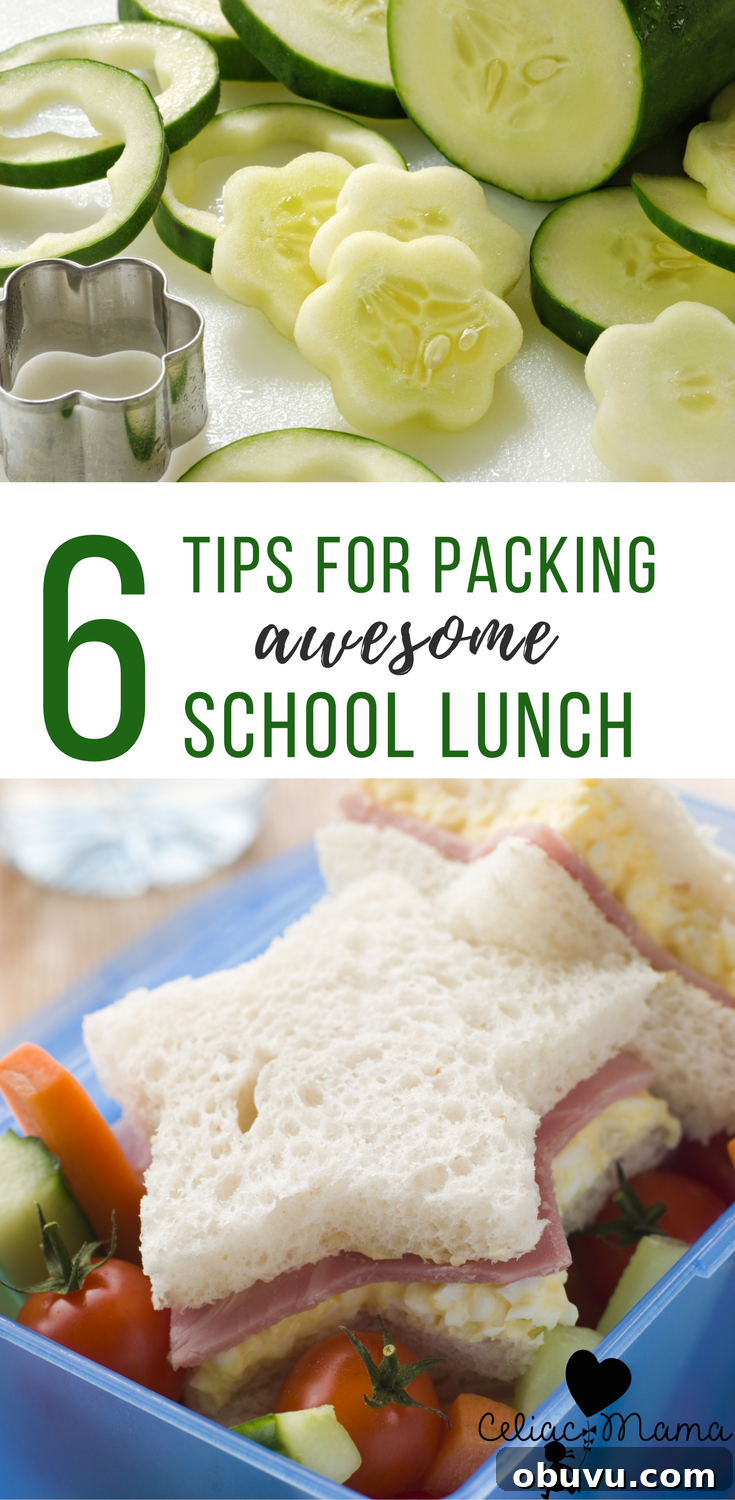
Presentation matters a lot, especially with toddlers and picky eaters. Cutting fruits, vegetables, and sandwiches into fun shapes can make them more appealing and encourage kids to try foods they might usually avoid. Consider investing in a few simple tools like small cutters for fruits, vegetables, and sandwiches — the extra effort often pays off when they come home with emptied containers.
Lunch Box Packing Tip #3: Test the Lunchbox Containers
Leak-proof containers are great, but if a child can’t open them independently they become impractical at school. Before the year starts, check that your child can easily open their containers and close them securely. Bento-style boxes with a single, easy-to-use latch are a good option: they reduce spills while allowing kids to access all their food without help from teachers. This is especially useful for preschool and elementary-aged children.

Lunch Box Packing Tip #4: Don’t Be Afraid to Pack a Hot Lunch
Leftovers are one of my favorite lunch solutions. They save time, extend the value of a single meal, and often become a reliable lunch that my child already likes. Hot lunches are also perfectly viable if you use a good thermos and pre-heat it first: pour boiling water into the empty thermos, close it for 5–7 minutes, heat the food until it’s hotter than you’d normally serve, discard the water, then fill the thermos and seal it. This keeps food warm longer and makes thermos lunches more successful.
Lunch Box Packing Tip #5: Mix It Up!
Lunch doesn’t have to be the same sandwich every day. Varying proteins, grains, and vegetables keeps meals interesting and helps cover different nutrient needs. Try plant-based options, leftovers from dinner, savory muffins, mini frittatas, wraps, pasta salads, or pancakes. Offering a variety of textures and flavors makes lunchtime more exciting and increases the chance your child will eat well.
Lunch Box Packing Tip #6: Plan Ahead
Planning ahead is the biggest time-saver. Deciding what to pack in the morning can be the most stressful part of the routine. Instead, make a weekly lunch list or a full meal plan for breakfasts, lunches, and dinners. That way you know what ingredients you need, streamline grocery shopping, and avoid last-minute scrambling. Preparing some components in advance — chopping vegetables, cooking grains, or portioning snacks — also shortens morning prep time.
These six tips—testing recipes, focusing on presentation, checking containers, embracing hot lunches, mixing options, and planning ahead—can make packing lunches faster and more effective. With a little preparation and variety, you’ll reduce morning stress and help your child enjoy satisfying, nutritious lunches every school day.