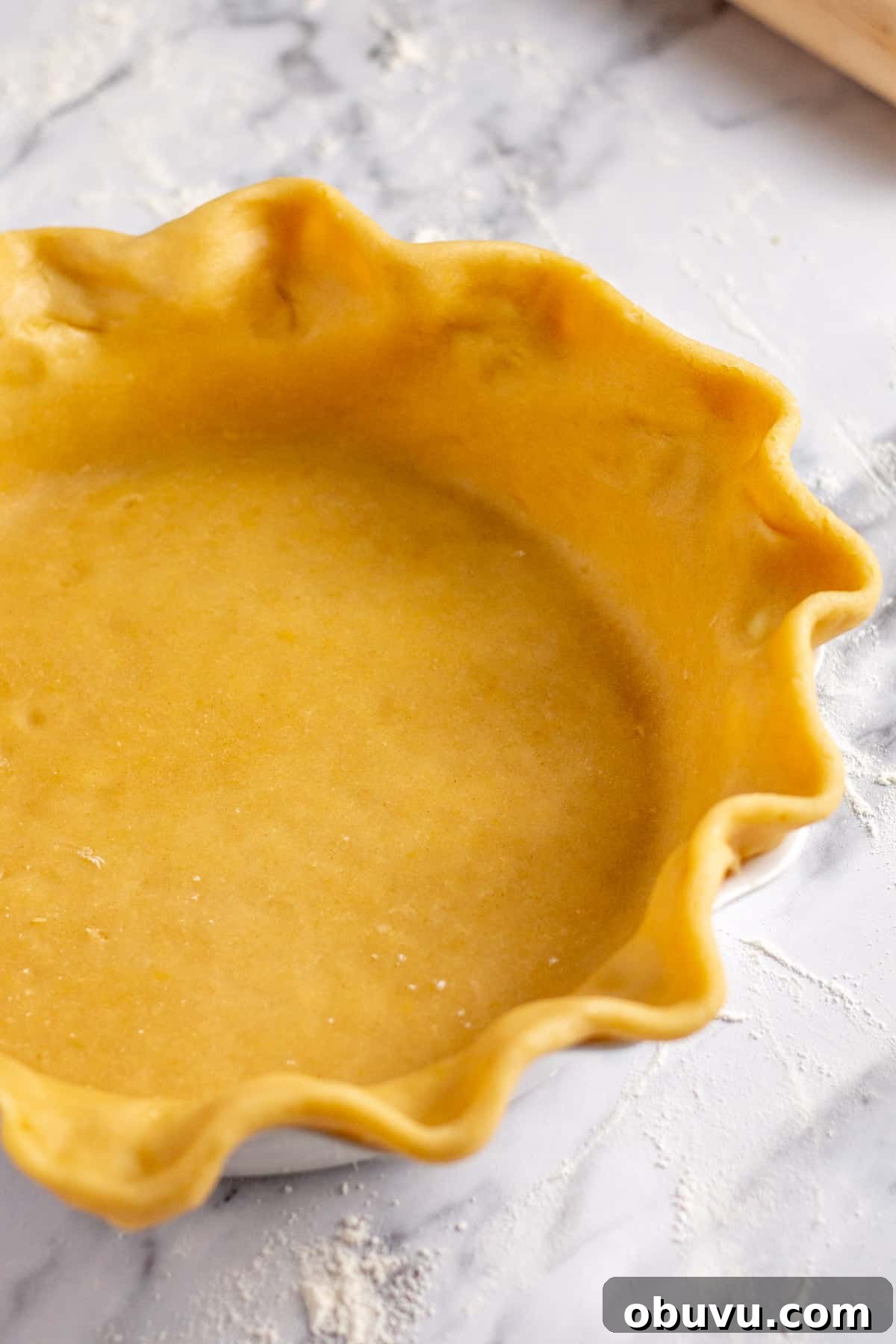
After years of making pies from scratch, I’ve perfected how to make a perfect pie crust. Below are my best tips for creating a buttery, flaky crust that will hold up to all your favorite fillings.
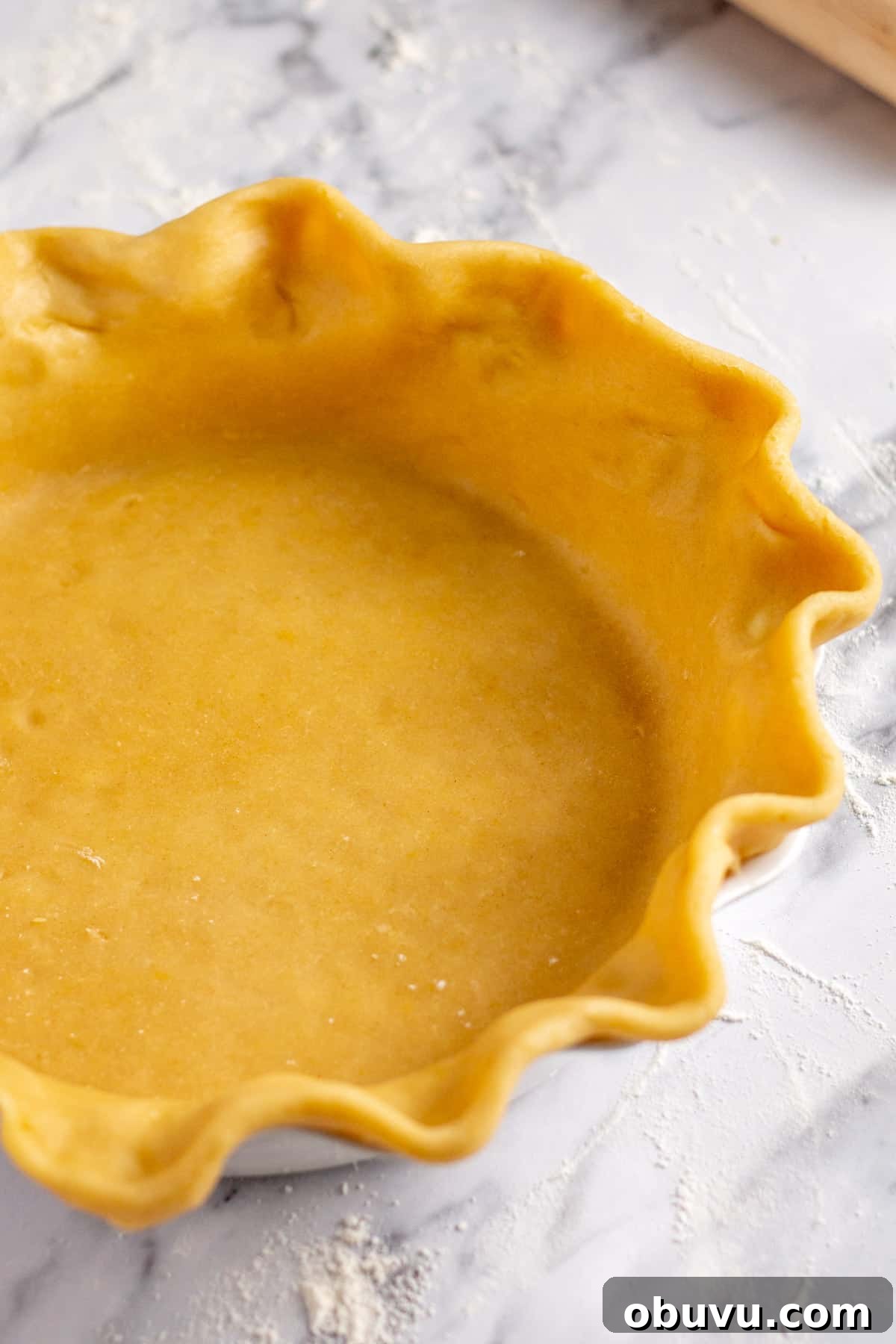
Tried-and-True Tips for a Perfectly Flaky Pie Crust
The tricks to a perfect pie crust aren’t complicated, but many beginning bakers miss a few key steps that make all the difference. Consider this a practical guide to achieving a crust that’s as memorable as the filling—and won’t end up in the trash after dessert.
1. Use Cold Ingredients
Cold butter is the single most important ingredient for a flaky, tender crust. When the butter stays in small, cold pieces, it creates pockets of steam as it melts in the oven, producing flaky layers. Chill not only the butter, but your flour, water, and even the mixing bowl if you can—cold ingredients help keep the dough from warming up too quickly.
2. Butter vs. Shortening vs. Both
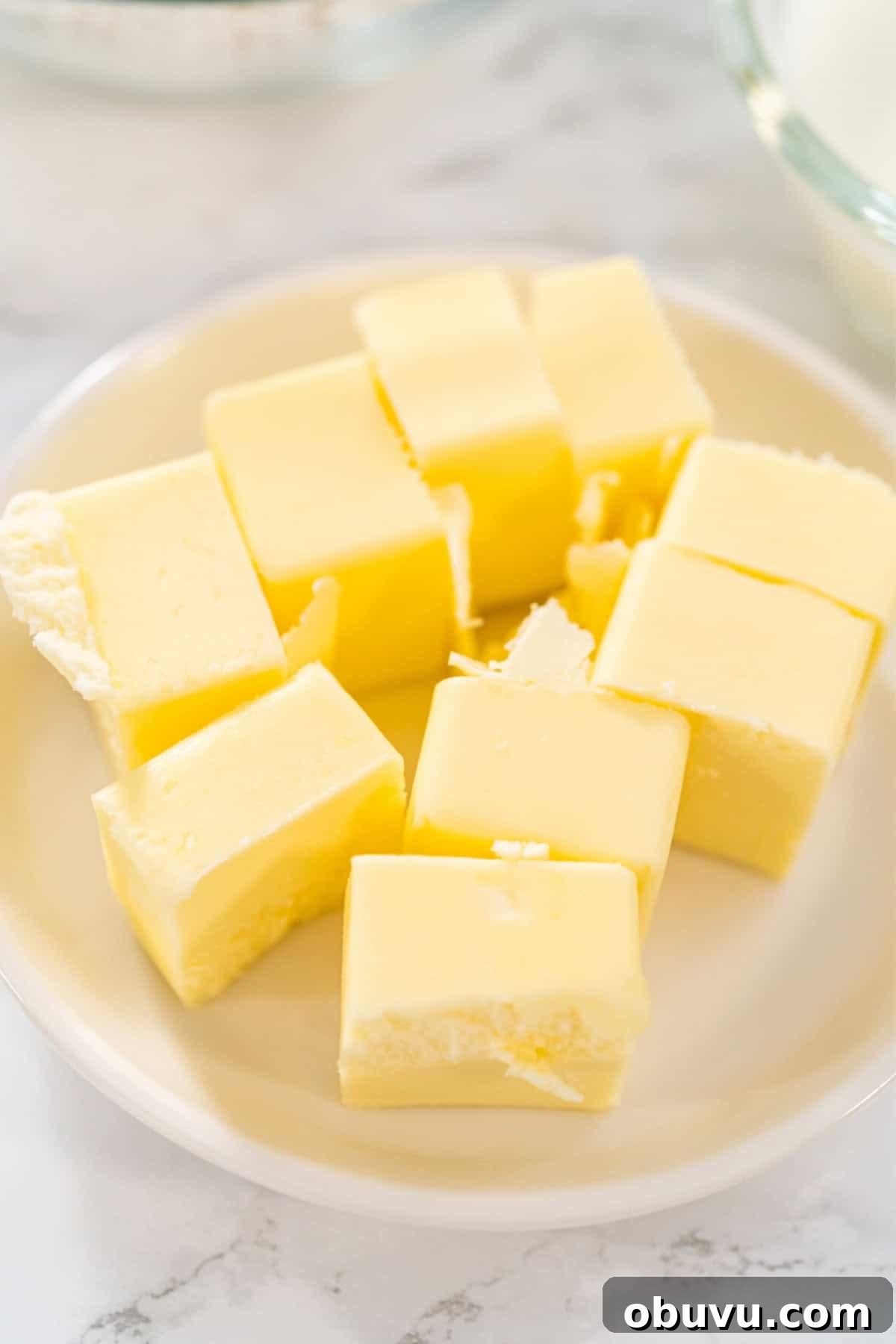
The butter versus shortening debate will never be fully settled. In short:
- Butter = Best flavor and strong flakiness
- Shortening = Extra tenderness and stable structure
- Both = A balanced hybrid of flakiness and tenderness
If you prefer one fat, choose butter for flavor. Combining both can give you great texture and taste if you want to experiment.
3. Don’t Overmix the Dough
Pie crust should be tender, not chewy. Overmixing develops gluten, which leads to toughness. Stop mixing when the dough forms shaggy clumps and the fat is distributed in small pieces. Gather the dough gently into a disk, wrap it, and chill.
4. Rest the Pie Dough in the Fridge
Let the dough rest in the refrigerator for at least one hour after mixing. Chilling firms the butter and relaxes the gluten, making the dough easier to roll and less likely to shrink during baking. Proper resting helps ensure a flakier finished crust and better shape retention.
5. Roll Like a Pro
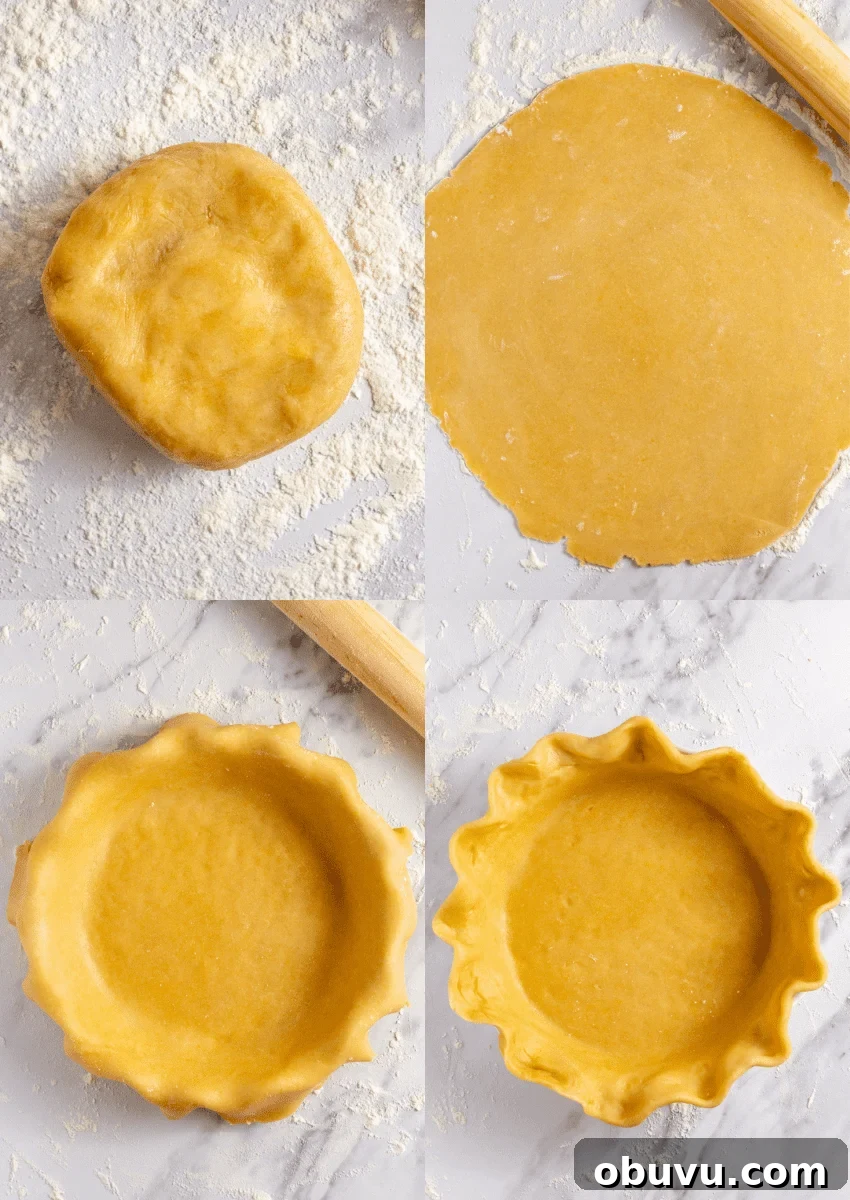
Roll from the center outward, rotating the dough every few rolls to maintain a circular shape and even thickness. If the dough cracks, press it back together gently—small repairs won’t ruin the crust and a slightly rustic edge is perfectly fine.
6. Don’t Skip the Second Chill
Once your crust is fitted in the pan, chill it again for 15–30 minutes before baking. This firms the butter and helps the crust keep its shape when it hits the oven. While chilling, preheat the oven so everything is ready to bake.
7. Blind Bake the Pie Crust With Weights
Blind baking is essential for pies with no-bake fillings or very wet fillings to prevent a soggy bottom. Line the unbaked crust with parchment or foil and fill it with pie weights, dried beans, or rice to keep the crust from puffing and shrinking. Remove the weights for the final few minutes if the recipe calls for finishing the crust alone.
8. Egg Wash Your Pie Crust
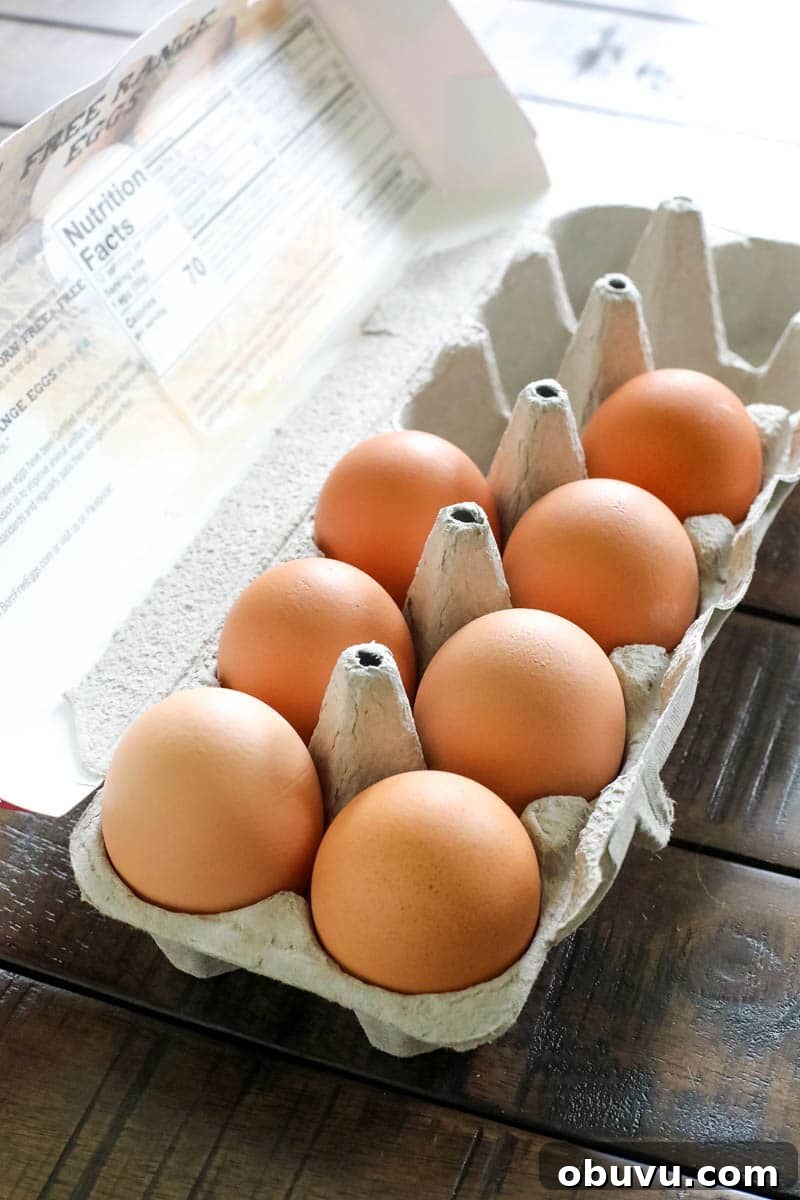
An egg wash creates a glossy, golden finish like a bakery crust. Beat one egg with a splash of milk or cream and a pinch of salt, then brush it lightly over the crust before baking. Egg wash also adds a thin protective layer that helps prevent sogginess under juicy fillings such as fruit pies.
9. Use the Right Pie Dish
Your pie dish affects baking results:
- Glass lets you see the bottom to judge doneness.
- Metal heats quickly and gives a crisper bottom crust.
- Ceramic offers even heat and attractive presentation but may take longer to heat.
I favor ceramic for even baking and a beautiful presentation. Avoid nonstick pans when possible, since they can hinder browning and leave the crust pale.
10. Crimp the Top of the Pie Crust
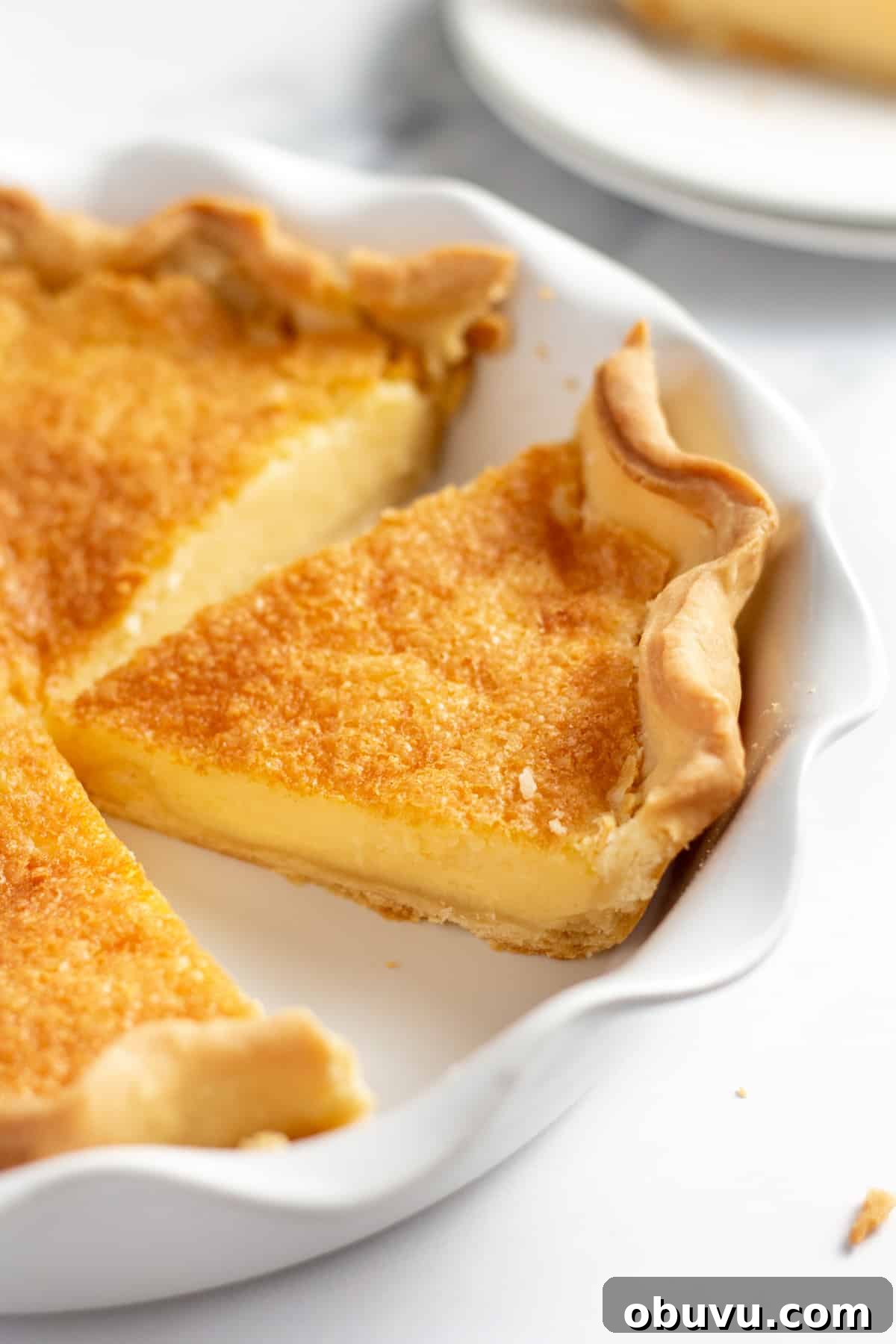
Crimping seals the filling and gives the pie a finished, homemade look. Use your fingers, a fork, or a spoon edge to flute the rim. Press the top edge between your thumb and two fingers for a classic, polished finish.
Making a Perfect Pie Crust: Your Big Takeaways
In summary, follow these essentials for reliably excellent results:
- Cold Ingredients = Flaky crust
- Don’t Overmix = Tender texture
- Chill, Then Chill Again = Better structure and less shrinkage
- Blind Bake = No soggy bottoms for wet or no-bake fillings
- Egg Wash = A golden, glossy finish
Now you’ve got the tools and techniques to make a pie crust people will rave about. Head to the kitchen, follow these steps, and enjoy a beautifully flaky, buttery pie that holds up to any filling.